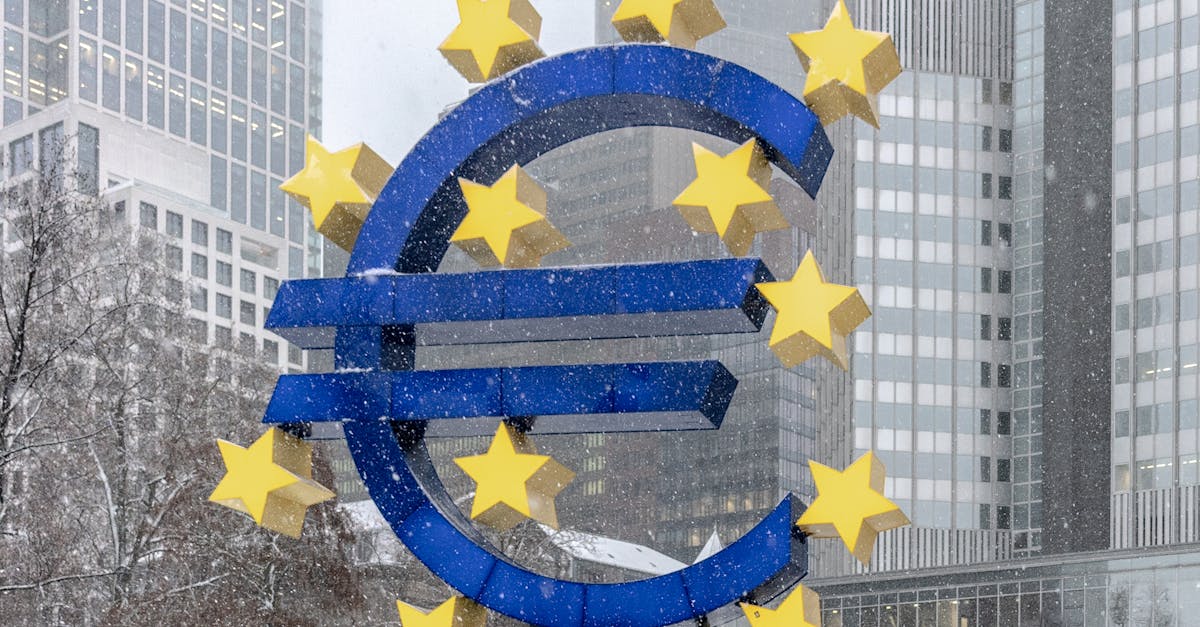
A Steady Climb to 3.64%
The Federal Reserve has set the benchmark interest rate at 3.64%, a significant juncture in an era defined by an aggressive tightening policy aimed at taming inflation. This figure, while just a fraction of what several countries are experiencing, marks a pivotal shift in response to ongoing inflationary pressures in the U.S. economy.
Pacing with Global Counterparts
In comparison, other major economies are adopting varied strategies to combat price surges. For instance, the European Central Bank maintained rates at 4.00%, and the Bank of England has set its own benchmark even higher at 4.25%. The Fed’s rate, albeit lower than these counterparts, exhibits a robust intention to balance economic growth with the vital necessity of controlling inflation.
The Fed’s current rate stands in stark contrast to the backdrop of January 2022 when rates hovered at a historic low of 0-0.25%. The leap to 3.64% signifies not just a policy shift but an urgent response to inflation that reached around 6.5% in late 2022, according to the Bureau of Labor Statistics.
An Unprecedented Response to Inflation
Inflation did dial down to approximately 3.0% by July 2023, yet the central bank’s ongoing tightening indicates a commitment to securing this progress. The Fed’s approach, which has included six consecutive rate hikes, mirrors responses from central banks worldwide trying to manage inflation that, on average, remains high in developed markets. With consumer behavior increasingly influenced by these rate adjustments, the crux of monetary policy is not merely about numbers; it’s about real-world implications for mortgage rates, credit, and business investments.
The Impact on Small Businesses and Households
Interest rate adjustments are felt acutely at the local level. Small businesses, crucial components of the economy, face higher borrowing costs that could stymie investment and creativity at a time when innovation is vital for maintaining competitive advantages. Higher credit costs could also dampen consumer spending; households are now more wary of taking on debt amid increasing rates. As new home mortgage applications decline—off by over 30% from a year ago—one can observe a clear correlation between Fed policies and the housing market’s cooling.
The Fed’s Balancing Act
The balancing act for the Federal Reserve is increasingly complex. Staving off recession while combating ongoing global supply chain disruptions requires a careful game of chess, with every move scrutinized by economists and market players alike. The decision to push rates higher is motivated by necessity rather than merely ambition; a strong consumer dollar could easily tip into a contraction if left unchecked, putting immense pressure on job growth.
Future Calculations on Rate Changes
As we look forward, the question looms: how far can the Fed push rates without threatening economic stability? Markets are beginning to price in possible fluctuations in the coming months, with futures indicating a potential easing by the latter part of 2024 if inflation meets expected targets. Yet, the central bank remains clear: it will continue adjusting rates based on incoming data, underscoring a vigilant watch on economic signals.
Charting a Course in Uncertainty
Hiking rates is a double-edged sword; while it aims to slow unsustainable growth, the ripple effects are profound. The diverse reactions from global peers suggest a tightrope walk ahead for U.S. policymakers, as they must steer the ship through turbulent waters. With inflation expectations just beginning to stabilize, the path forward may be just as murky as it has been in the past. As such, every economic indicator will need scrutinizing to ensure the Fed’s next moves will not preside over a cooling economy when vigor is essential.