A Benchmark Rate on the Rise
As of April 1, the Federal Reserve has set the central bank interest rate at 3.64%, a figure that underscores the tightening grip of monetary policy. This represents a crucial pivot in a landscape that not long ago flirted with the lower bounds of zero. In a world grappling with inflation, the Fed’s latest decision spotlights a commitment to tempering economic growth in a bid to stabilize prices.
A Comparative Perspective
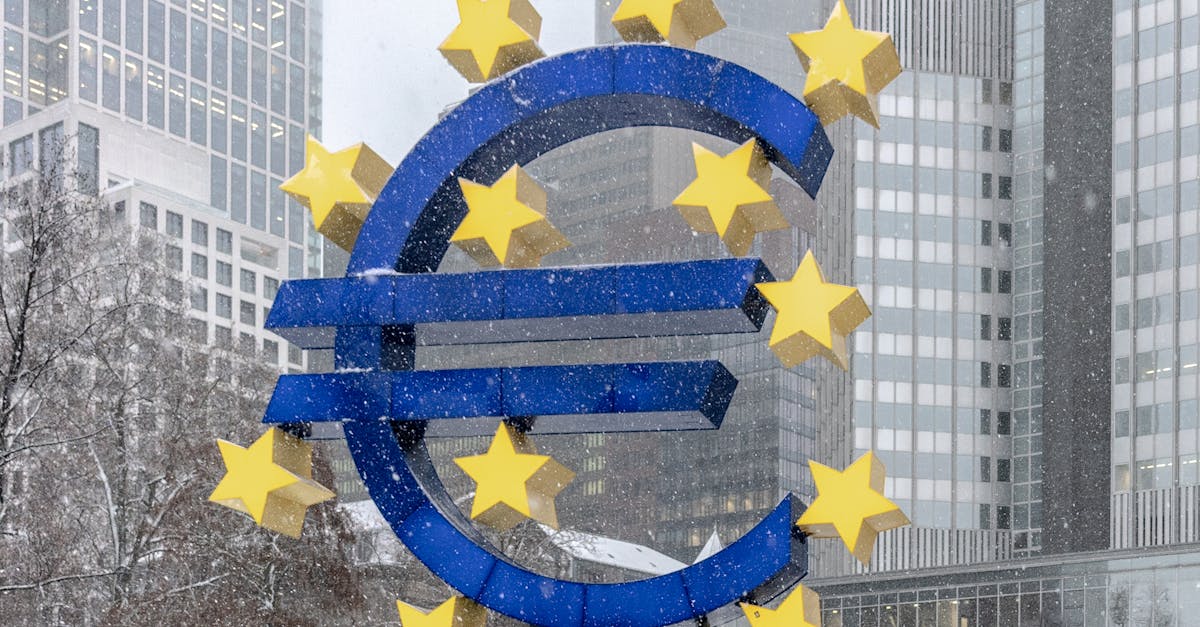
Internationally, the Fed’s 3.64% rate finds itself in a complex web of economic strategies. The European Central Bank hiked its main rates to 3.00%, while Japan clings to its longstanding commitment to ultra-low rates with a nominal interest rate of -0.1%. This divergence reflects distinct challenges: Europe grapples with inflation amid energy crises, while Japan’s struggle is rooted in decades of deflationary stagnation. Compared to last year, when the Fed’s rate was at a meager 0.75% post-pandemic, this year’s leap signals a serious shift in policy—a necessary action against a backdrop where inflation consistently outstrips wage growth.
The Inflation Dance
Recent data from the Bureau of Labor Statistics illustrates a persistent inflationary environment, with the Consumer Price Index (CPI) reflecting an annual increase of approximately 5.4%. Confronted by this scenario, the Fed’s elevated rate aims to subtract fuel from runaway pricing pressures while navigating the delicate balance between curtailing inflation and sustaining employment rates, which hovered around 4%. As borrowing costs escalate, the challenge for the central bank intensifies—the goal is not merely rate increases, but effective management of economic growth.
Housing Market Ripples
The consequences of these interest rate adjustments ripple through the housing market. Mortgage rates have surged, currently sitting around 7.2%, effectively slowing home sales due to the increased cost of borrowing. This scenario, once expected to deter homebuyers, is morphing into a protracted market correction as demand wanes. According to the National Association of Realtors, existing home sales decreased 5.4% last year, while pending home sales stand at a staggering 7% lower compared to last year. Higher interest rates are inhibiting affordability, thus indirectly reinforcing the Fed’s strategy of cooling inflation in a critical sector.
A Global Economic Chessboard
The interplay of U.S. interest rates has consequences beyond domestic borders. Nations with dollar-pegged currencies are under pressure from the Fed’s decisions, as rising U.S. rates mean capital flows might favor dollar-denominated assets. Emerging markets, keenly sensitive to shifts in interest rates, face repercussions in terms of capital outflows and currency depreciation. The strain on these economies can lead to broader implications for global trade and investment—especially as many rely on financing in U.S. dollars.
Aspirations Amid Uncertainty
While the Fed maintains its inflation-fighting narrative, the path forward remains laden with uncertainty. Economists continue to debate the sustainability of growth amidst rising costs and labor market changes. As inflation adjusts to the stringent monetary policies, businesses and consumers alike will navigate this recalibrated economic landscape, looking toward further Fed actions.
The central bank’s interest rate strategies are more than mere numbers; they tell a story of prioritizing economic health over complacency. Decisions made today resonate through the corridors of time, shaping the future of the economy in unimaginable ways.