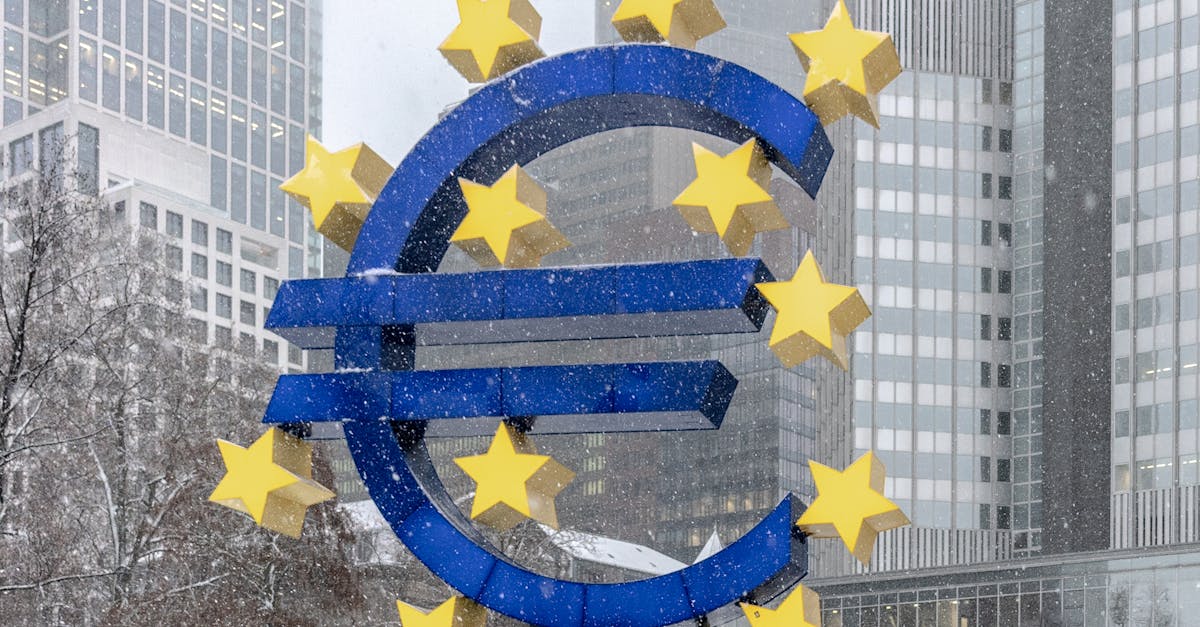
The Crucible of Interest Rates: A New Benchmark Emerges
With the Federal Reserve setting the central bank interest rate at 3.64%, financial markets find themselves at a pivotal juncture. This figure marks a significant shift from the near-zero rates that characterized the pandemic era, ushering in an era of recalibrated monetary policy aimed at combating inflation.
Contextualizing the Shift in Numbers
To appreciate the gravity of 3.64%, consider the global landscape. As of early April, comparable rates from major economies reveal the U.S. taking a relatively moderate stance. The European Central Bank’s key interest rate sits at 3.0%, while the Bank of England has pushed its rate to 4.5%. By contrast, during the same period last year, the U.S. Fed’s rate languished at a mere 0.25%, highlighting a steep climb in just twelve months. This rapid increase is a clear signal of the Fed’s responsiveness to persistent inflationary pressures, with year-over-year inflation hovering around 5.1% as of the latest report from the Bureau of Labor Statistics.
The Ripple Effects on the Economy
The implications of this 3.64% rate are multi-faceted. For consumers, a rise in borrowing costs is almost immediate. Mortgage rates have surged, with the average 30-year fixed-rate mortgage hovering around 7.1%, significantly up from last year’s low of approximately 3.5%. As home affordability wanes, potential buyers face tougher decisions. Additionally, the cost of credit card borrowing is expected to rise, nudging household budgets into tighter corners.
Businesses are also feeling the pressure. The cost of financing projects has escalated, compelling many to reassess expansion plans. Looking at small businesses, the National Federation of Independent Business reported a decline in confidence, echoing concerns about affordability and liquidity in the face of higher interest rates. Specifically, only 17% of small businesses reported plans to increase capital outlays, down from 24% last year.
A Global Perspective on Policy Responses
The Fed is not operating in a vacuum. Countries worldwide are grappling with similar inflationary threats, and increased interest rates have become a common remedy. For instance, Canada’s rate, currently at 4.5%, demonstrates its commitment to reining in price growth. The Bank of Japan remains a notable outlier, steadfast with a negative rate policy, illustrating the diverse strategies central banks deploy. This disparity underlines both the challenges and opportunities facing the U.S. economy in a global marketplace.
A Rewarding Yet Uncertain Path
As the Federal Reserve navigates this new monetary environment, the prospect of future interest rate adjustments looms large. Many economists speculate about whether 3.64% is the peak or merely a stepping stone toward higher rates. Market expectations suggest a likelihood of further tightening, with futures indicating a rise to 4% by the close of the year.
Central banks are walking a tightrope: there’s the need to curb inflation while not squashing economic growth. The interplay of these pressures culminates in a volatility that makes economic forecasting an intricate endeavor.
A Mindful Strategy for a Complex Economy
Businesses and consumers alike are now faced with a landscape sculpted by rising interest rates. For homeowners, consumers, and investors, adapting strategies will be paramount in mitigating the effects of this new financial reality.
As the Fed grapples with its objectives, one question lingers in the air: how will the economy adjust to this recalibrated monetary regime? Navigating these waters requires both caution and creativity, as tomorrow’s economic landscape remains as unpredictable as ever.