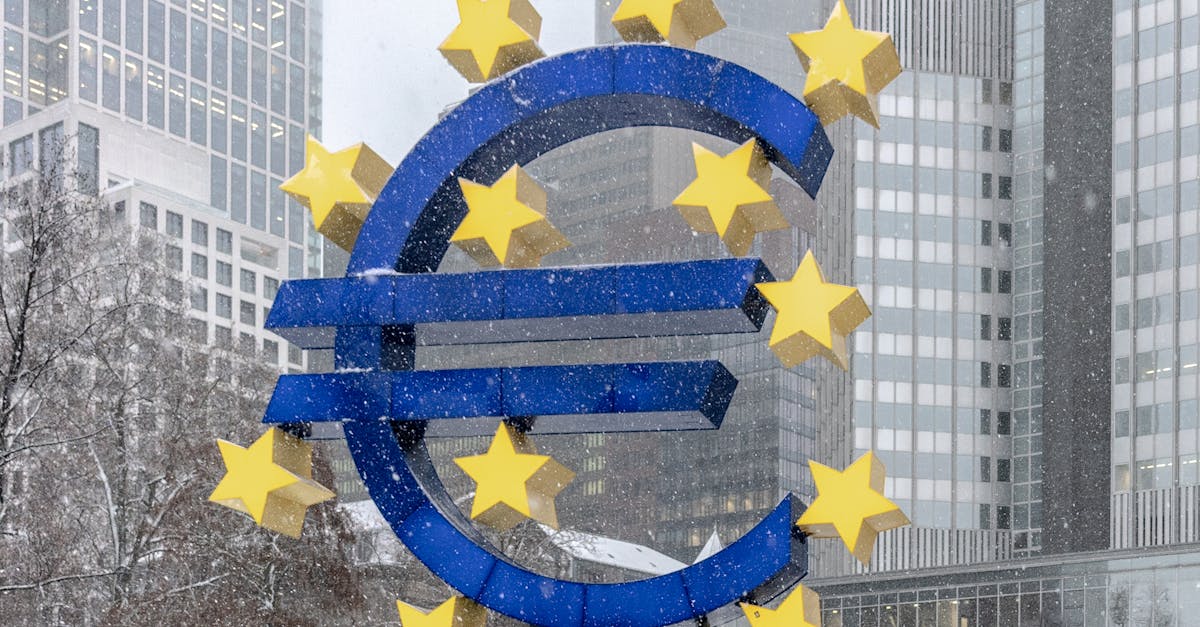
The Rate that Shapes the Economy
The U.S. central bank has set its interest rate at 3.64%, a crucial pivot point that sends ripples through financial markets, consumer spending, and investment strategies. This rate represents a tightening of monetary policy as inflationary pressures persist, leading to increased costs of borrowing across sectors.
Context Among Global Peers
To appreciate the significance of this figure, one must compare it to global counterparts. The European Central Bank recently held its rate at 3.00%, while the Bank of Japan continues its ultra-loose monetary stance with rates at a staggering -0.10%. This discrepancy underscores a stark divergence in monetary policy, particularly as the U.S. grapples with inflation hitting 6.2% year-over-year in Q1 2023. As inflation remains a pressing concern domestically, the Fed’s decision to raise rates has clearly taken a more aggressive approach.
Trends Against the Previous Year
A year ago, the central bank’s interest rate stood at a more accommodative 2.00%. The upward trajectory over the past months reflects a shift in strategy, particularly following inflation’s quick ascent post-pandemic. With core inflation indicators signaling persistent upward pressure, a rate close to 4% presents a formidable stance meant to rein in spending.
Consumer Behavior in the Crosshairs
Higher interest rates mean more expensive credit, affecting mortgage applications, car loans, and credit card debt as households adjust their financial behaviors. The latest Mortgage Bankers Association data reveals that mortgage applications have decreased by nearly 35% year-over-year, as potential buyers face a dual challenge of rising rates and elevated housing prices. This slowdown in consumer borrowing could eventually impact economic growth, creating a ripple effect that is likely to reshape consumer spending patterns.
Corporate Strategies Under Pressure
Corporations are similarly recalibrating their financial strategies. As borrowing becomes costlier, companies might postpone capital expenditures or rethink expansion plans. A recent survey from the National Federation of Independent Business indicates that 75% of small business owners report that financing remains a pressing concern, exacerbated by the Fed’s moves. The balance sheets of many firms—especially those heavily reliant on borrowing—are at a critical juncture; any miscalculation could hinder their operational capacities.
The Fed’s Dilemma: Growth vs. Inflation
For policymakers, the challenge lies in striking a delicate balance between fostering economic growth and controlling inflation. With the unemployment rate hovering around 4.5%, labor markets remain relatively healthy, yet the Fed’s tightening measures could potentially reverse recent gains. The Federal Open Market Committee’s next steps will be closely monitored as they weigh the trade-offs between these competing economic priorities.
Glimmers of Hope Amidst Caution
Despite the heavy hand of rising rates, there are muted signs of potential stabilization. Should inflation show consistent signs of tapering, the Fed may find itself at a pivotal moment for policy reassessment. Market observers are already speculating on the timing and magnitude of any future rate cuts, with some analysts suggesting that a return to lower rates could be plausible by late next year if inflationary pressures ease substantially.
As the financial landscape changes, vigilance among consumers, businesses, and policymakers alike could be essential in navigating the complexities of a higher interest rate environment. The coming months might very well chart the course for America’s economic future.