The Dream Destination
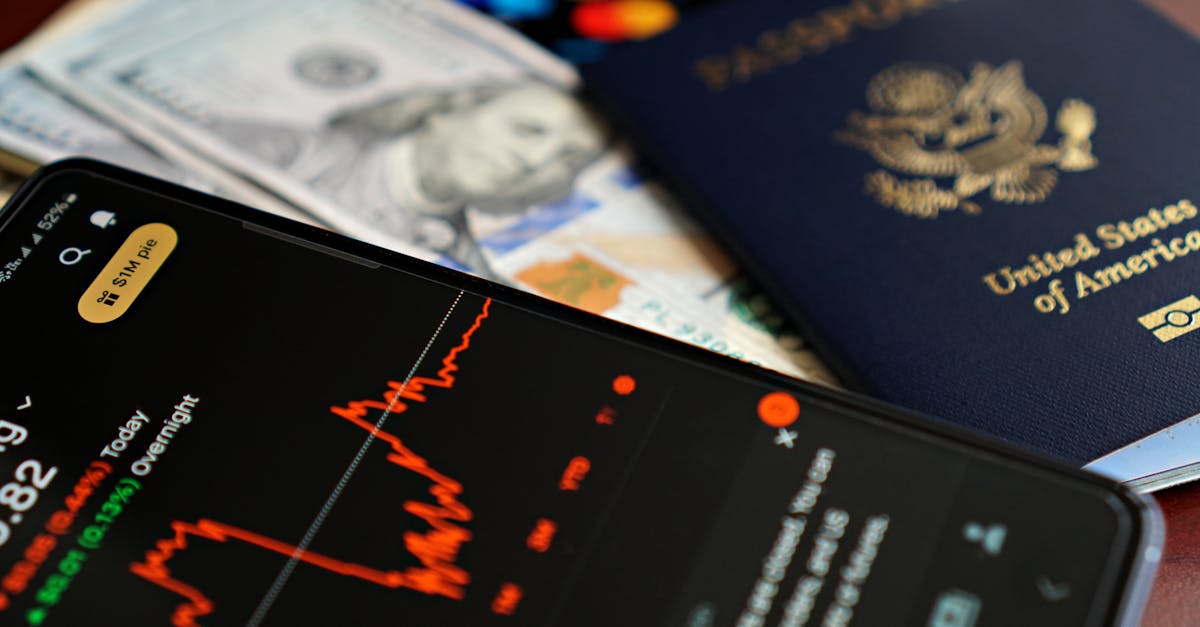
Imagine the Johnson family, who live in the suburbs of Denver, excitedly planning their long-awaited trip to Europe. With their sights set on Paris, they envision exploring the Eiffel Tower and savoring exquisite pastries at roadside cafés. However, as they budget diligently for their travel expenses, they find themselves grappling with a complex economic force: the exchange rate.
Currently, the exchange rate hovers around 1 USD to 0.93 EUR, a significant change from just a few years ago when it was nearly at parity. For the Johnsons, this means that the $5,000 they have saved for their trip will shrink when converted into euros, translating to approximately €4,650. This reduction feels palpable, given that flights, hotels, and dining will now be more expensive when expressed in euros.
The Ripple Effects of Currency Fluctuations
As the Johnsons consider their travel plans, various factors come into play that can further complicate matters. With inflation running at 3.8%, the price of goods and services—as reflected in the Bureau of Labor Statistics—has been on the rise, meaning that not only does their dollar buy less abroad, but the cost of their journey will also be closer to what it was last year, exacerbating the impact of the weaker dollar on their travel budget.
Additionally, higher interest rates can influence their financial decisions. With the Federal Reserve setting the interest rate at 3.64%, the financing costs of their vacation could balloon if they decide to use credit cards for some expenses. Imagine that credit card bill arriving months later, leveraging that high interest against their adventure’s financing. Each payment could quietly chip away at their family budget, drawing them further from their travel goals.
Opportunities Amidst the Uncertainty
Yet it’s not all doom and gloom for the Johnson family. They aren’t the only ones impacted by exchange rates. American businesses reliant on imports or overseas sales might find opportunities in this landscape. Take, for example, a small tech firm in Silicon Valley that exports software to Europe. With a weaker dollar, their goods become more competitively priced, potentially increasing demand abroad. This surge could lead to job growth, eventually balancing out the unemployment rate of 4.3% that currently lurks over the economy.
Fostering a strong export market can help an economy grow and, in turn, support families like the Johnsons who rely on stable jobs. Yet, the road is bumpy; just as the Johnsons find their trip’s costs mounting, the tech firm may also face upward pressure on its profit margins due to rising wage demands or supply chain disruptions stemming from international trade tensions.
A Family’s Decision
Back home, Jennifer Johnson reflects on the fluctuating economy and its ripple effects. “Should we rethink our plans? Maybe visit somewhere closer?” she muses, weighing options that now feel considerably narrower. To her, the trip isn’t just a getaway; it’s a unique opportunity for family bonding, fulfillment of dreams, and learning experiences that come alive in foreign cultures.
Ultimately, as the Johnson family prepares to finalize their plans, they know the significance of the exchange rate intimately. The narrow margins of their budget, the rising prices of necessities, and the intricate web of global economics have transformed a simple holiday into a nuanced decision-making process.
While the exchange rates remain volatile, the lessons they draw from this experience may well stay with them long after their plane touch down in Europe. As they grapple with these economic uncertainties, they find kinship not just in togetherness but in the shared narrative of navigating a complex world, dancing between dreams and reality, buoyed by hope and adaptability.