A Family’s Choice at the Airplane Ticket Counter
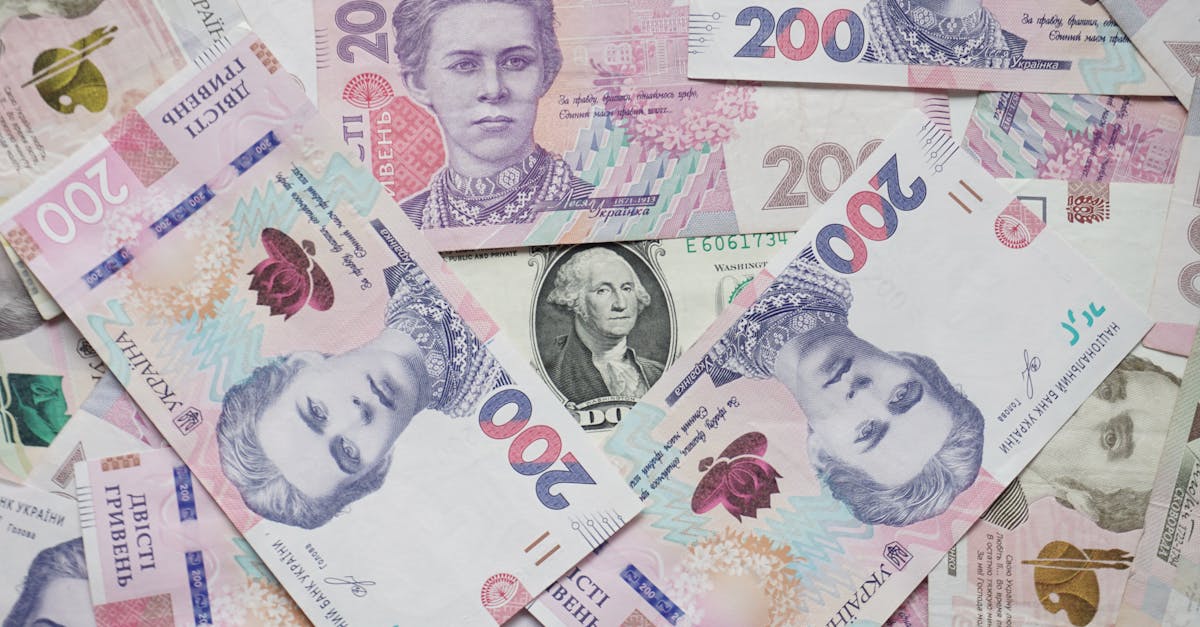
At the bustling airport terminal, Sarah and her family stand before a ticket counter, deliberating over their long-awaited European adventure. With the soft hum of passengers around them, they face a daunting decision: should they purchase tickets now or wait for a potentially better deal? A glance at the exchange rate for euros—a fluctuating measure—paints a stark picture of their financial fate. Right now, one euro translates to approximately $1.10. If they book today, they’ll be paying about $1,100 for each ticket. An increase in the euro’s value could quickly add hundreds to their travel expenses—not just for tickets, but also for dining, souvenirs, and experiences across the continent.
The Currency Maze
For Sarah’s family, this moment at the ticket counter is a microcosm of how the exchange rate ripples through the fabric of daily life. Current U.S. inflation sits at 3.8%, according to the Bureau of Labor Statistics, which means the cost of goods and services continues to rise, squeezing budgets tighter. Yet, how this ties to the family’s choice at the counter becomes pivotal. If inflation climbs, the Fed is likely to respond with interest rate adjustments. Presently, the interest rate stands at 3.63%. While this might dampen borrowing costs for home or auto loans, it also affects overall economic conditions, including the health of the dollar on the global stage.
Every day, their choices are part of a broader narrative. Think about it: if the euro becomes more expensive, their vacation—or even simple costs like a nice Italian dinner—could escalate. If Sarah and her husband, Tom, can save a couple of hundred dollars through timely booking, those savings could finance a day trip to the Amalfi Coast instead of a plain evening in a hotel.
The Ripple Effects of Unemployment
Back at home, Sarah thinks about their finances and the household budget. With U.S. unemployment reported at 4.3%, the job market remains competitive, and worries about job security can lead families to reconsider discretionary spending. For consumers like her, the exchange rate affects not just travel plans but also the price tag on imported groceries. A weaker dollar makes foreign goods more expensive, which can drive up prices at her local supermarket. A modest increase means she may choose to swap imported Italian olive oil for a domestic alternative, making a decision that might seem inconsequential—but it’s part of a chain reaction tied to global trade dynamics.
A Personal Decision Across Borders
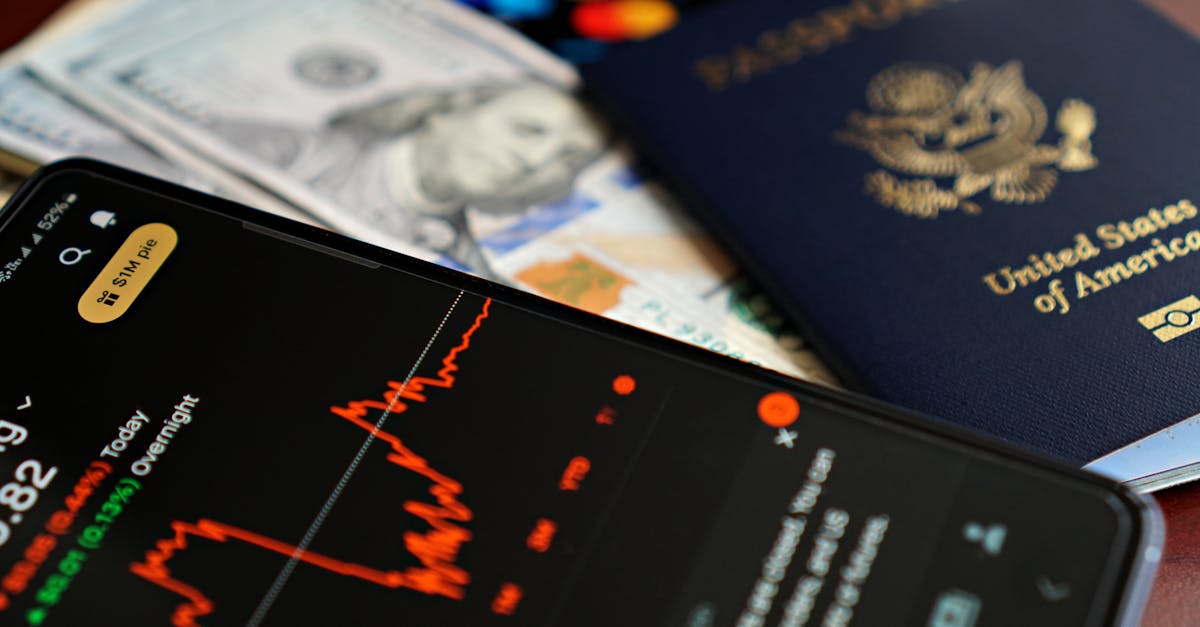
Every time Sarah glances at her phone, where various currency converter apps work tirelessly, she can see how much a simple decision affects their lifestyle. If she were to buy a family souvenir from Paris, that seemingly innocent purchase would suddenly feel heavier—thanks to exchange rate shifts that make those euros much pricier than they seemed at the outset. Those dollars don’t stretch as far as they used to, reminding her that spending choices are tightly woven into the international currency landscape.
As they finally commit to their tickets, Sarah and Tom breathe a sigh of relief, knowing they’ve secured their travel at a reasonable rate, but the undercurrents of economic conditions remain present—with inflation pinching the budget and employment levels hanging over their heads like a ticking clock.
Back in the terminal, as they finalize arrangements and excitement fills the air, the implications of the exchange rate and economic conditions linger just beneath the surface. The adventure ahead is tangible, yet each choice echoes the delicate balance of currency, inflation, and economic health that so profoundly influences the lives of everyday Americans. The family journey they embark on is not just theirs; it is part of a larger exchange in a globally connected economy, reminding them of the intricate dance between local decisions and international trends.