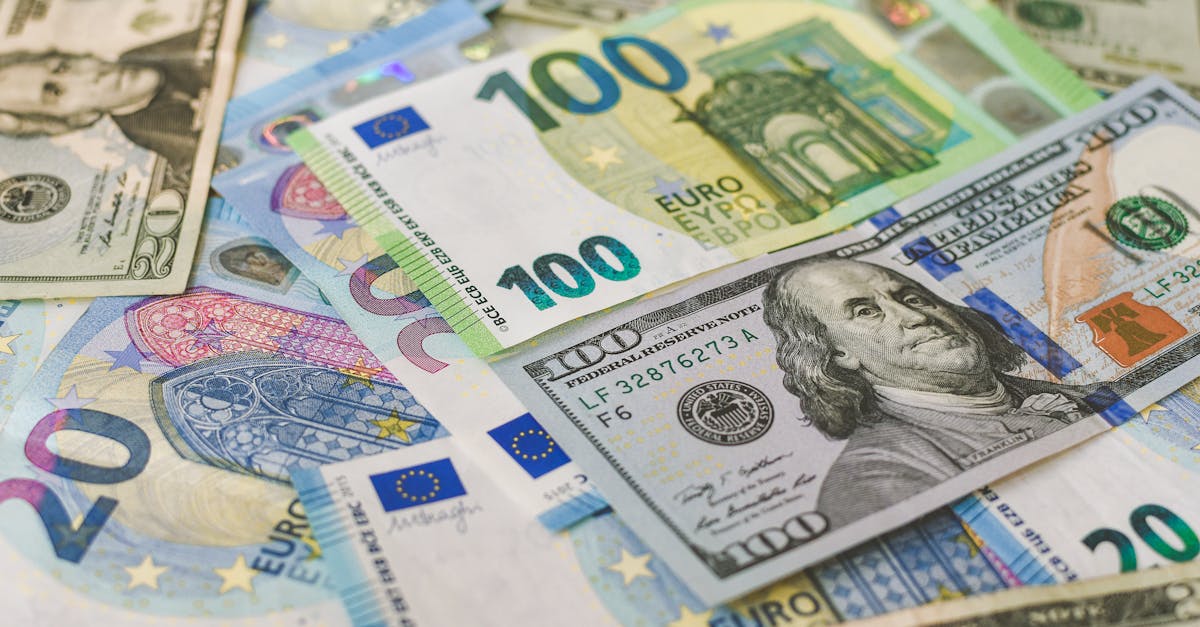
When the Morales family sat down to plan their long-awaited vacation to Europe, they excitedly opened their laptops to check the latest exchange rates. What they found was disheartening; the dollar was weaker than it had been just a few months prior. As savvy travelers, they understood that every dollar spent abroad would yield fewer euros than before, a stark reminder of how currency fluctuations can ripple through everyday life.
With their travel budget in hand, Mr. Morales compared their planned expenses against the current exchange rate of approximately 1.1 USD to 1 EUR. Two months back, things would have been different—then, it was about 1.05; the dollar’s decline now meant that their $5,000 in vacation savings would potentially see them living a more frugal experience.
The implications were immediate and personal. Instead of indulging in fine dining or boutique shopping, the couple had to make compromises, translating to fewer souvenirs and missed culinary experiences. For them, this wasn’t merely a nuisance; it mirrored larger economic currents stemming from inflation currently sitting at 4.2%, per the Bureau of Labor Statistics. Families across the U.S. are feeling the squeeze in other ways, too.
The Bigger Picture
This family’s dilemma exists against a backdrop of shifting economic tides. Consider this: at an interest rate of 3.63%, borrowing costs for businesses are climbing, adding pressure to their operational budgets, possibly leading to price hikes for consumers. For small businesses, fluctuations in exchange rates can trigger increased import costs; they might hesitate to order new stock from overseas when the strength of the USD is in decline. The micro-economies within local communities—like the Morales’s neighborhood corner store—are influenced by these trends, often stitching together fragile economic tapestries.
As Mr. Morales explored his options online, he noticed that travel packages to Europe had increased in price, likely influenced by retailers adjusting their markups as currency values shifted. This directly tied in with the ongoing inflation, feeding the perception of increased living costs even for those who might only be in the market for a summer getaway.
Watching the Global Stage
Interestingly, while families like the Moraleses grapple with the realities of their plans, they aren’t alone. Job seekers are navigating a labor market with unemployment hovering around 4.3%. This has resulted in competition for roles, particularly in industries that depend on a strong dollar for imports—like retail and manufacturing. Many workers are finding themselves in a balancing act, weighing job stability against potential pay adjustments reflecting economic pressures.
The Fed’s monetary policy also plays a pivotal role in shaping these dynamics. A rising interest rate environment can induce volatility in currencies, leading to a stronger dollar that might ultimately benefit consumers when traveling abroad, but it can be a double-edged sword for exports as U.S. goods become pricier for foreign buyers.
Weaving Back to Reality
As the vacation approaches, the Morales family decides to redirect their travel plans. Instead of a European adventure, they settle on visiting national parks and exploring local attractions. A bittersweet compromise, perhaps, but one that reflects an emerging trend: families re-evaluating their spending in response to changing economic conditions. The fluctuating exchange rates, driven by inflation and interest rates, ultimately shape their choices in ways they may not fully realize.
The ripple effect of these economic factors is far-reaching, extending from the globe to their living room. Just as the Moraleses navigate their decision-making process, millions of American families must adapt, illustrating the interconnectedness of currency values with daily lives. Whether saving for future adventures or budgeting for everyday expenses, the economy’s ebbs and flows redefine the American experience—all starting from something as simple as an exchange rate.