The Smiths’ Dream Vacation
For the Smith family in suburban Chicago, a trip to Europe had been a long-awaited dream. They envisioned strolling through the cobblestone streets of Paris, relishing fresh croissants, and exploring the breathtaking art in Florence. However, as they prepared to book their flights and accommodations, the exchange rate for the Euro took a sudden dive.
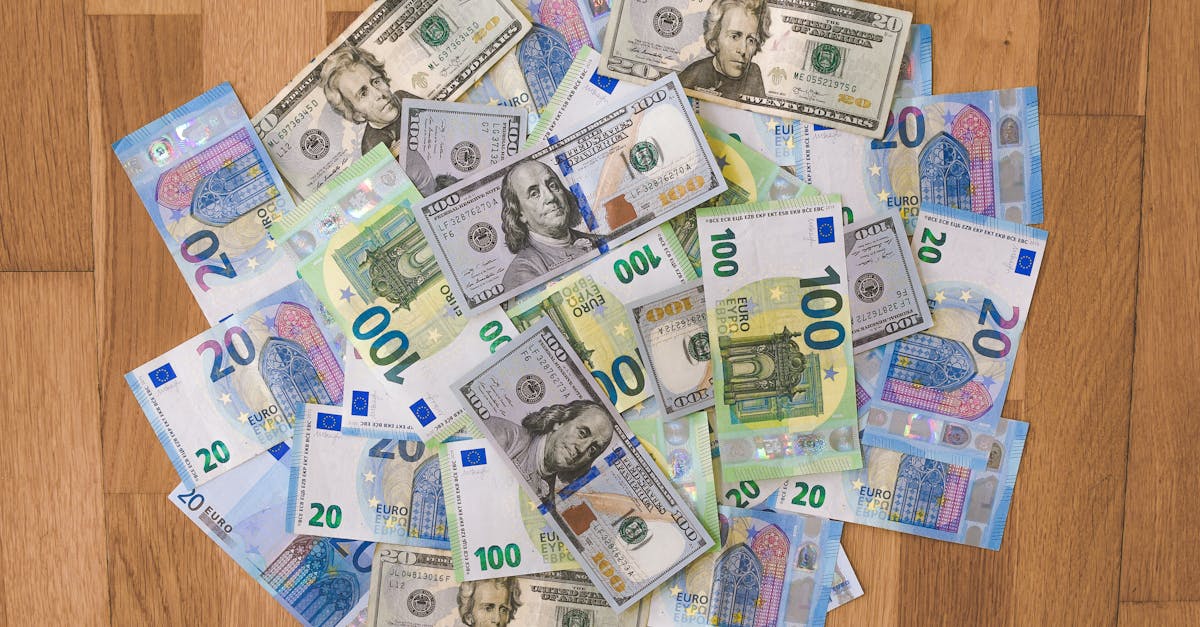
Just weeks earlier, the dollar was relatively strong against the Euro, valued at about $1.05 for each Euro. Now, that number had dropped to $1.15. This shift translated to higher costs for flights and accommodations. Imagine that! What initially seemed like an affordable vacation suddenly required an extra $400, pushing the family to reconsider their plans.
The Fragility of Currency
The Smiths aren’t alone in feeling the impact of fluctuating exchange rates. For businesses like the small importing company in Atlanta that sells European wine, a weaker dollar means that every shipment becomes more expensive. This costs the business more than just the price of the wine; it eats into profits, forcing them to either raise prices or absorb the costs, potentially losing customers who are less inclined to pay increased prices amid an inflation rate hovering at a notable 3.8%.
At the heart of these changes lies a web of financial systems, policy decisions, and, in recent months, tightening from the Federal Reserve. With interest rates set at 3.64%, credit has become more expensive. For the Smith family, this means their plan to finance the trip on a low-interest credit card could just barely work, as their purchasing power shrinks with every percentage point rise in costs due to the stronger Euro.
A Family Budget in Turmoil
Had the Smiths saved enough? With an unemployment rate of 4.3%, the job market remains relatively stable, but that’s hardly a comfort when external forces can make or break a budget. Their combined income allows for some wiggle room, yet each passing day pushes the dollar further from parity with the Euro. Their dream could easily morph into financial strain if they don’t act soon.
Meanwhile, alternatives beckon. Should they consider Mexico instead? With favorable exchange rates against the peso, their dollars could stretch further. However, as vacation options expand with fluctuating exchange rates, so too does a sense of uncertainty. Should they lock in prices now, or wait for the exchange rate to swing back in their favor? It’s a gamble that many Americans face in the current economic climate.
The Larger Economic Picture
These individual stories play out against the backdrop of a global economy in flux. As the Federal Reserve pivots to manage inflation and set interest rates, consumer decisions become intertwined with macroeconomic indicators. The looming specter of increased borrowing costs can easily overshadow personal aspirations and abstract economic theories. The struggle for the Smiths mirrors countless families trying to navigate their finances amid global upheaval, reminding us that exchange rates are not just numbers on a screen.
Return to the Smiths
As the Smiths sit around the dinner table discussing their options, their dreams of Europe hang in the balance. A vacation created through hard work and anticipation morphs into a complex decision influenced by distant financial policies and local market shifts.
For the Smiths, a simple family trip shifted from a delightful outing to a calculation of costs and trade-offs, underscoring how exchange rates ripple outwards, affecting everyday lives in ways both large and small. How much are dreams worth these days? That’s the question now pondered as they squeeze their savings tighter, unsure if the journey aligns with their financial realities.