A Productivity Decline Amid Economic Challenges
Labor productivity in the United States experienced a marked decline in the first quarter, falling 2.5% at an annualized rate. This notable drop is the largest since the pandemic-induced downturn in 2020, signaling potential trouble for the economy as companies grapple with rising costs and constrained output.
Putting Numbers in Perspective
Compared to a year ago, when productivity was climbing at 1.8%, this recent downturn paints a stark picture of the economic landscape. Other major economies are not faring much better, but the U.S. stands out with a significant productivity contraction at a time when growth was anticipated. For perspective, the Eurozone reported a modest productivity increase of 0.7% while Japan managed to stay flat, highlighting the unique pressures faced by American businesses.
In advanced economies with labor markets tightening and inflation soaring, U.S. companies are experiencing a synergistic squeeze from rising operational costs. The Consumer Price Index reflects this sentiment, rising 3.8% as of April 1. The confluence of these developments raises red flags for sustainable economic growth.
Labor Market Dynamics at Play
With unemployment sitting at 4.3%, the labor market remains relatively tight despite the recent productivity decline. Historically, a low unemployment rate should correlate with enhanced productivity; however, this period seems different. Businesses face pressures not only from wages but also from increased costs related to inflation and elevated interest rates. As of April 1, the Federal Reserve’s interest rate stands at 3.64%, further tightening credit conditions and squeezing potential corporate investments in productivity-enhancing technologies.
The Conundrum of Interest Rates
The Fed’s rate adjustments are primarily aimed at controlling inflation, but the knock-on effects of these policies are steep. Companies anticipating further increases in costs might hesitate to invest heavily in capital improvements. This cautious approach could lead to a vicious cycle where stagnant productivity contributes to lower growth expectations, limiting job creation even as consumer demand remains lukewarm.
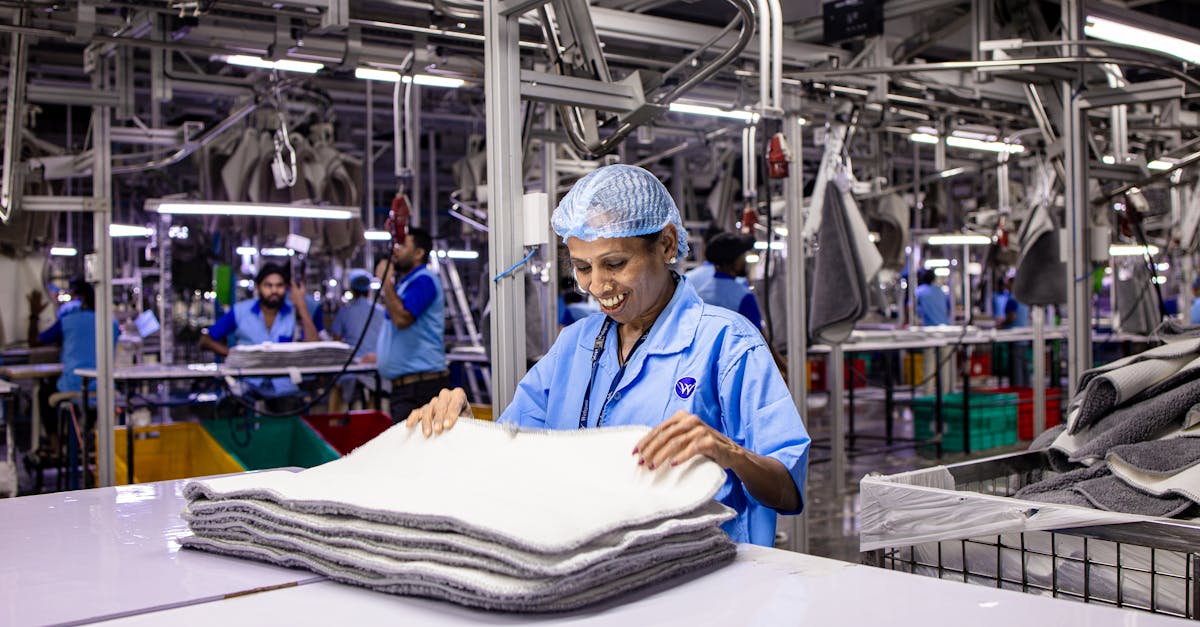
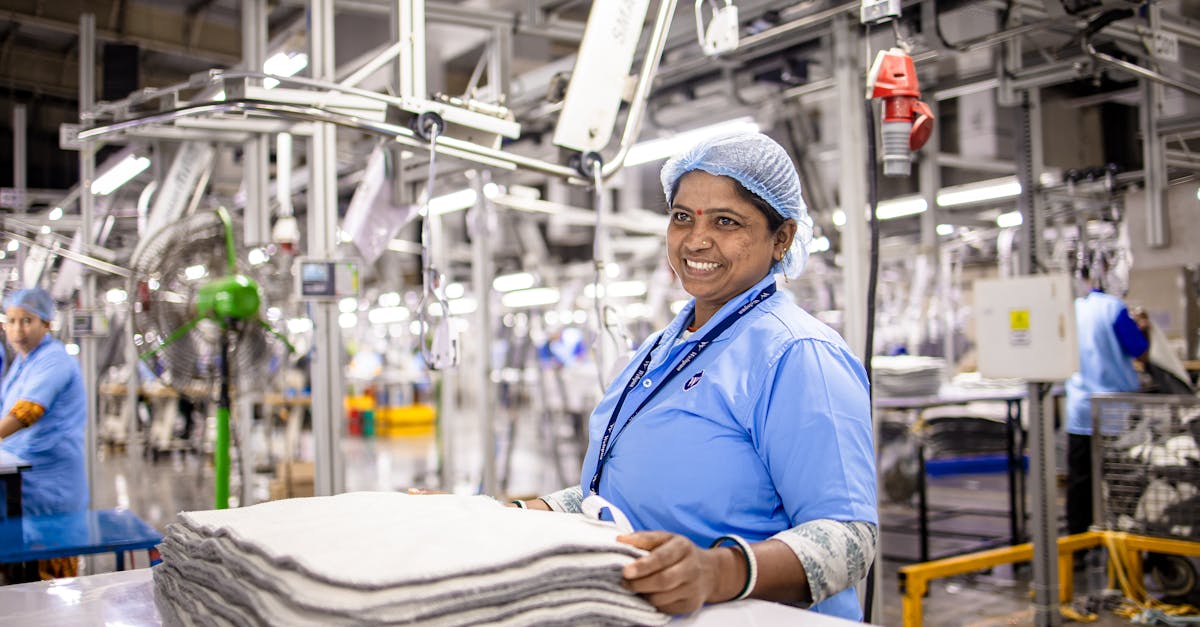
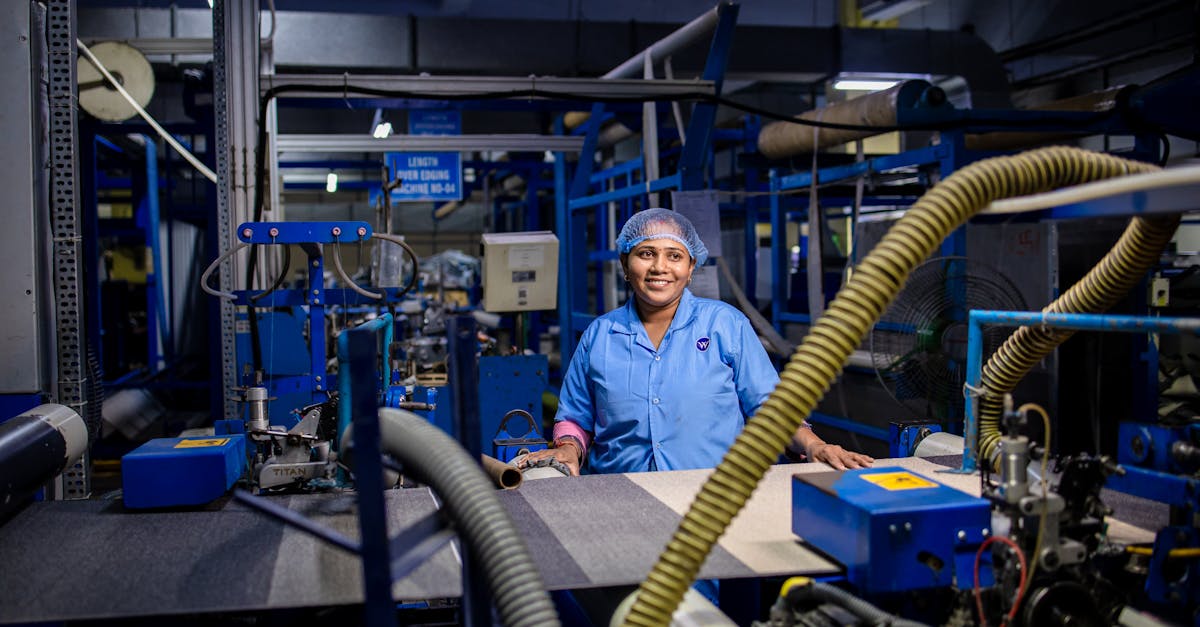
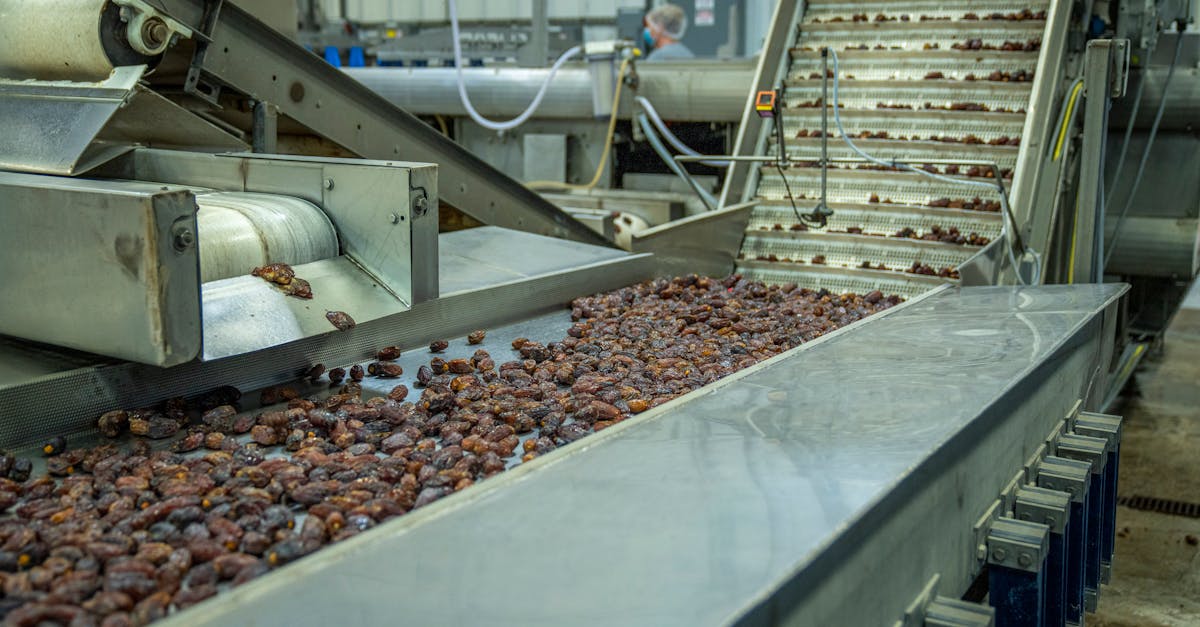
Each sector is grappling differently with these pressures. The manufacturing industry, traditionally a stalwart of productivity growth, saw a substantial downturn in output per hour due to supply chain disruptions and increased labor costs. Meanwhile, service sectors are struggling to find a balance between maintaining competitive wages and enhancing productivity, a contradictory need in today’s economic reality.
A Future Shaped by Resilience
Looking ahead, businesses must reassess their productivity strategies in light of these persistent challenges. As monetary policy tightens further, maintaining efficient operations while adapting to evolving market demands may become a pressing priority.
Will companies prioritize innovation over immediate cost-cutting measures, or will they succumb to the short-term pressures of inflation and interest rates? The answer to this question could shape not only the immediate economic performance but also the longer-term health of the U.S. economy as it strives to emerge more resilient from these turbulent waters. The next few quarters will undoubtedly test the mettle of American industries as they navigate these complex challenges.