A Surprising Resilience
Labor productivity in the United States remains unexpectedly robust, with a reported increase of 2.5% in the last quarter. This figure marks a stark contrast to last year’s 1.8% growth, positioning the U.S. as a productivity beacon amidst fluctuating global economic conditions.
A Competitive Edge
When placed in a global context, the U.S. is leading the charge on productivity improvements compared to many developed economies. For instance, the European Union reported an average productivity growth of only 1.2% over the same period, while Japan even lagged further at 0.9%. This U.S. edge suggests a thriving innovation landscape, despite the backdrop of rising inflation and an unemployment rate sitting at 4.3%.
Lifting the Veil on Inflation
Inflation, currently at 3.8% as measured by the Bureau of Labor Statistics, has tempered many economic forecasts, leading to heightened scrutiny of wage dynamics and purchasing power. However, the significant productivity uptick suggests that businesses have managed to optimize their operations, potentially insulating them somewhat from the erosive impacts of inflation. Higher productivity could enable companies to absorb rising labor costs while maintaining price stability in their goods and services.
The Role of Technology and Innovation
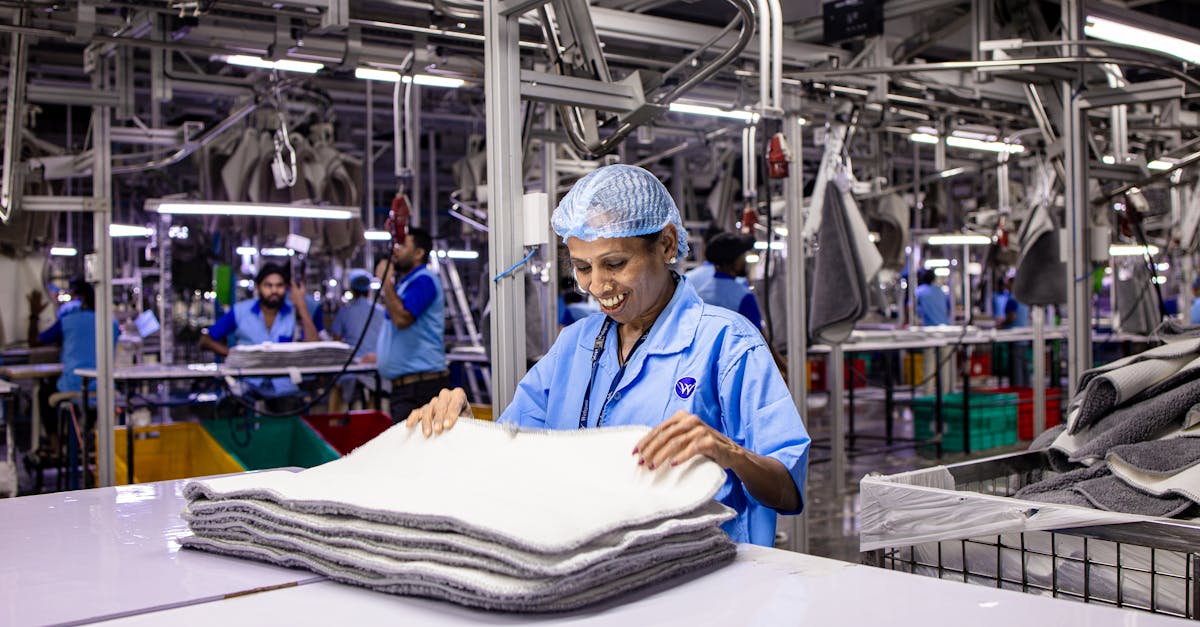
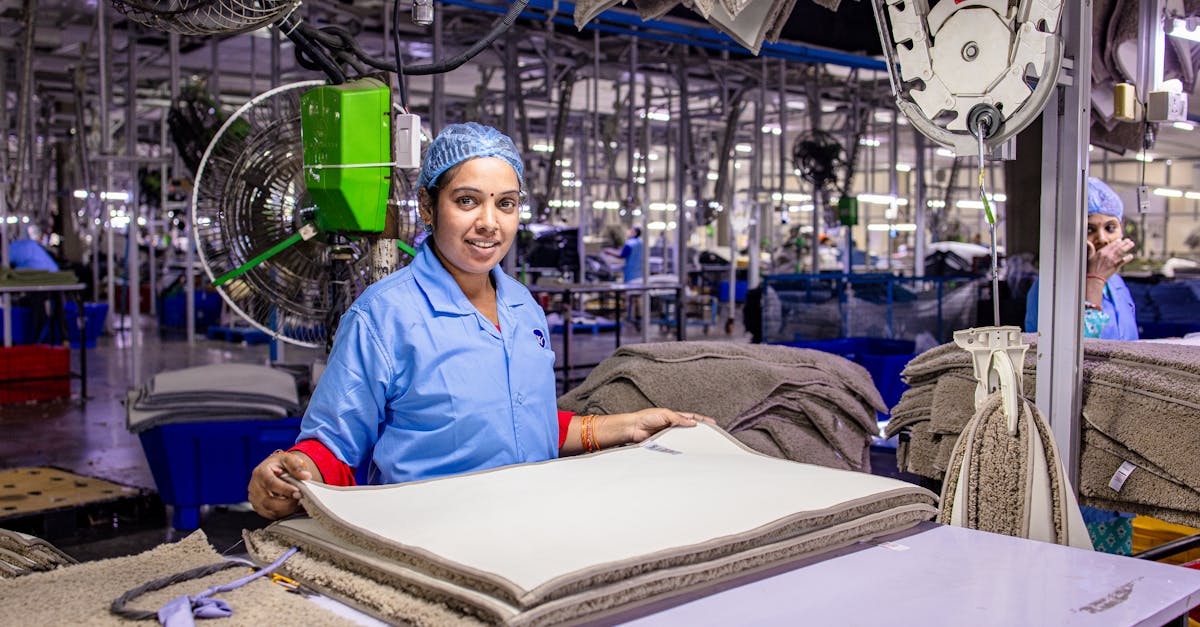
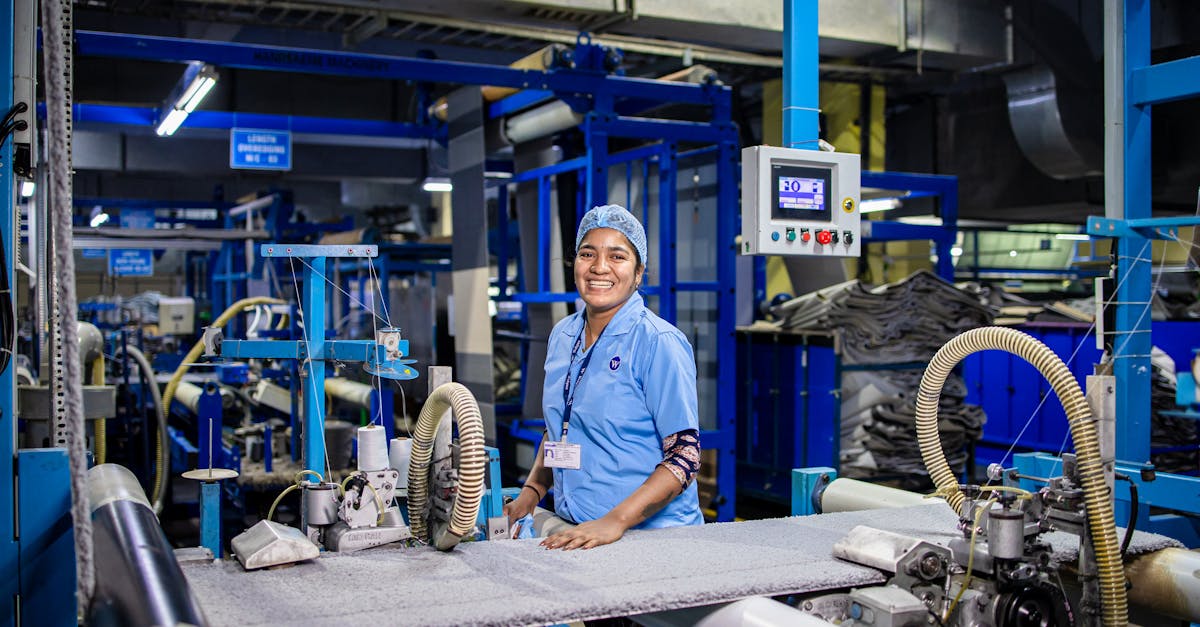
A pivotal driver of the recent productivity spike appears to stem from technological advancements. From increased automation to sophisticated data analytics, firms are leveraging new tools to enhance output. For instance, in manufacturing sectors alone, the surge in investment in robotic technology has broadened operational capacities while simultaneously slashing turnaround times. As companies embrace these advancements, the ripple effects can potentially elevate the overall economic landscape, pushing productivity figures even higher.
Labor Market Dynamics
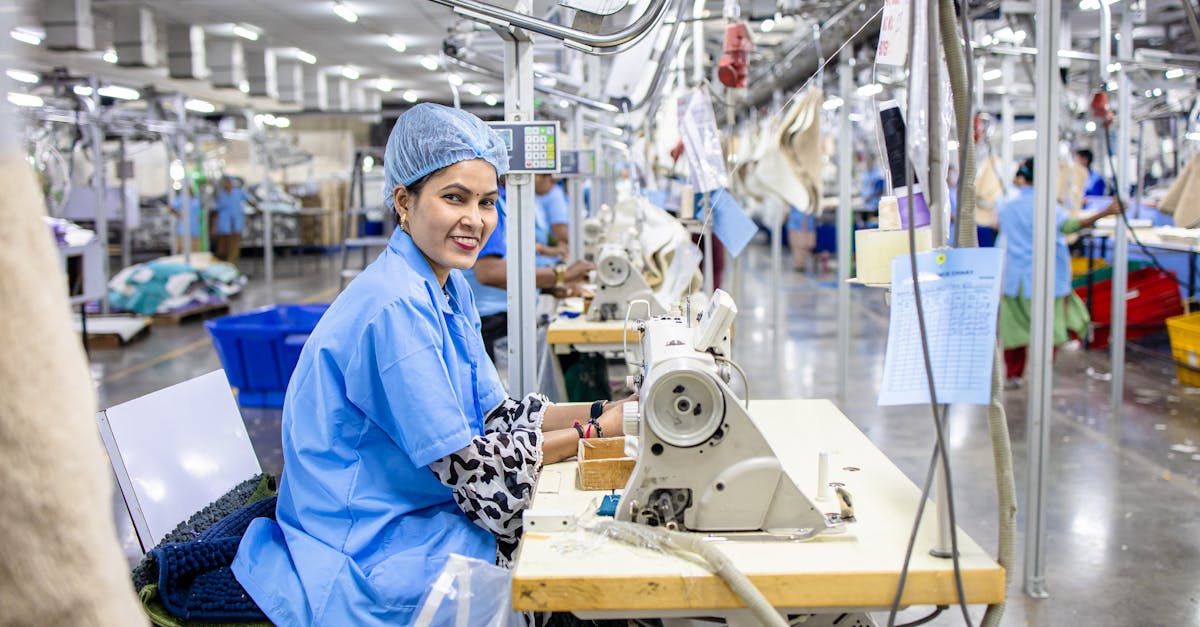
Despite other economic pressures, the labor market’s resilience is noteworthy. With unemployment figures hovering steadily at 4.3%, the workforce remains engaged, contributing to sustained output levels. The interplay between labor participation and productivity growth suggests that American workers are not only filling roles but also working in increasingly productive environments. This indicates a fundamental shift in operational efficiencies being realized across various sectors.
Interest Rate Implications
The current interest rate stands at 3.64%, further complicating the outlook for businesses and consumers alike. Higher rates often dampen investment, yet firms are appearing undeterred. Recent analyses show that industries focused on technology and innovation are willing to invest in productivity-enhancing initiatives despite the cost of borrowing. This proactive approach highlights an optimistic sentiment about future capabilities and growth potential.
A Future Shaped by Innovation
These labor productivity figures paint a picture of an economy poised on the precipice of transformation. Companies that adapt quickly to emerging technologies and cultivate a skilled workforce will likely reap the benefits in productivity returns. As the U.S. navigates inflation and interest rate challenges, a continued focus on fostering innovation and efficiency could set the stage for unprecedented economic resilience.
America’s labor productivity journey holds reluctant optimism for a resilient economy redefining its growth narrative amid global uncertainties.