Productivity Slips Amid Inflationary Pressure
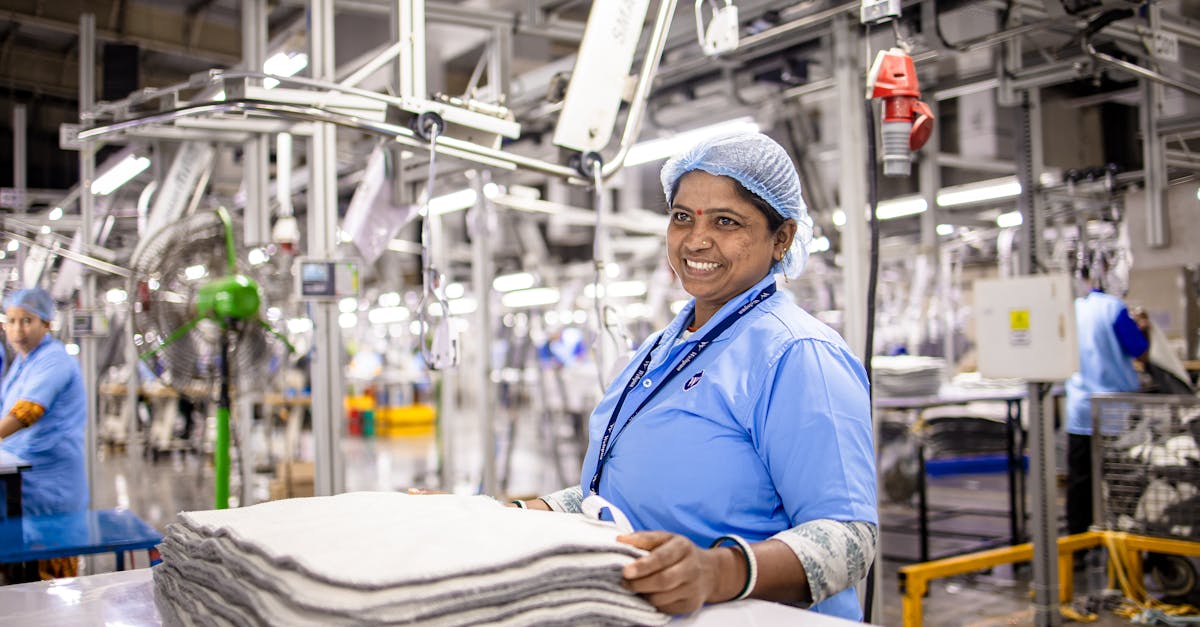
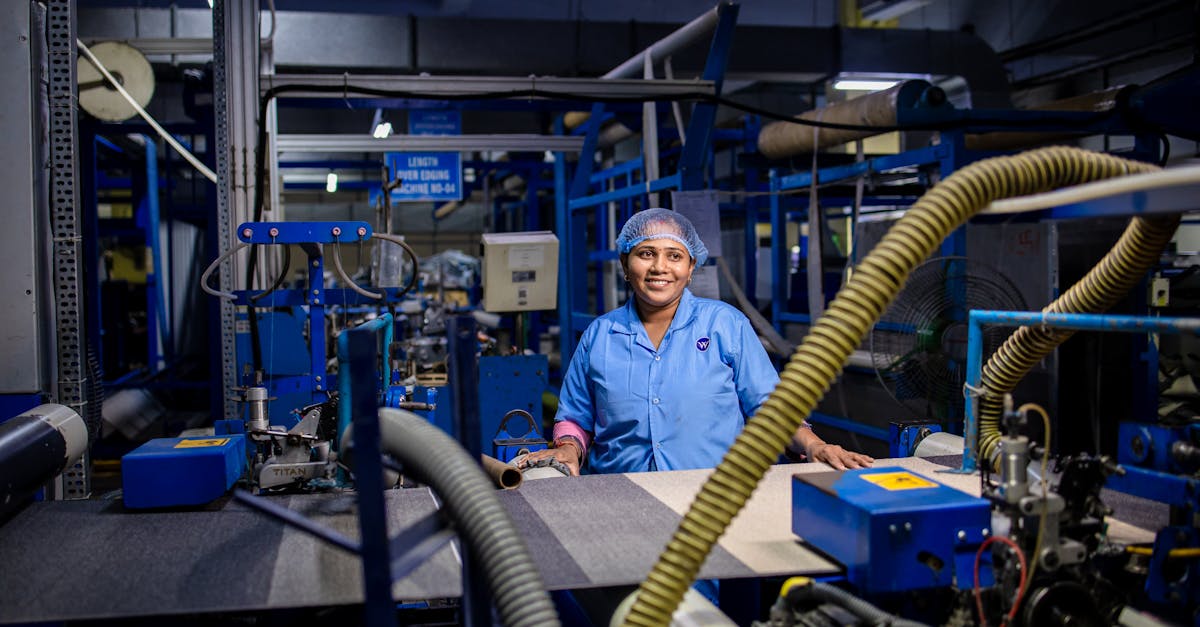
Labor productivity in the United States has seen a significant downturn, declining at an annualized rate of 3.6% in the most recent quarter. This marks a stark contrast to the 1.8% growth recorded just a year earlier, underscoring a worrisome trend as the economy grapples with rising operational costs.
Global Standing: A Comparative Lens
While the U.S. economy has historically prided itself on high productivity levels, recent numbers indicate a widening gap with its global counterparts. According to World Bank statistics, U.S. productivity growth lags behind that of major economies like Germany and South Korea, where productivity metrics have remained more robust. This disparity poses questions about American firms’ competitiveness on the world stage, especially as they navigate inflation rates that sit at 2.4%.
The Cost of Doing Business
The decline in productivity can largely be traced to inflationary pressures that have put a squeeze on operational efficiencies. Current inflation rates, derived from the Bureau of Labor Statistics, have prompted businesses to rethink strategies and cut costs. The ripple effects are being felt not only in manufacturing but also in service sectors that rely heavily on labor output. As companies face wage increases, coupled with the Federal Reserve’s current interest rate of 3.64%, the fiscal environment becomes increasingly challenging.
Meanwhile, the unemployment rate hovers at 4.4%, suggesting a tight labor market that complicates efforts to maintain productivity levels. Businesses are struggling to find skilled labor, and this scarcity contributes directly to the slowing output per worker.
Sector-Specific Declines
Certain sectors are faring better than others. For instance, the technology sector has demonstrated resilience, thanks in part to advancements in automation and artificial intelligence. Despite the overall downturn, firms that invest in tech-driven efficiencies have often seen productivity growth outpace their peers. However, the broader service industry, which constitutes a significant segment of the U.S. economy, has been notably hard hit, with many providers grappling with spiraling wages and operational costs.
Eyes on the Horizon
As businesses adapt to the evolving landscape, the challenge will be twofold: maintaining workforce morale while ensuring that output increases in a cost-effective manner. The balancing act of investing in technology while managing an increasingly demanding inflationary environment raises a critical question: Can U.S. companies innovate their way out of this productivity slump?
The next several months will be telling. As firms look to recalibrate amidst these economic pressures, strategies focused on enhancing output efficiency may become the cornerstone for survival and growth in an evolving global marketplace. Today’s decisions will significantly influence the trajectory of productivity and the overall economic outlook of the U.S.