Struggling to Keep Pace
Labor productivity in the United States has shown signs of stagnation, with year-over-year growth clocking in at just 1.2% as of the end of January. Despite ongoing investments in technology and innovation, the U.S. lags behind major global competitors such as Germany and Japan, which report productivity gains of 2.1% and 2.3%, respectively. This stark contrast raises questions about the underlying factors inhibiting American efficiency.
A Deeper Dive into the Numbers
The current productivity figure, when juxtaposed against the backdrop of a relatively high inflation rate of 2.4% as measured by the Bureau of Labor Statistics, paints a sobering picture. Wages are increasing, but not at a pace that matches inflation, leaving workers feeling squeezed. Additionally, as unemployment sits at 4.4%, the availability of jobs means companies may be hesitant to invest heavily in automation or labor-saving technologies, creating a cycle of stagnation.
This underperformance isn’t merely a domestic issue; the global competition is intensifying. For instance, while the U.S. saw diminishing gains in productivity, Canada experienced a robust uptick of 2.5% last year, showcasing their successful integration of advanced manufacturing processes alongside easier access to skilled labor.
The Role of Interest Rates
Another significant factor at play is the Federal Reserve’s interest rate policy, which currently stands at 3.64%. Higher interest rates, while aimed at cooling down inflation, also increase borrowing costs for businesses. This often leads to reduced capital expenditure, which is crucial for productivity-enhancing upgrades. Companies might postpone investments in new technologies or lag in adopting practices that could elevate output levels.
Sector-Specific Insights
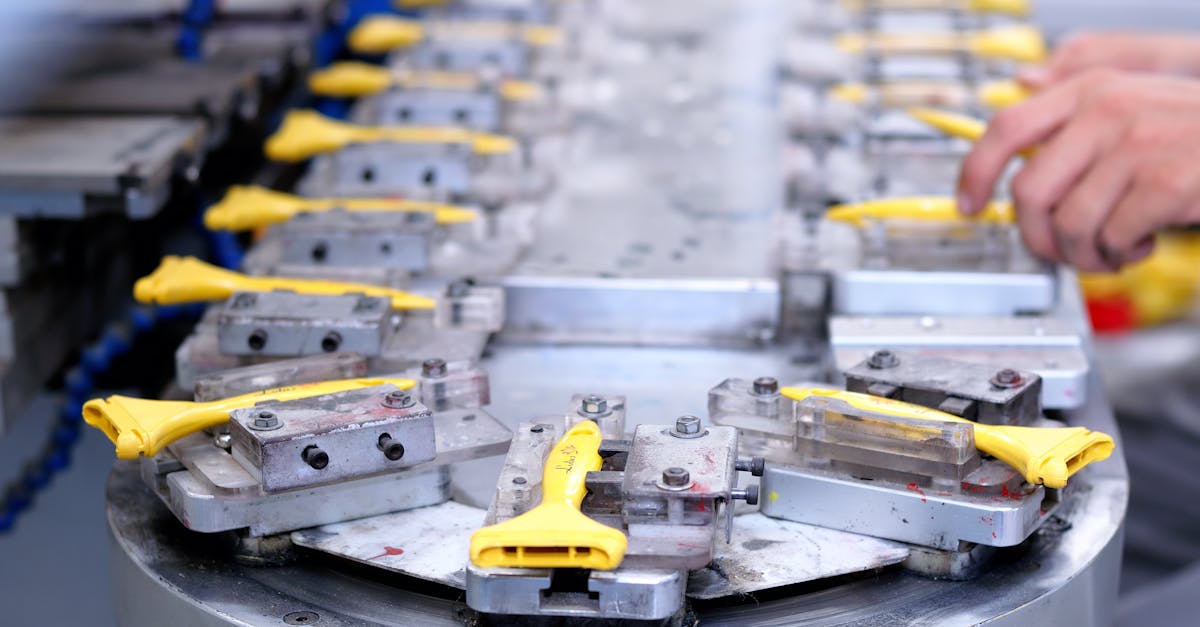
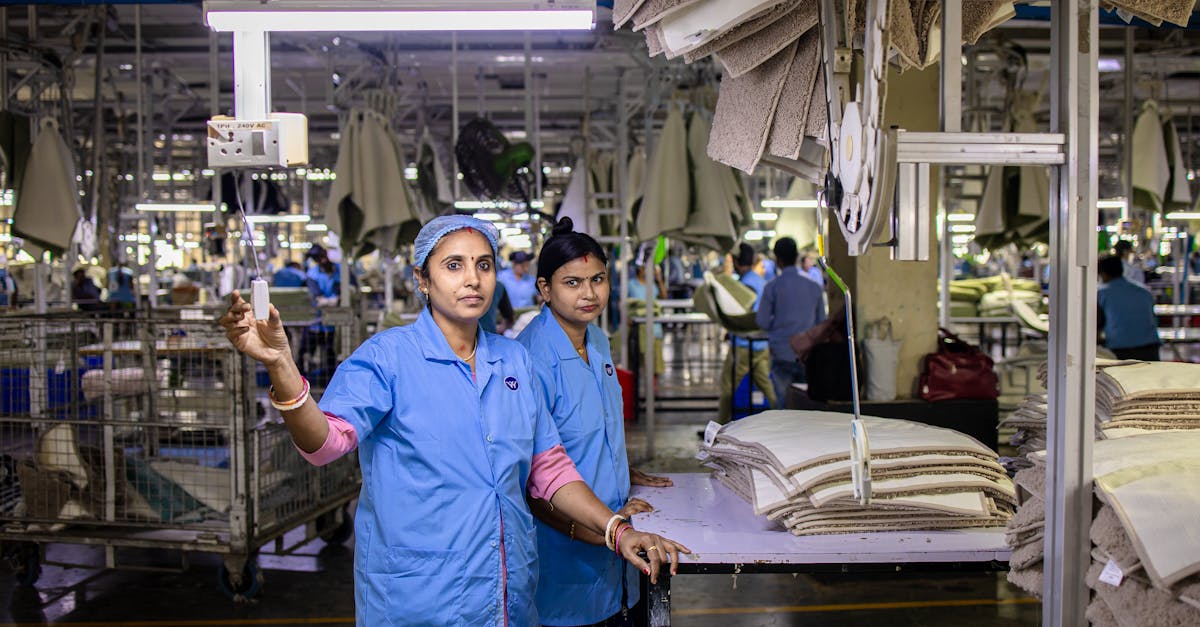
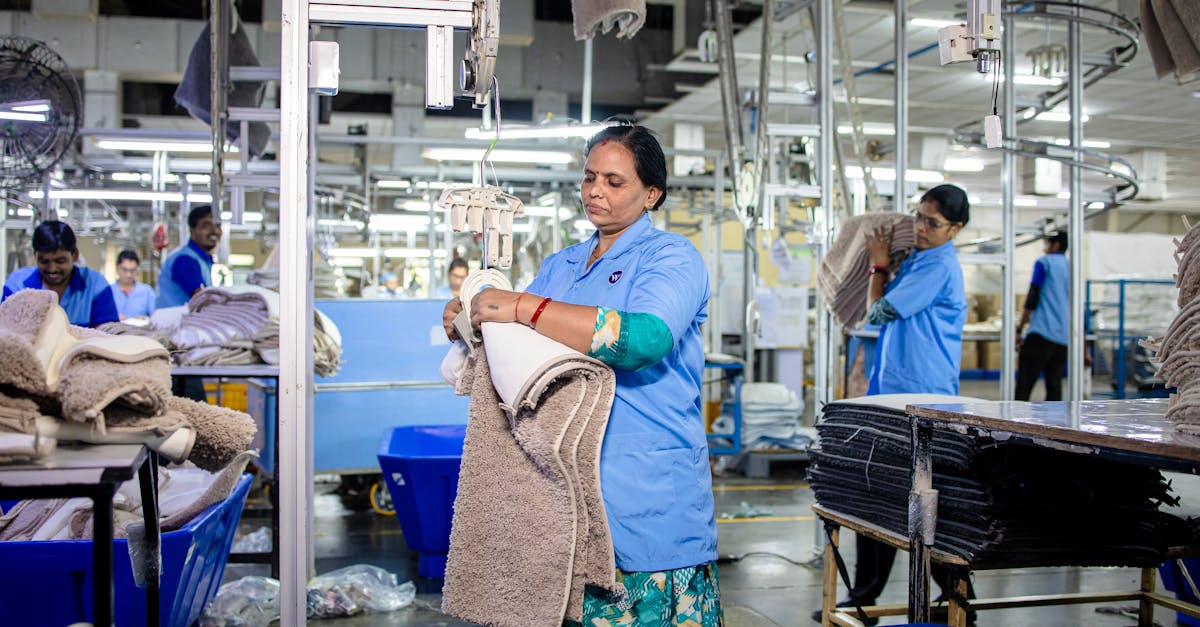
Certain sectors have fared better than others in expanding productivity. For instance, the information sector has demonstrated notable efficiency, largely due to rapid advancements in software and data management. This contrasts sharply with the manufacturing sector, which has faced stagnation as labor shortages continue to challenge supply chains. As companies struggle to recruit or retain skilled labor, their output becomes limited by workforce availability rather than technological capabilities.
Looking to the Future
The path forward requires an understanding that wages, inflation, and productivity are intertwined. As companies navigate the current economic landscape, maintaining productivity levels while managing costs will be imperative. Continued investment in education and workforce training is essential to equip workers for automation and technological integration. Without this focus, the U.S. risks falling further behind in the global productivity race. The resilience of American businesses will be tested, having to innovate in a landscape shaped by economic uncertainties and competition. Thus, the quest for higher productivity is not just a matter of efficiency; it’s a strategic pivot towards sustainable growth.