A Nation Divided by Inflation
Consumer prices have climbed 3.3% according to the Bureau of Labor Statistics, an uptick that hints at a recovering economy. Yet, the surface of this growth only reveals a tangled web of winners and losers, where specific sectors and demographics experience vastly different realities. While many Americans have returned to pre-pandemic levels of spending, the experience of inflation feels distinctly unequal.
The Expectation vs. The Nitty-Gritty
When the Federal Reserve indicated a target inflation rate of around 2%, optimism prevailed, painting a rosy picture of recovery. Hopes rested on a strong labor market and pent-up consumer demand propelling growth into previously unseen heights. However, the reality has been more confounding. Core inflation, particularly in essentials like housing and food, remains stubbornly high, squeezing budgets for lower-income households that have seen their purchasing power stagnate or decline.
A Sectoral Snapshot
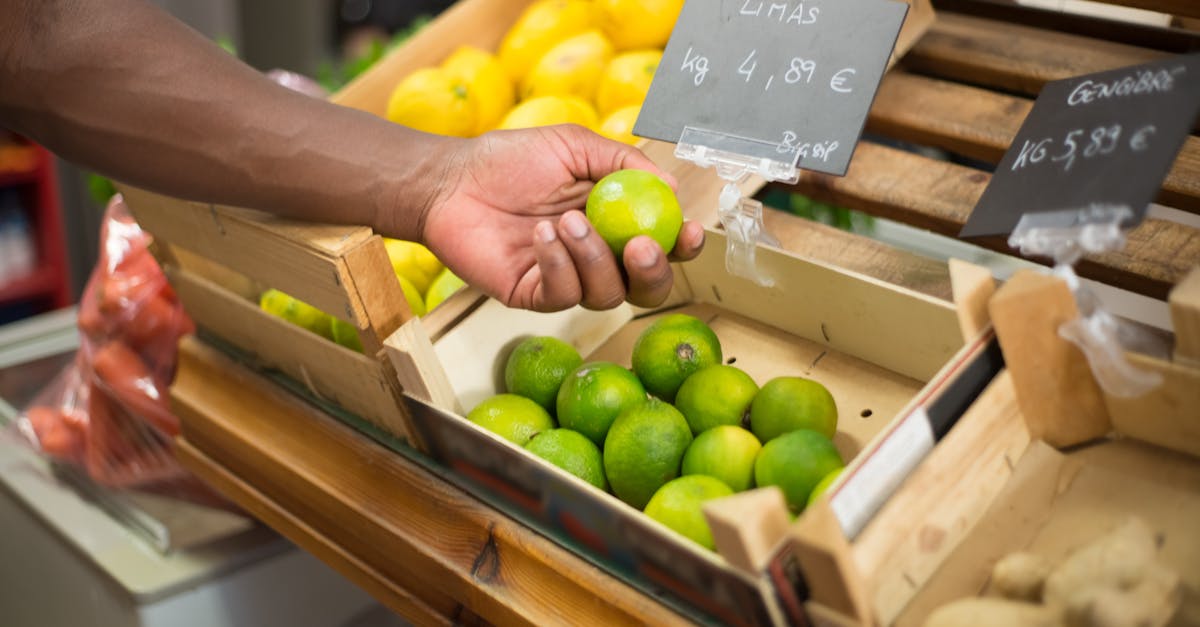
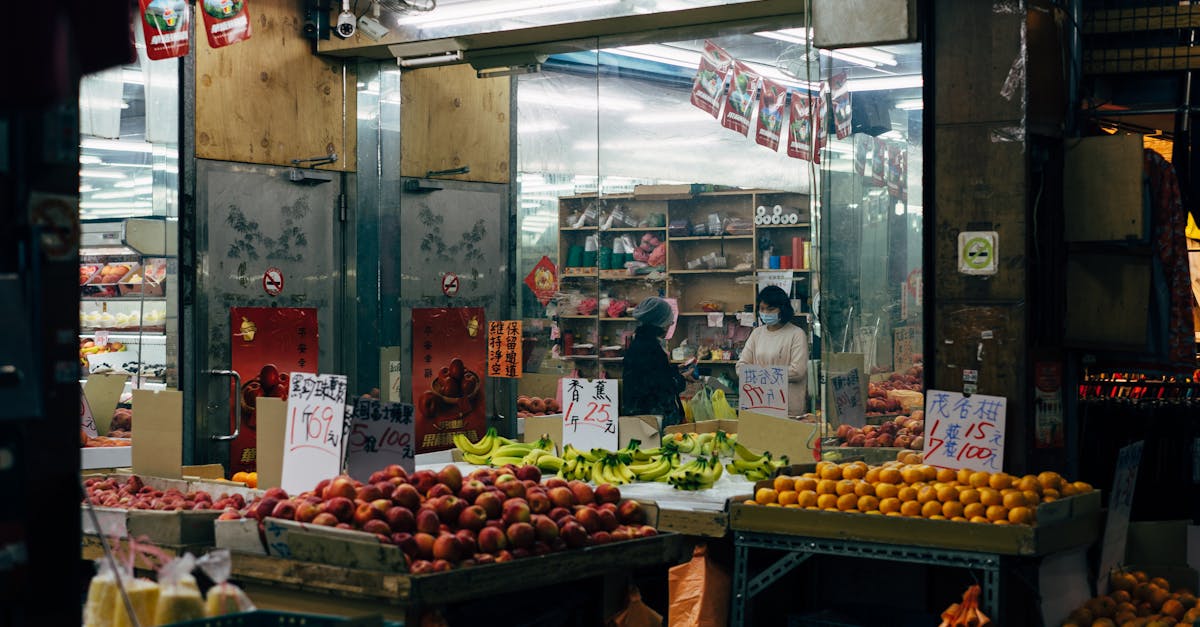
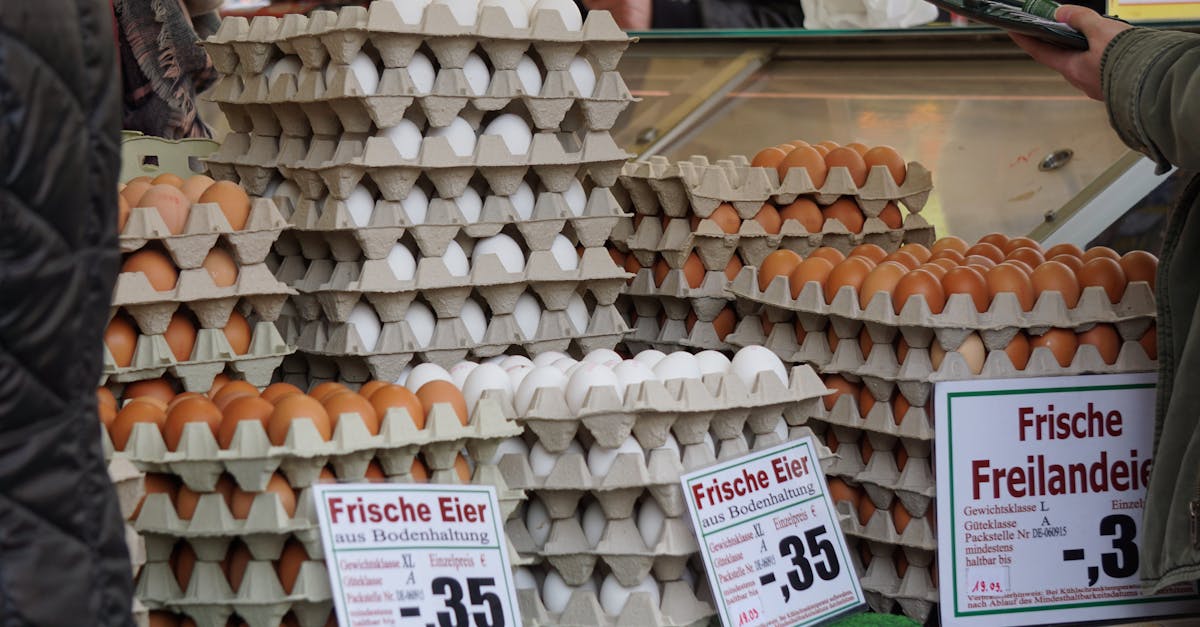
The disparity in inflation’s impact becomes particularly evident when looking at specific sectors. For instance, while energy prices dipped slightly, the cost of groceries surged significantly, resulting in a 10% increase year-over-year in food costs. This duality creates an economic landscape where those employed in tech or finance—fields that enjoy inflated salaries—find themselves largely unaffected, while food service workers and low-wage earners bear the brunt of rising prices at grocery stores.
Wages, despite nominal increases, do not always keep pace with inflated prices, which creates a tightening vise for low-income families. A family struggling to afford staples like bread and milk while living paycheck to paycheck is a reality too easily ignored amid broader recovery narratives highlighting booming stock prices and exalted employment figures.
What’s Under the Radar?
Amid the drama of economic recovery lies a hidden trend: the persistent strength of small-scale consumer sentiment. A survey by the Conference Board indicates a strong likelihood of households planning to spend, with a 6.5% increase in overall retail sales. Yet, this spending power is uneven, heavily reliant on the financial health of upper-middle-class suburbanites, while urban centers, particularly those reliant on tourism and hospitality, have yet to fully rebound.
Bridging the Income Inequality Gap
The contradiction becomes stark when comparing inflation trends in the United States to those in Europe, where consumer inflation has exceeded 5% in several countries, prompting aggressive interventions from central banks. The Eurozone’s approach to managing rising prices with tighter monetary policies puts the U.S. Federal Reserve’s careful navigation of rate hikes into sharp relief. For many Americans, the trust in continued growth feels fragile, especially in light of persistent economic divisions.
An Evolving Economic Forecast
As prices fluctuate and sectors wrestle for resilience, the core question becomes: what does the future hold for the consumer landscape? Will inflation slow down sufficiently to heal the rift between those who thrive and those who merely survive? The pressure of higher interest rates and a potential economic slowdown looms, making it crucial for policymakers to recognize that the narrative of recovery often masks deeper difficulties affecting the lives of millions.
With the Fed’s rate-setting meetings approaching, the pivotal moment is close; they must choose between continuing their gradual tightening process or risking the ire of lower-income brackets caught in the iron grip of inflation.
What is the decisive fork in the road? Will we forge a path towards equitable growth, or continue on a trajectory where economic disparity defines the American experience?