When Declining Inflation Meets Skyrocketing Costs
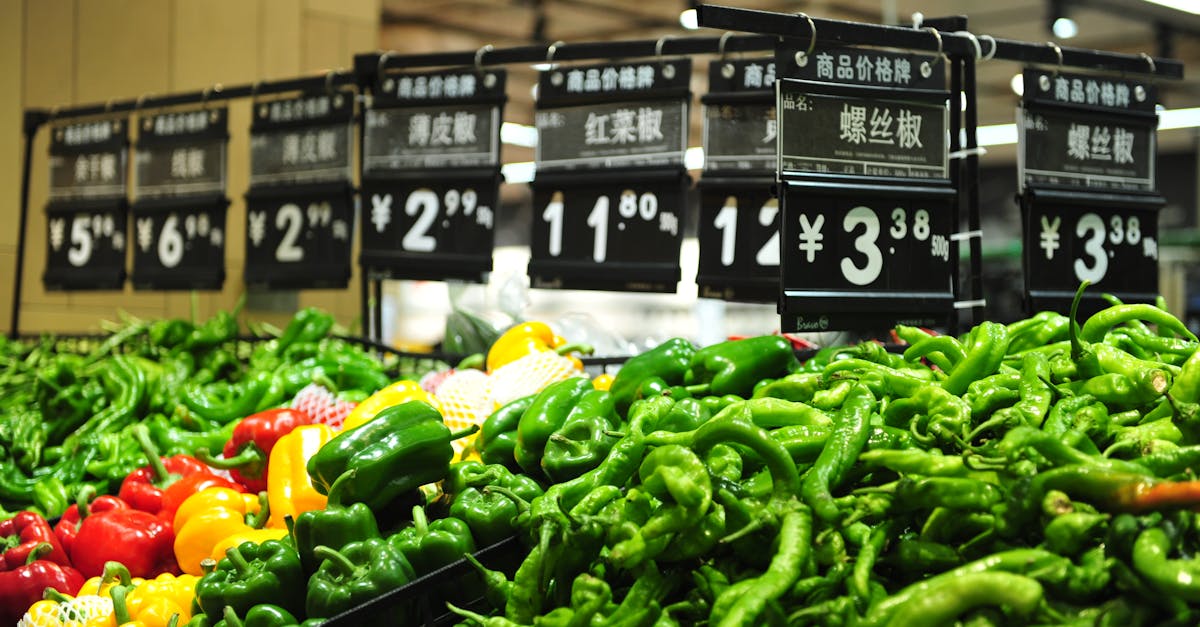
A seemingly paradoxical reality emerges in the U.S. economic landscape: while inflation has dipped to 3.8%, many consumers are feeling the sting of higher prices like never before. The Bureau of Labor Statistics reports this figure as a considerable improvement from previous highs, yet ask any grocery shopper and you’ll find bewilderment over skyrocketing costs in familiar aisles. What gives?
Expectations vs. Outcomes: The Great Discrepancy
The drop in inflation paints a rosy picture for policymakers, who tout the success of their efforts. But consumers are stuck in a Kafkaesque nightmare, where their reality does not align with these celebratory statistics. Food prices, which have historically vexed budgets, led the charge with a 6.5% increase over the past year, making the BLS’s 3.8% headline figure feel utterly disconnected. Meanwhile, energy costs have dipped—a 4.1% decline masked under rising fuel prices at the pump.
Add to this the significant regional disparities that sway in untamed directions—while regions like the South have reported a milder inflationary burden, parts of the West are grappling with hikes that negate any potential financial relief. This variability raises critical questions about which sectors and demographics truly benefit from these perceived trends. Are low-income families in urban centers better equipped to endure these fluctuations than their suburban counterparts?
What’s Missing from the Headlines: The Hidden Pain Points
Deep beneath the surface of inflation statistics lies a more nuanced story. Wages have largely stagnated, gaining only about 2.5% over the same period while the cost of living climbs. Adjusted for inflation, real wages are effectively in decline. In a country where 60% of Americans live paycheck to paycheck, the economic strain is tangible and troubling. The media fixates on grand narratives of national economic recovery, but fails to chronicle the silent suffering faced by everyday households trying to stretch constrained budgets.
Equally concerning is the stark divide within consumer markets. Luxury goods are experiencing a resurgence, with companies reporting record profits as affluent customers spend freely, seemingly immune to broader economic pressures. This bifurcation starkly highlights how inflation and price realities play out differently across income levels. Is the U.S. morphing into a nation where the upper echelon flourishes while the middle and lower classes struggle?
Questions Left Unanswered: The Fork in the Road
As policymakers weigh options in response to inflation, the fundamental question remains: which America will we choose to nourish? Will we bolster a recovery that benefits all its citizens, or allow the process to cater narrowly to the wealthy? Key decisions loom at every turn, whether through monetary policy adjustments or legislative changes aimed at bolstering the average consumer’s purchasing power.
As inflation continues its unpredictable dance, it presents a significant fork in the road for the nation. Will policymakers choose to address the inequities exacerbated by rising prices, or focus exclusively on maintaining the glimmer of economic recovery? Which America will stride forward—one thriving under the guise of strong statistics, or one struggling to make ends meet amidst systemic challenges? The answers may lie in choices yet to come, deeply intertwined with the roles of fiscal intervention and market-driven outcomes.