A 2.4% Surprise: Who’s Celebrating?
Inflation at 2.4% might appear benign on the surface, painting a picture of economic stability and recovery. Yet, this figure belies a deeper narrative. While consumers are coping with milder price increases compared to recent years, certain sectors bask in a false glow while others struggle under the weight of cost pressures. How can we reconcile a seemingly rosy inflation number with the palpable anxiety of households and businesses?
Divide and Conquer: Examining Sectoral Disparities
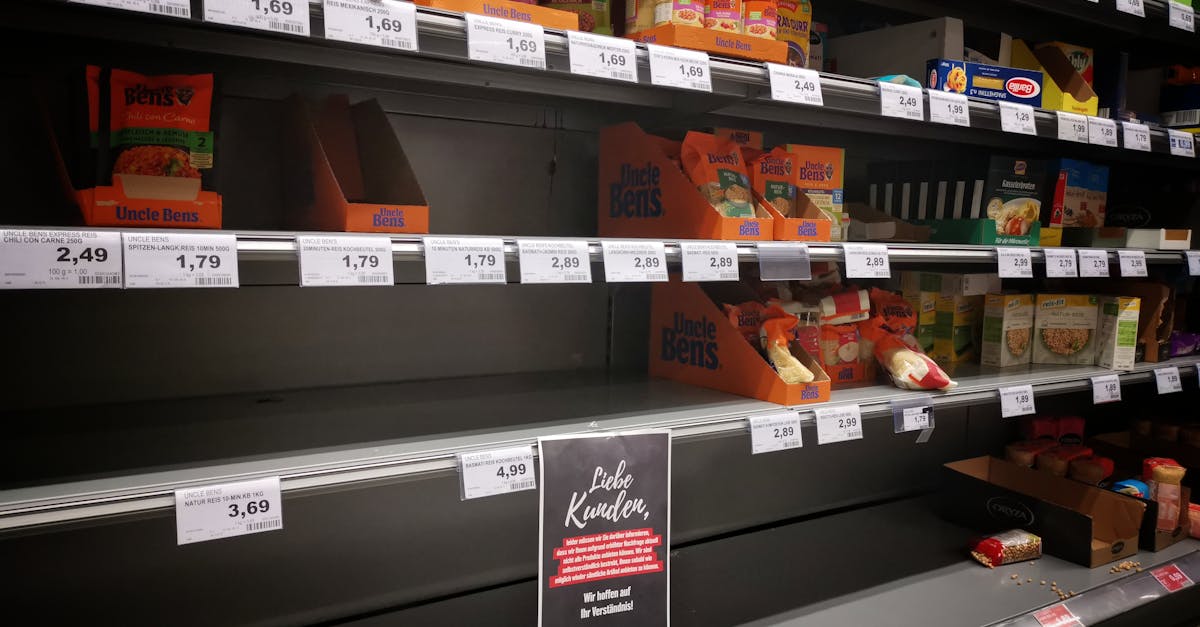
The luxury goods market is witnessing a renaissance, with high-net-worth individuals resuming pre-pandemic spending habits, reinforcing the divide between the affluent and the average consumer. For instance, companies like LVMH reported a 27% increase in sales, buoyed by the resurgence in luxury consumption. Meanwhile, everyday goods remain stubbornly high. According to the Bureau of Labor Statistics, food prices increased by approximately 6.5% over the same period. The higher costs of groceries, combined with stagnant wage growth for many workers, create a punishing conundrum.
Where sectors like technology have successfully harnessed economies of scale to stabilize prices on gadgets and services — with electronics inflation hovering around just 1.2% — basic necessities fail to mirror that trend, exposing a stark gap that cries out for attention.
The Silent Squeeze: What Data Isn’t Telling Us
Look closer, and beneath the reported inflation rate lies a concerning trend: hidden inflation. While the headline figure sits at a manageably low 2.4%, adjustments in the Consumer Price Index (CPI) mask the true costs consumers bear. Rent prices soared by 8% annually, according to the BEA, largely due to supply chain snags and labor shortages that simply aren’t ameliorating despite improving overall economic conditions. Homeowners and renters alike are feeling the pinch, yet this housing cost pressure is absent from the broader narrative presented by the media.
Accentuating this disparity, nearly half of Americans reported living paycheck to paycheck in a recent survey. If incomes don’t rise in tandem with the 2.4% inflation figure, where does that leave consumers grappling with unprecedented volatility in their finances? The interplay between nominal wage growth and inflation creates a tenuous spiral that ordinary citizens must navigate daily.
Global Comparisons: The U.S. vs. the World
When pitted against other economies, the U.S. inflation number seems modest, especially when compared to Germany’s inflation rate peaking at 7.8% or the Eurozone’s 5.5% average. However, this global perspective overlooks the internal challenges faced by American households. The question arises: is this a genuine economic recovery or just a misleading appearance of stability in the face of underlying strife?
Moreover, nations that invested in sustainable transitions and robust social safety nets are faring generally better; countries like Denmark and Sweden show increasing stability in essential sectors without the rampant price fluctuations found in the U.S.
The Fork in the Road: What Comes Next?
The intensity of inflation’s impact varies drastically between diverse regions and demographics. While the consensus holds the current rate at a manageable level, the undercurrents tell a different story. Layoffs are looming in vulnerable sectors, highlighting the fragility of the perceived recovery as higher interest rates threaten borrowing costs. Will the Fed pivot toward a more aggressive monetary stance to combat hidden inflation, or will it remain fixated on keeping rates steady amid a potentially deepening crisis?
An essential fork in the economic journey lies ahead: as the data suggests, who will survive the pressures of this convoluted inflation landscape, and who will thrive — and at what cost? The answers may reshape our understanding of economic health and consumer resilience for years to come.