A Surprising Landscape of Inflation
The current inflation rate sits at 3.8%, a number that, for many, seems deceptively manageable. Yet, this modest figure masks a paradox: a growing number of consumers feel the pinch of rising prices more acutely than others. This inflation metric, heralded by economists as evidence of stability, stands in stark contrast with the experiences of low- and middle-income households. While the overall number might suggest a return to equilibrium, it effectively hides the turbulent realities faced by millions.
Disparate Impacts: The Haves and Have-Nots
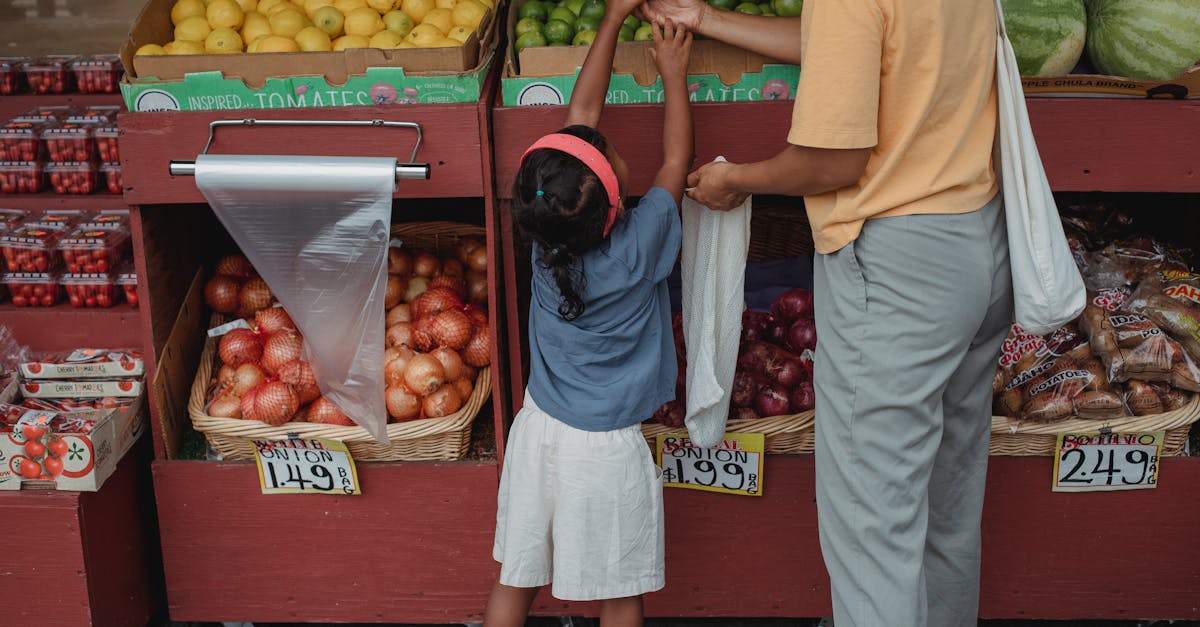
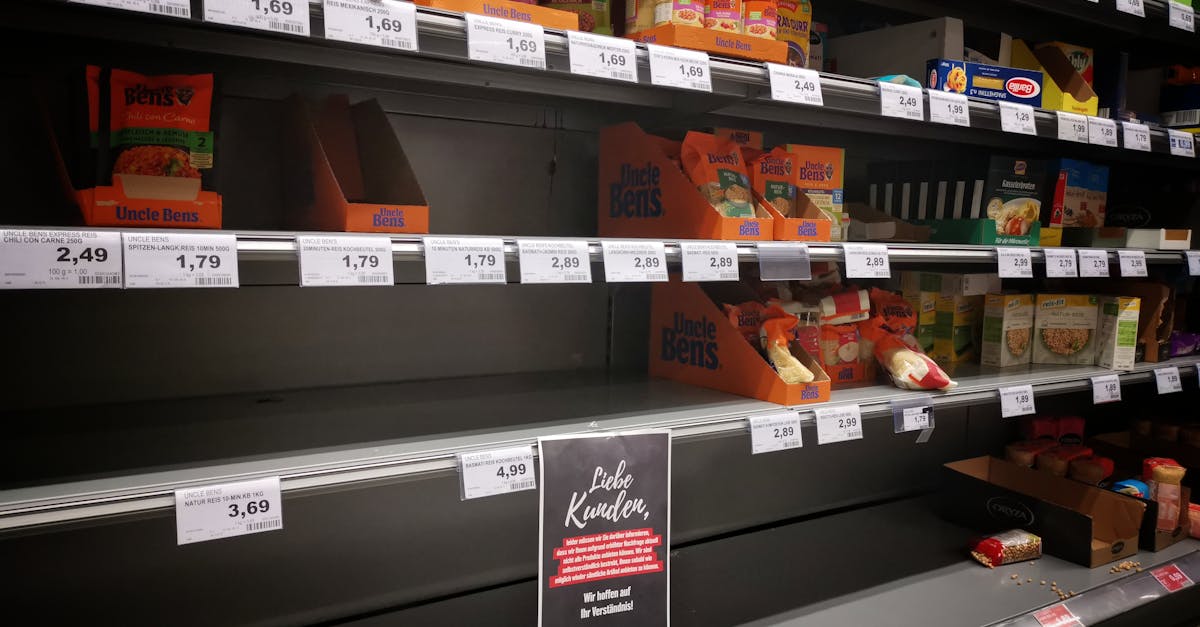
In the consumer price index (CPI), variations are stark. Grocery prices, for example, have seen an average increase of over 5% year-on-year, with staples such as eggs up nearly 30%. For families already contending with tight budgets, such spikes strain financial flexibility. Meanwhile, luxury goods markets continue to thrive, leaving upper-income earners largely unfazed. While top-tier restaurants and high-end retailers report robust sales, the average consumer navigates a grocery aisle that feels increasingly like a minefield.
This tension illustrates a crucial division: the divide between sectors benefiting from the post-pandemic recovery and those still grappling with demand shocks. The real estate market is another area presenting disparities. While home prices have cooled in some regions, affording relief to would-be buyers, rental prices in urban centers remain stubbornly high. Such discrepancies beg the question: which economy is actually recovering?
The Hidden Costs of Inflationary Pressure
Interestingly, beneath the tumult of inflation headlines lies a more subtle trend: the erosion of consumer purchasing power. Adjusted for inflation, average hourly earnings have stagnated, with real wages barely keeping pace. The Bureau of Labor Statistics reports that while nominal wages increased by about 4% over the past year, the actual purchasing power has declined when factoring in sustained inflation.
This wage stagnation has not received as much visibility, partly overshadowed by spectacles of economic revival and stock market vigor. The nuances of living costs versus wage growth create a narrative the mainstream media often bypasses, focusing instead on broad economic indicators that offer little solace to many American families.
Global Comparisons: A Rethinking of Context
Taking a global perspective amplifies the complexities of inflation’s impacts. While the United States battles its own blend of supply chain disruptions and pandemic recovery hangovers, other nations have adopted varied strategies to tackle inflation. For instance, countries in Europe have aggressively leveraged monetary policy, amidst global energy crises, yet have struggled to soothe the inflationary fire. In contrast, Japan faces persistently low inflation, reflecting a different set of economic challenges entirely.
This international tableau raises a crucial inquiry: how resilient is the U.S. economic model in the face of such disparate global standards, and what does this mean for future policy? If American inflation lingers longer than expected, it may signal a need for a reevaluation of how the Federal Reserve and policymakers respond to economic shocks, possibly provoking a more long-term change in strategies globally.
A Fork in the Road: Where Are We Headed?
The next steps in this inflationary journey remain murky. Will policymakers adopt further rate hikes to quell inflation, potentially harming sectors still clawing their way back from the pandemic? Or will a reluctance to reignite recession fears lead to an acceptance of persistent inflation? The question persists as consumers endure clashes of experience against economic indicators, creating a chasm in the public psyche about their financial realities.
The decisive fork ahead is whether America can bridge the gap between those thriving amid inflation and those who feel its throes daily. Without a strategy that recognizes these disparities, the nation risks moving forward without grounding, possibly perpetuating a cycle where the fortunate continue to flourish, and the most vulnerable are left behind.