A Surprising Resilience Amid Rising Prices
Inflation has become a familiar yet complex companion in the lives of American consumers. While the Bureau of Labor Statistics reported an inflation rate of 4.2%, seemingly down from prior peaks, the reality is multifaceted. Individuals expected a relief from exorbitant price increases, but for many, the everyday costs of living paint a different picture. The paradox of perceived stabilization is countered by the persistent squeeze on budgets, revealing that not all price changes are equal across the board.
Dissecting Expectations vs. Reality
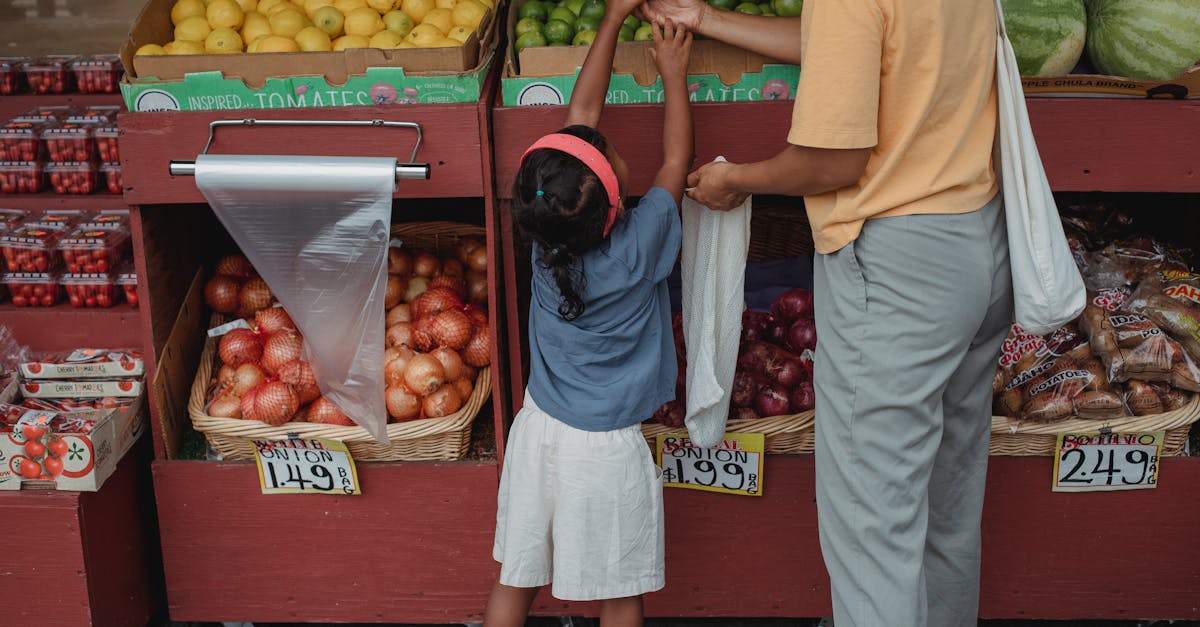
The expectations surrounding inflation often clash with the lived experiences of consumers. For example, food costs have surged dramatically—produce prices are up by 10% year-over-year. Meanwhile, the energy sector, pivotal in shaping household expenses, saw fluctuations that only partly align with overall inflation rates. In urban areas, where housing affordability is critical, rent prices have climbed, contributing to a feeling of perpetual financial strain. This begs the question: Who exactly is benefitting from the supposed moderation in general inflation?
The Hidden Trends in Consumer Spending
Behind the headlines lies a crucial, yet understated phenomenon: the widening gap in consumer purchasing power across demographic lines. High-income households often fare better in this environment. They can absorb rising prices more easily and continue to leverage investments in volatile markets. Conversely, lower-income brackets are increasingly confronted with difficult trade-offs—sparing from frequent grocery visits to choosing between heating or eating. This inflationary environment reintroduces familiar economic realities of class-driven experiences, where winners and losers are clearly delineated.
Unseen Adjustments in Global Context
Comparing the U.S. inflation scenario to international counterparts reveals another layer of complexity. Countries like Germany report similar inflation metrics, but the differences in social safety nets and currency policy create stark contrasts in daily life. American consumers have less protection against price shocks compared to residents of nations with robust social safety nets. Thus, while inflation numbers may resonate similarly across several economies, the lived experiences diverge significantly. Inflation is common; how societies respond to it creates varied landscapes of ease or hardship.
The Fork in the Road: Future Monetary Policy Implications
In the backdrop of these shifting prices lies a broader question regarding monetary policy and expectations. With the Federal Reserve holding interest rates relatively steady, many consumers wonder how long this will last before another recalibration. Fed decisions on interest rates hint at the central bank’s stance on curbing inflationary pressures without stoking further volatility. Amid these deliberations, there is an increasing sense of impatience among those feeling the tangible impact of sustained price inflation.
Earnings vs. Costs: The Balancing Act
The divergence within wage growth against inflation rates complicates the narrative further. While average hourly earnings saw an uptick, rising costs outpace these wage gains, leading to a net decrease in household purchasing power. This erosion echoes the sentiments of many workers—hopes of attaining a higher standard of living are increasingly overshadowed by the stark realities of rising consumer prices.
At this juncture, contrasting experiences within the economy provoke deeper reflections: Are we heading towards a bifurcated economy where inflation locks in disparity rather than equitable growth? The tension between sectors, demographics, and even geographical regions leaves us at a critical crossroad. Will policymakers grasp this moment to initiate a course correction, or will economic disparity continue to grow?
The inflation paradox remains unyielding, and its unraveling could dictate the future of American economic stability. What will the next moves of both consumers and policymakers reveal as the decisive fork on this tumultuous path?