Inflation’s latest reported figure stands at 3.8%, a number that might prompt sighs of relief given the tumultuous peaks of previous years. Yet, this comforting headline obscures a stark tableau of winners and losers, revealing a deeper and more unsettling reality that paints a very different picture. While some sectors bask in operational efficiency and resilience, others struggle under the weight of rising costs—a contradiction that begs scrutiny.
A Mixed Bag of Outcomes
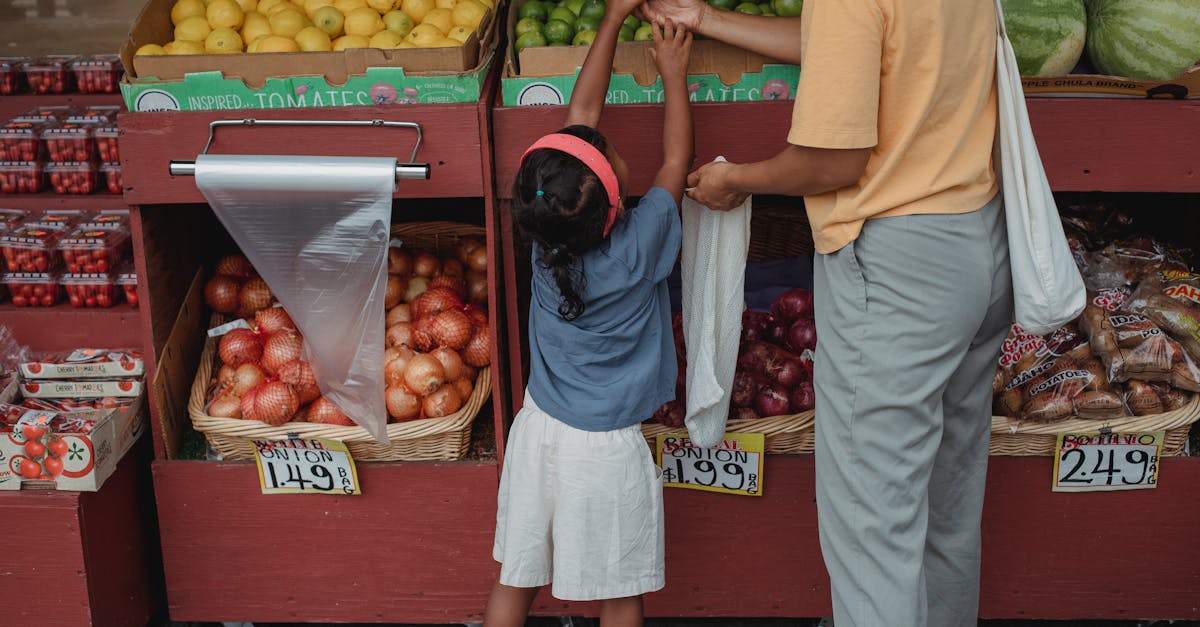
On the surface, consumer prices seem stable, with the 3.8% inflation rate suggesting a moderated atmosphere compared to the staggering heights of 9.1% noted in mid-2022. Yet examining the components reveals a fragmented economy. Not every household feels the same sense of ease. Essential goods have seen movements that flatten the broader narrative: food prices, for instance, remain stubbornly elevated, climbing approximately 5.5% year-over-year as reported by the BLS. Conversely, sectors like technology have seen prices dip, driven by falling demand and new efficiencies—an illustration of the jarring contrasts within the economy.
Geographically, the pain and gain are unevenly distributed. Urban areas, particularly those in the tech epicenters like California’s Bay Area, have displayed a cautious optimism, with rentals stabilizing after a two-year spree of skyrocketing prices. Meanwhile, rural locales, often reliant on agriculture or manufacturing, contend with supply shocks and labor shortages that have exacerbated their inflationary pressures. The uneven pace of recovery highlights a fundamental truth about current inflation: the experience differs significantly based on local conditions and industry focus.
What’s Lurking Beneath Headlines?
Away from the glaring headlines of interest rate changes and economic growth forecasts lies a trend that is quietly reshaping consumer behavior. A noticeable consumer shift towards value-oriented purchases is manifesting itself in everyday spending habits. Despite nominal wage growth—notably stagnant relative to inflation—Americans are increasingly opting for second-hand goods and discount retailers to stretch their dollars. The BLS reports a surge in thrift store revenues, indicating a strategic pivot as more shoppers seek alternatives amid persistent economic pressure.
This behavior hints at a potential normalization of frugality; how long can businesses that thrived on consumer confidence remain buoyant if this becomes a lasting trend? The narrative isn’t just about prices; it’s about the psychological landscape shaping shopping habits, impacting sectors far beyond retail.
A Global Lens on Inflation
While the U.S. grapples with its particular inflationary dance, the international scene presents a markedly different tableau. Many European countries are still battling higher inflation rates—prompting concerns about economic stability on the continent. Germany, for instance, recently reported inflation hovering around 5.7%, yet it does not showcase the same resilience in energy costs as the U.S., which has benefitted from a strategic shale gas revolution. This disparity raises questions regarding policy approaches: how can the U.S. sustain its momentum without succumbing to the pressures seen across the Atlantic?
The variations in inflation rates across different nations provide an intriguing contrast but also pressure U.S. policymakers to juggle between maintaining growth and addressing public sentiment regarding costs.
The Decisive Fork Ahead
As the Federal Reserve flirts with further interest rate adjustments, the looming question remains: will systemic attempts to rein in inflation create unintended consequences? The divergence between sectors, consumer behavior, and international trends paints an uncertain future. The very fabric of the economy may be at a fork in the road; will the frugal habits observed take root permanently, or will traditional consumer confidence return, only to usher in another bout of inflationary pressures?
The upcoming months could reveal whether the U.S. economy can find balance amidst disparity, or if regions and industries will continue to experience inflation as a defining, divisive force. The implications stretch far beyond mere percentages on a report; they enter the lives of everyday Americans trying to navigate a complex economic landscape.