The Inflation Paradox
Despite lingering concerns about inflation, which settled at 4.2% in the latest report from the Bureau of Labor Statistics, there’s an unsettling contradiction in the consumer psyche: many people feel that their buying power is steadily eroding even as aggregate inflation figures appear to stabilize. While the headline number suggests a moderation in price growth, the lived reality for households tells a very different tale.
Silver Linings in Dark Clouds
Take, for instance, the real estate market versus the tech sector. The housing market remains buoyant, with prices soaring due to continued low inventory and high demand. A recent report by the Federal Housing Finance Agency shows an increase of nearly 10% year-over-year in certain regions, primarily driven by urban revitalization and demographic shifts following the pandemic. Conversely, the tech sector, once seen as invincible, is grappling with its own inflationary pressures. The rising costs of materials and labor have led to layoffs among major players, shocking many into a re-assessment of the future. This stark divergence highlights the uneven recovery and raises questions: who really benefits in this economy?
The Silent Squeeze on Households
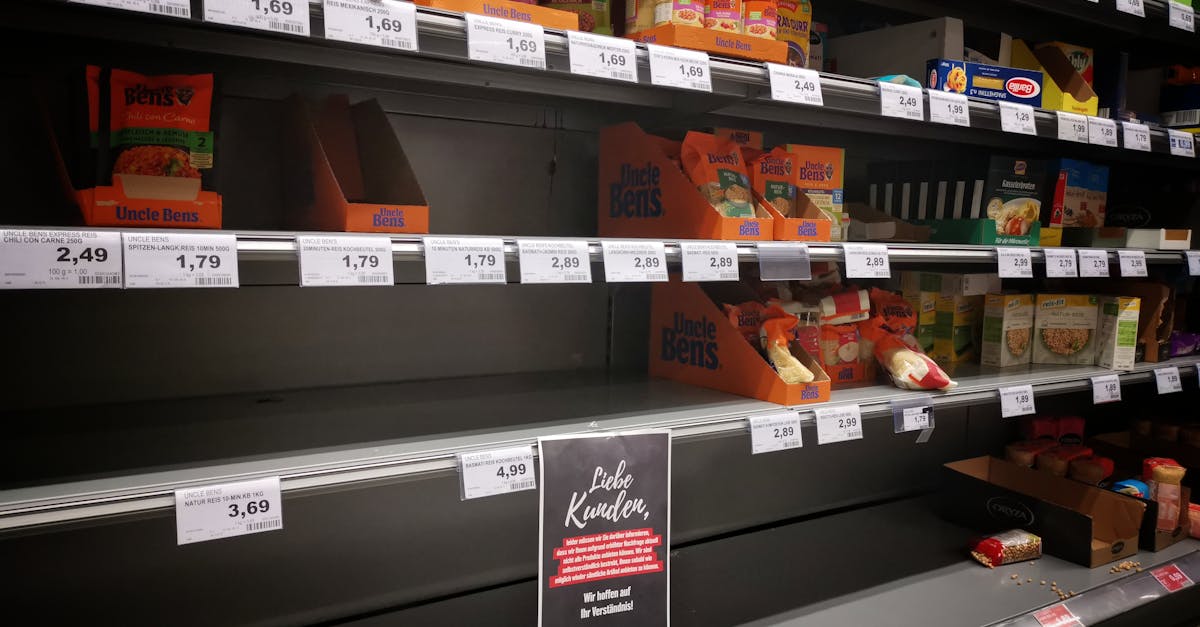
Amidst headlines of inflation easing, the nuances behind the mask reveal a grimmer picture for many. Grocery prices continue to climb, with the BLS reporting that food costs are up nearly 6% over the past year. While consumers may celebrate a drop in energy prices, the basic staples of life are becoming a larger burden—especially for lower-income households where disposable income is already stretched thin. These households find themselves caught in a relentless squeeze as essentials take a greater share of their limited budgets.
Global Comparisons and Domestic Disparities
What adds fuel to the fire is the international context. The eurozone faces inflation at similar levels but with distinct strategies, including the European Central Bank’s aggressive rate hikes. In Japan, stagnation humorously contrasts our struggles, but this complexity exposes a critical insight: the U.S. economy operates not just in domestic isolation but in a web of broader economic forces. As the dollar remains strong against other currencies, American exports are less competitive, further complicating the recovery narrative. This interconnectedness begs the question—how insulated is our economy from the shocks and cycles experienced by our trading partners?
Are We Blind to the Shifts?
A less-discussed facet of inflation is the psychological impact on consumer behavior. As inflation continues to influence purchasing decisions, there’s a behavioral shift occurring beneath the surface. Consumers, increasingly cautious, are trading down to cheaper brands and options, with mid-tier goods struggling to maintain market share. This shift goes beyond surface discounts; it affects brand loyalty and could redefine the market landscape in the long run. Are manufacturers aware of the brewing transformation in consumer habits that isn’t captured in traditional metrics?
The Defining Fork Ahead
Navigating this intricate landscape of inflation reveals a multitude of pathways, both promising and perilous. Will consumers adapt to the creeping cost of essentials, or will persistence lead to a seismic shift in the economy’s structure? With inflation running at 4.2% and the specter of a possible recession looming, the decisions made now will carve the future of the U.S. economy. Will policymakers throttle back on support to combat inflation, or will they double down to cushion the most vulnerable? The coming months will illuminate these choices. As fresh data flows in, we must ask ourselves: will the current landscape catalyze real change, or is it merely a temporary illusion in a complex game of economic chess?