A Family’s Dream Vacation
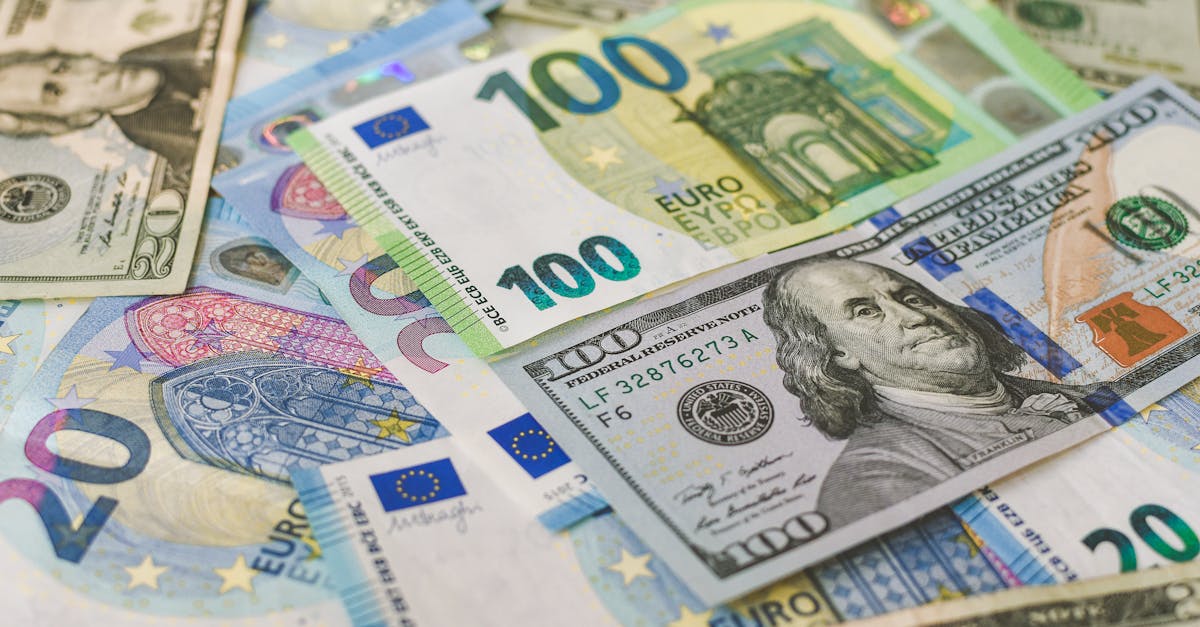
Imagine the Johnson family, excitedly mapping out their European vacation. With flight bookings and hotel reservations almost complete, they pause to reflect on one pressing issue: the exchange rate between the US dollar and the euro. This simple conversion has an unexpected power over their plans. The current exchange rate sits around 1.10 dollars per euro, meaning that every euro they spend translates to roughly $1.10. As they calculate, the anticipated expenses suddenly feel inflated, especially when considering the current inflation rate of 3.3% in the U.S.
The Johnsons foresee $5,000 earmarked for a week of sightseeing, dining, and souvenirs. However, factoring in the exchange rate means their budget could dwindle much faster than they imagined, especially after adjusting for rising prices back home.
The Numbers Behind Feelings
The Federal Reserve’s interest rate, currently at 3.64%, indirectly influences the exchange rate dynamics as well. Higher interest rates can lead to a stronger dollar as investors seek higher returns in U.S. assets. However, as travelers like the Johnson family know too well, a stronger dollar relieves some financial pressure on their overseas spending — making their euros worth a bit more. Still, there lies uncertainty; currency values fluctuate daily.
In December alone, the Euro weakened around 0.5% against the dollar. Simple math reveals that, for the Johnsons, a stronger dollar translates to buying power. If the currencies were to shift in their favor before their trip, that spending power could stretch, giving them extra wiggle room for activities they might have shelved.
The Ripple Effect of Exchange Rates
Further complicating the Johnson family’s budgeting adventure is the broader economic landscape, notably the 4.3% unemployment rate, which reflects a healthy job market. This robust labor market might encourage them to spend more confidently. After all, when parents feel secure in their jobs, they are more inclined to invest in experiences like travel. But that same confidence can be easily shaken by fluctuations in the dollar’s performance overseas.
As the Johnsons sift through a myriad of travel brochures and online reviews, they remain acutely aware of their decision’s impact on local economies. A stronger dollar is a boon for Americans traveling abroad, while it might challenge European locals whose currencies are worth less by comparison. If their overseas spending fits snugly within budget, patrons in cafés and shops will feel the brunt of their financial power when the Johnsons splurge a little more than planned.
The Long-Term Impact of Currency Values
As they finalize their itinerary, the Johnson family reflects beyond just the immediate trip, considering the long-term implications of exchange rates for their savings and spending habits. If they opt for a less expensive hotel in Barcelona to maximize their dollar—or simply choose to try local street food instead of fine dining—these choices are influenced by their understanding of currency value.
After all, being mindful of exchange rates isn’t merely about crunching numbers. It’s about enhancing the travel experience while simultaneously respecting the cultures and economies they encounter. Each meal savored and each ticket purchased is a choice influenced not only by personal preference but also by the broader economic currents that govern their day.
Coming Full Circle
When the Johnson family finally boards their plane bound for Europe, they carry with them far more than souvenirs; they are equipped with a nuanced understanding of how exchange rates can color the contours of not just their vacation but their broader financial well-being. The interplay of currencies will influence the memories created amidst the bell towers of Florence and the canals of Venice. For the Johnsons, those exchange rate ripples are felt in every dollar spent and every new experience embraced.