A Family’s Dream Vacation
Julie and Marcus Thompson, a family of four from Denver, had finally decided to take the trip of a lifetime to Europe. With their summer vacation fast approaching, they meticulously planned their itinerary, highlighting stops in Italy, France, and Spain. As the couple balanced spreadsheets of travel costs with their bank statements, they suddenly faced a plot twist in their well-laid plans: the value of the Euro against the dollar was shifting.
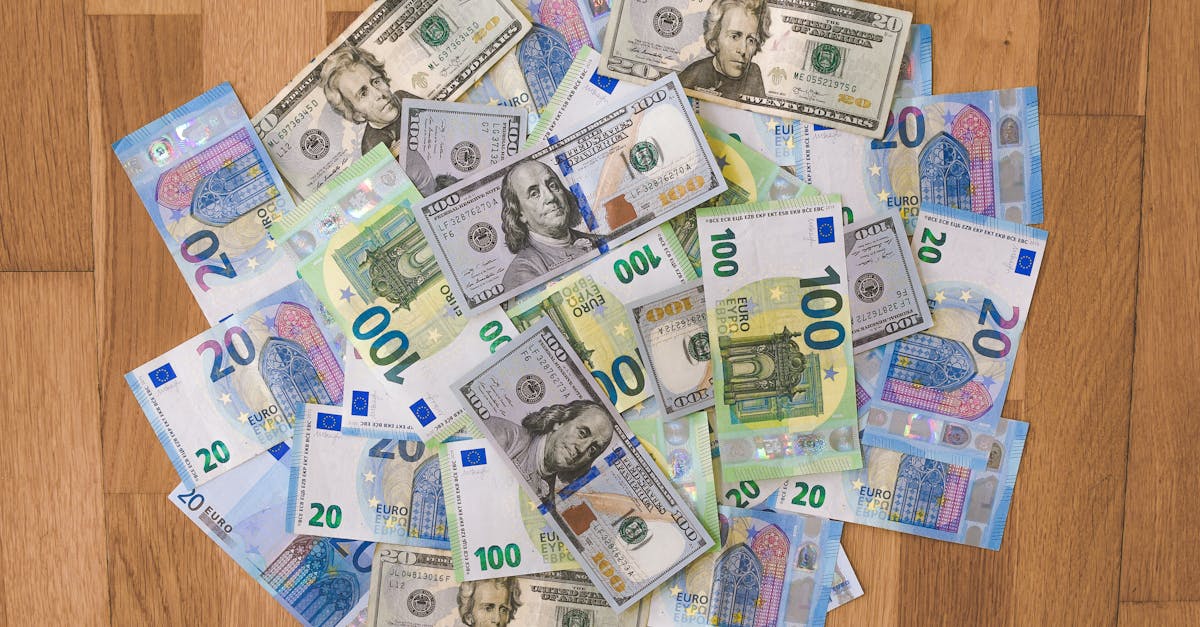
One morning while enjoying their coffee, Julie opened her laptop to check the current exchange rate. The dollar had dipped to $1.09 for every Euro, compared to $1.03 just a month prior. This change, while seemingly small, meant that their planned budget of $4,000 for spending money had now translated into a loss of purchasing power of roughly $240. This amount felt particularly impactful given the family’s desire to indulge in gelato in Florence and pastries in Paris.
The Economic Shapes Behind the Numbers
For the Thompsons, the soaring Euro not only altered their travel plans but also ushered in an awareness of the sensitive interplay between exchange rates and everyday life. Behind these numbers lies a world shaped by broader economic forces, such as inflation and interest rates. As of February 1, inflation in the United States stood at 2.4%. The cost of everyday goods—for everything from groceries at home to souvenirs abroad—was gradually climbing.
On the other side of the equation, the unemployment rate at 4.4% indicated a tight labor market, perhaps contributing to the rising prices consumers were experiencing. With wages attempting to keep pace with inflation, it was becoming increasingly clear that each dollar was being stretched thin. This economic backdrop had consequences for families like the Thompsons as they scrimped and saved not just for vacations, but for regular expenses.
And let’s not forget about interest rates; currently sitting at 3.64%, they played a critical role in overall economic sentiment. For the Thompsons, their savings account yielded a modest return, but with inflation eating away at the real purchasing power of those savings, every dollar in the bank felt like a dwindling resource.
Unexpected Ripples from Global Waters
Many might wonder whether these shifts in exchange rates affect only the avid traveler or those conducting international business. In reality, this fluctuation sends ripples through various sectors. Consider American companies that export goods to Europe; as the dollar weakens, their products become cheaper for overseas buyers. This could boost profits and potentially drive job growth domestically.
However, for Julie, Marcus, and countless everyday Americans, these same fluctuations can mean scrapping extra expenses or altering vacation destinations. From deciding to skip that wine tour in Bordeaux to seeking budget accommodations in Rome, the rising Euro has become a stark reminder of how interconnected our world is.
Full Circle on Family Plans
As the Thompsons finalized their travel itinerary, they found themselves weighing the value of their hard-earned dollars against ever-changing currencies. The family managed to secure a favorable rate for part of their travel money, but they knew they’d need to stay sharp and vigilant as their trip approached. The dream vacation was still on, albeit with a few adjustments to make it more financially feasible.
By keeping an eye on the surrounding economic landscape, the Thompsons learned to navigate the complexities of foreign exchange, inflation, and interest rates—all factors interlinked in a broader economic narrative. For them, the excitement and anticipation of their summer in Europe remained intact, but it was equally clear that the unpredictable nature of currency values could throw a wrench in the best-laid plans.
In the end, whether it’s a vacation, everyday shopping, or larger financial decisions, families across America will continue to feel the ebbs and flows of currency and economy—one dollar at a time.