An Astonishing 14.8%
The U.S. housing market is experiencing an extraordinary upswing, with home prices climbing by 14.8% year-over-year as of August 2023, according to the Federal Housing Finance Agency. This unprecedented rise is set against the backdrop of the Federal Reserve’s aggressive monetary policy aimed at combating inflation, creating a paradoxical scenario where borrowing costs soar even as market prices leap.
The Broader Economic Landscape
Inflation remains a pressing concern, with the Consumer Price Index increasing by 3.7% from September 2022 to September 2023, as reported by the Bureau of Labor Statistics. Coupled with the Fed’s aggressive rate hikes—averaging 5.25% for federal funds—many prospective homebuyers are facing a double whammy. High prices deter new purchases while elevated mortgage rates, averaging 7.75% for a 30-year fixed loan, pinch household budgets.
Renter’s Dilemma
Housing shortages exacerbate the situation, with the National Association of Realtors estimating a shortage of 4 million homes. For renters, this environment translates to skyrocketing costs; national median rent surged to $2,060 in July, a 9.3% increase from the previous year. This steep climb puts mounting pressure on those without the means to buy, leading to a potential wave of evictions as struggling families face rent burden.
The Impact on First-Time Buyers
For first-time homebuyers, entering this market has never been more daunting. A young couple earning a median income of around $70,000 could expect to need nearly 30% of their gross income to afford an average monthly mortgage payment. This financial crunch discourages many from taking on long-term liabilities, forcing households into prolonged renting periods, further inflating rental prices.
Suburban Exodus
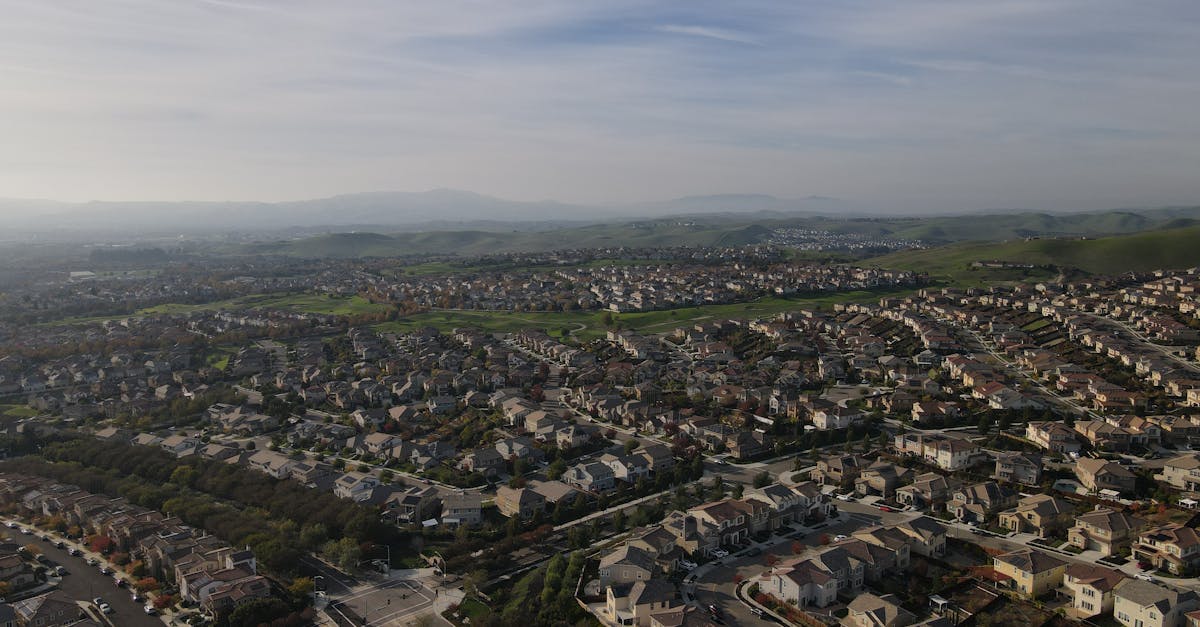
Interestingly, the patterns are also revealing a shift in preferences. Many buyers are opting for suburban homes over urban living, driven by remote work trends. Areas outside metropolitan hubs like Austin and Phoenix are experiencing a notable influx, causing those markets to heat up even faster, with price increases as high as 20% in certain neighborhoods. Buyers are now vying for properties that once seemed out of reach, insatiably fueling competition.
Future Unpredictability
The housing market stands at a precarious junction. While some analysts speculate a softening of price growth as the Fed navigates monetary policy, others suggest persistent demand coupled with limited supply will keep prices high for the foreseeable future. Thus, for many, the hope of homeownership remains just that—hopeful, but laden with uncertainty.
Closing Thoughts
Amidst the whirlwind of rising prices and interest rates, the path forward for housing in the U.S. is fraught with complexity, making it essential for both buyers and renters to stay informed on market conditions and policy developments.