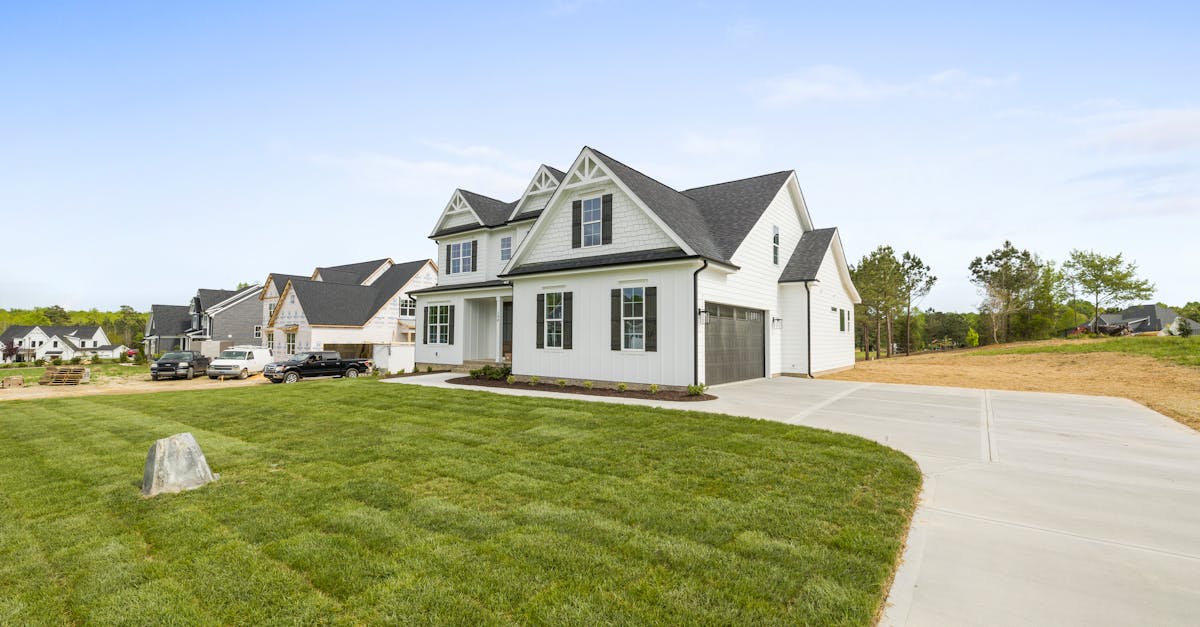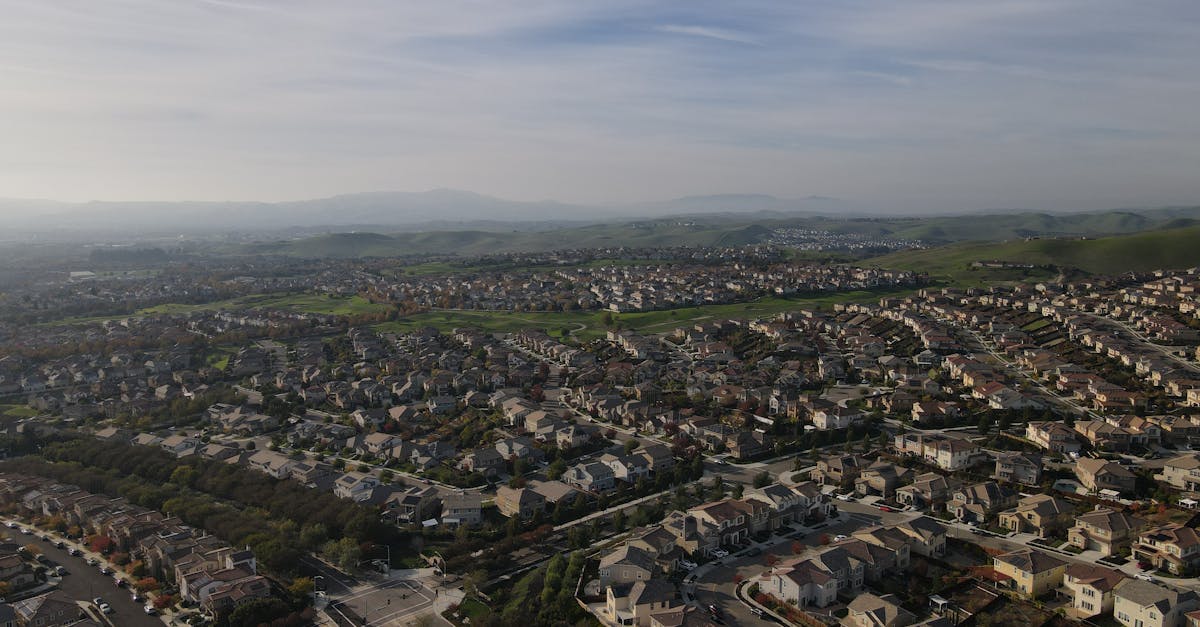
Amid ongoing fluctuations in the U.S. economy, home prices have surged by a staggering 7.1% year-over-year, hitting a median price of $404,000 in August according to the National Association of Realtors. This escalation is fueled by persistent low inventory, coupled with a steady demand from buyers feeling the urgency of rising interest rates.
As the Federal Reserve continues its effort to temper inflation with interest rate hikes, the 30-year fixed mortgage rate has soared to 7.34%, as reported by Freddie Mac. This represents the highest level since 2001, a clear signal that potential buyers are facing an uphill battle just to get their foot in the door of homeownership.
The housing market is currently a tale of two cities: buyers are scrambling, but many are being forced into the sidelines as monthly payments balloon. For a $404,000 mortgage at current rates, the monthly obligation exceeds $2,800—up from roughly $2,200 last year. A significant jump that exacerbates affordability crises, especially for first-time buyers who often rely on lower entry prices.
While the overall economy shows some resilience with a 2.1% GDP growth in the second quarter, the housing sector paints a more nuanced picture. Sales of existing homes fell for the seventh consecutive month, reflecting not just buyer fatigue but also the constraints imposed by elevated borrowing costs. The total home sales decreased 0.7% in August, indicating that fewer people are willing to navigate this challenging landscape.
Moreover, the inventory of homes for sale remains stagnantly low, hovering around 1.1 million units nationwide. This is down approximately 12% from last year, reflecting a lack of new construction in previous years combined with an unwillingness from many homeowners to sell and lock in higher-rate mortgages when they could have locked in lower rates.
The implications for urban centers are particularly striking. Cities like San Francisco and New York are witnessing higher price resilience due to job growth, despite national trends suggesting declining sales. As of August 2023, San Francisco’s median home price sits at about $1.8 million, a testament to how localized labor markets can withstand nationwide pressures.
Investors and institutional buyers are playing a larger role amidst this environment, scooping up properties and driving down the number of available homes for traditional buyers. In the second quarter, investors accounted for 19% of total home purchases, showcasing a significant pivot in the market dynamics that could have long-term repercussions on affordability.
Homeownership rates among young adults, a critical demographic for long-term market health, have dropped significantly; rates for those under 35 are lower than in the last decade. The dream of homeownership is slipping from the grasp of an entire generation as savings erode in an inflation-laden economy, further exacerbated by high housing costs.
As this dynamic unfolds, the Federal Reserve’s policies will continue to shape housing conditions. The balance between controlling inflation and sustaining homeownership is delicate, and prospective buyers await clarity that has been elusive amid rapid shifts in economic policy. The next chapter in this housing saga will likely revolve around the intersection of interest rates and buyer sentiment, shaping the future landscape of American homeownership.