A Record High of $403,800
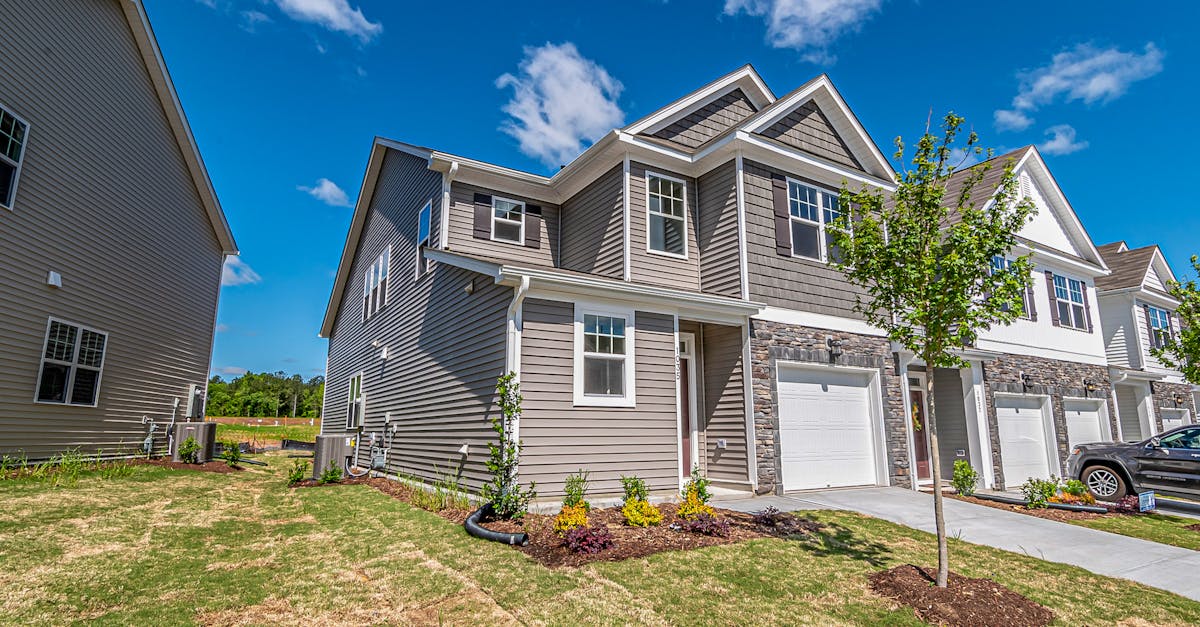
The median price for an existing home in the U.S. now stands at a staggering $403,800, marking a full 14% increase from last year. This escalation mirrors the tight inventory, with homes for sale dipping by roughly 22% over the past 12 months, contributing to the soaring prices. As demand continues to outstrip supply, the housing market presents both challenges and opportunities for a range of buyers and investors.
The Economic Context
To better understand the implications of these house prices, it’s crucial to examine the broader economic landscape. Although the U.S. economy added 336,000 jobs in September 2023, the unemployment rate remains at 3.8%, suggesting a mixed outlook for consumer confidence. The Federal Reserve has raised interest rates multiple times in an effort to curb inflation, now settling at 5.25% to 5.50%, pushing the cost of borrowing higher. Higher mortgage rates dissuade many potential buyers, yet those who can afford to purchase continue to drive prices upward, creating an economic paradox.
Buyers and Sellers in a Tight Spot
With demand unaffected by rate hikes among certain demographics—particularly millennials—who, driven by household formation pressures, seek homeownership, the market shows no signs of easing. Buyers are facing not only increased costs but also fierce competition, as 34% of homes sold in September faced multiple offers. This competitive landscape forces many would-be homeowners into rental markets, wherein the average rent has leaped by about 7% year over year nationwide.
Regional Disparities in Housing Prices
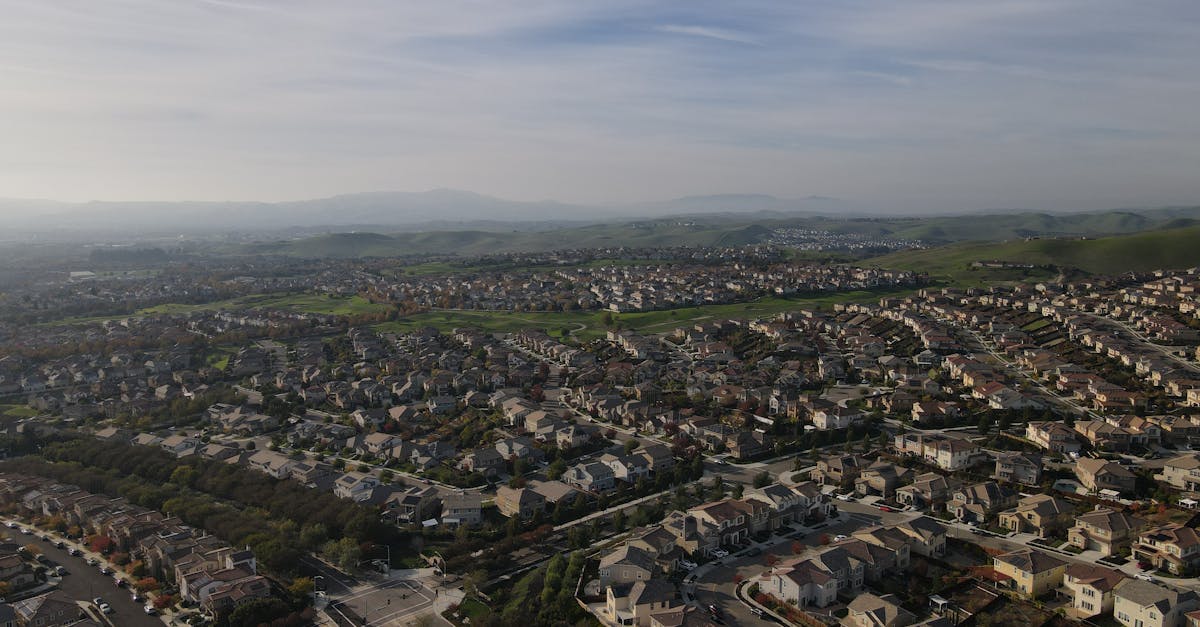
Diving deeper reveals regional disparities that add layers of complexity to the situation. In cities such as San Jose and San Francisco, median home prices have eclipsed $1.5 million, while areas in the Midwest and South, like Indianapolis and Jacksonville, still offer homes under $300,000. Moving to smaller cities or suburban areas increasingly becomes a consideration for buyers priced out of traditional markets, illustrating shifting preferences amid economic headwinds.
Rental Markets: A Growing Challenge
The tight housing market drives many renters into an increasingly crowded rental space, where the national vacancy rate has plummeted to about 6.6%. Rising rent burdens are reshaping personal finances for millions of Americans, with monthly rent payments consuming nearly 30% of a typical household’s income, siphoning resources from savings and other expenditures. For households that are unable to enter the housing market, hefty rental costs intensify economic pressures, especially for low- and moderate-income earners.
The Road Ahead
Looking forward, housing prices may continue to remain elevated as the Federal Reserve balances its efforts to tackle inflation with the need to support economic growth. Tight inventory levels combined with persistent consumer demand likely mean that high prices might become the norm rather than the exception. This evolving landscape underscores the need for potential buyers, renters, and policymakers alike to adapt and strategize moving forward.