A Flourishing Bakery’s Dream
Imagine the Nguyen family, owners of a small bakery in suburban Philadelphia, bustling through a busy Saturday morning. As the smell of fresh pastries wafts through the air, Mrs. Nguyen thinks about her latest order for organic flour, sourced from a local grain cooperative that imports its wheat from Canada. While the family’s specialties, like almond croissants and matcha muffins, bring joy to their community, a larger economic story unfolds around them—one directly influenced by the intricacies of trade balance and exports.
Every time the Nguyens purchase that organic flour, they contribute to a much larger narrative. The U.S. trade balance recently printed a deficit of $70 billion, a figure that highlights the ongoing tug-of-war between imports and exports. In the story of Mrs. Nguyen, this balance affects everything from ingredient costs to the prices customers pay at the counter. The imported flour signifies a requirement for the bakery to navigate the complexities of trade agreements and tariffs, and those adjustments impact their bottom line.
Who’s Buying What?
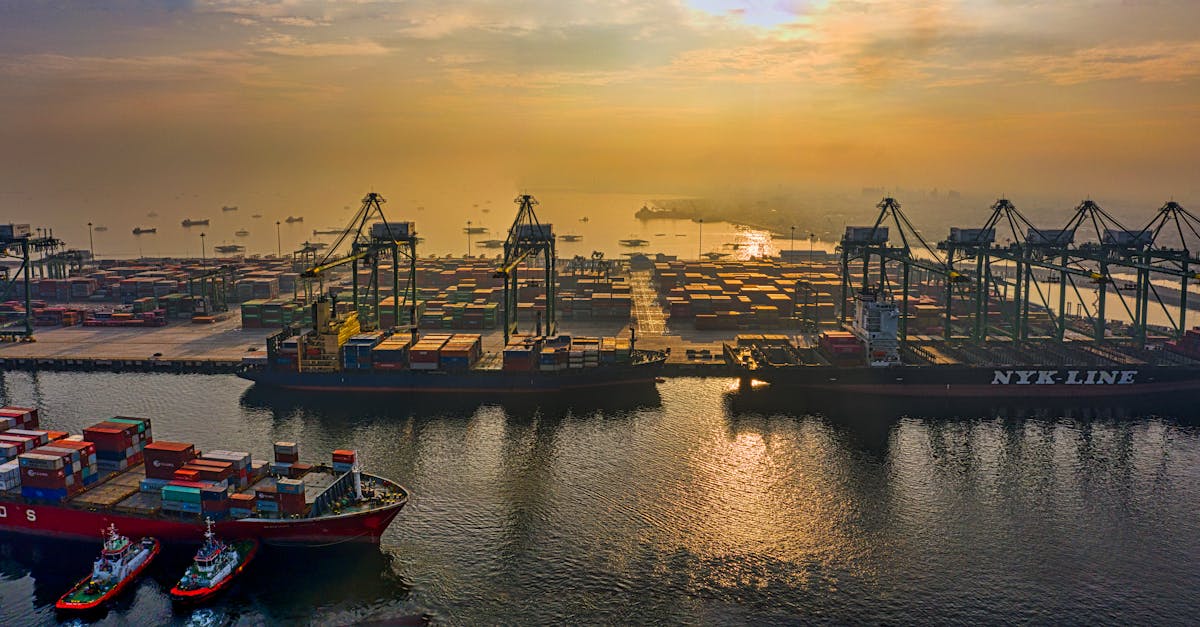
As the Nguyens check off their grocery list, it’s crucial to understand that trade deficits aren’t globally one-sided. The United States has seen its exports grow, with total goods and services exports reaching about $260 billion this year. This figure isn’t just a number; it’s an infusion of cash into the economy. It signals demand for American-made products ranging from machinery to high-tech equipment.
For instance, a company in Indiana, known for its innovative agricultural technology, recently signed contracts with clients in Europe. This export agreement not only bolsters the firm’s revenues but also enhances the Nguyens’ economic landscape. When those exports increase, it creates a ripple effect that often strengthens local economies. Imagine that every $1 billion increase in exports supports about 7,000 jobs. So, as more foreign clients order American goods, the Nguyen family stands to benefit indirectly by being part of an economy that thrives on global trade.
Local Impacts of Global Tides
Back at the Nguyen bakery, every ingredient is sourced with care. Mrs. Nguyen knows that fluctuations in trade balance affect raw material prices. Last year, with supply chain disruptions due to geopolitical tensions, imported ingredients like flour became pricier. This compelled the family to tweak recipes and adjust their pricing. With the current state of exports opening doors abroad—the U.S. exports nearly $100 billion worth of agricultural products annually—demand for homegrown ingredients remains high. This year, the USDA estimates that agricultural exports will remain robust, projected to exceed $170 billion. Each purchase at the bakery echoes this thriving agricultural sector.
The local economy breathes a little easier when exports flourish. Increased demand for American products translates to more jobs and potentially better wages. The story of Mrs. Nguyen and her bakery reflects the interconnected nature of our economy—where her family’s livelihood resonates with larger patterns in international trade.
Bringing it Full Circle
As the day winds down and families enjoy their pastries, the Nguyens find themselves reflecting on the delicate balance of trade. Their situation serves as a microcosm of a broader economic framework, connecting everyday consumers to global events. The fluctuations in the trade balance shape not only the cost of goods but drive home the importance of exports that fuel local businesses.
When Mrs. Nguyen thinks about her next order of organic flour, she considers more than just ingredients: she envisions a thriving community supported by a resilient economy that reaches beyond borders. With exports continuing to play a crucial role, families like the Nguyens will often hold the pulse of a global economy in their hands, one pastry at a time.