From Cornfields to Classrooms: The Journey of American Exports
Imagine a small family farm nestled in the heart of Iowa. The Johnsons have tended to their cornfields for generations, cultivating their crops with care. In a particularly bountiful year, they harvest 200,000 bushels of corn — a significant yield from their 150 acres. This year, though, the stakes feel a bit different. While the local market has its customary buyers, the Johnsons are keenly aware of a bustling global demand. With their eyes on international markets, they’re realizing how interconnected the world has become, and more importantly, how their small farm feeds not just their community but also families around the globe.
As of late 2023, U.S. exports have reached impressive heights, totaling $254 billion in August alone, marking a remarkable year-on-year increase. For the Johnsons, that surge in exports means that their corn could soon make its way to the shores of South Korea, thereby supporting the livelihood of local farmers while enhancing a foreign family’s dinner table. This isn’t just a grain of corn being shipped; it’s a piece of American ingenuity traveling across borders.
Trade Balance: The Ripple Effect
However, the picture of America’s trade balance is not just crafted by the efforts of farmers like the Johnsons. The broader canvas reveals complexities. In August, the goods and services trade balance stood at -$66.2 billion, a figure that tells a deeper story about how much more the U.S. imports than it exports. Each dollar represents a choice made by both businesses and consumers—choices that intertwine with the economic fabric of the nation.
Consider Melissa, an educator in Seattle. While her work and income are grounded in the local economy, the appliances and textbooks she uses are often imported. The trade deficit informs prices and availability; more imports can create competition that keeps costs lower but often results in a tougher landscape for domestic producers. According to the Bureau of Economic Analysis, the services sector, which includes education, is a bright spot with exports valued at $88 billion per month, even as goods show a stark deficit.
The Global Marketplace: A Double-Edged Sword
What does this mean for an American workforce? As companies like Boeing and Apple ramp up export efforts, jobs in sectors reliant on international trade expand. In August, exports of goods like machinery and technology climbed, reflecting a pivotal transition towards a high-tech economy. Exports in industrial supplies rose by an impressive 3.2% from the previous month, bringing back the essence of American craftsmanship returned to the global marketplace. But for every success story, there lurks the specter of competition, which can jeopardize jobs in sectors struggling to compete with foreign labor—especially in manufacturing.
Where Families and Trade Intersect
Back to the Johnsons: Thanks to increased demand abroad, they designate 50,000 bushels for export. This decision can make or break their family’s budget. Each sale represents not merely profit but also the potential for reinvestment in their farm, allowing them to purchase new equipment or afford higher education for their children.
On a larger scale, the impacts of exports translate into broader economic opportunities, too — they stimulate job growth and foster innovation back home. Yet, amidst the waves of export booms and trade deficits, the Johnsons—and families like theirs—must navigate an economic environment defined by both possibility and challenge.
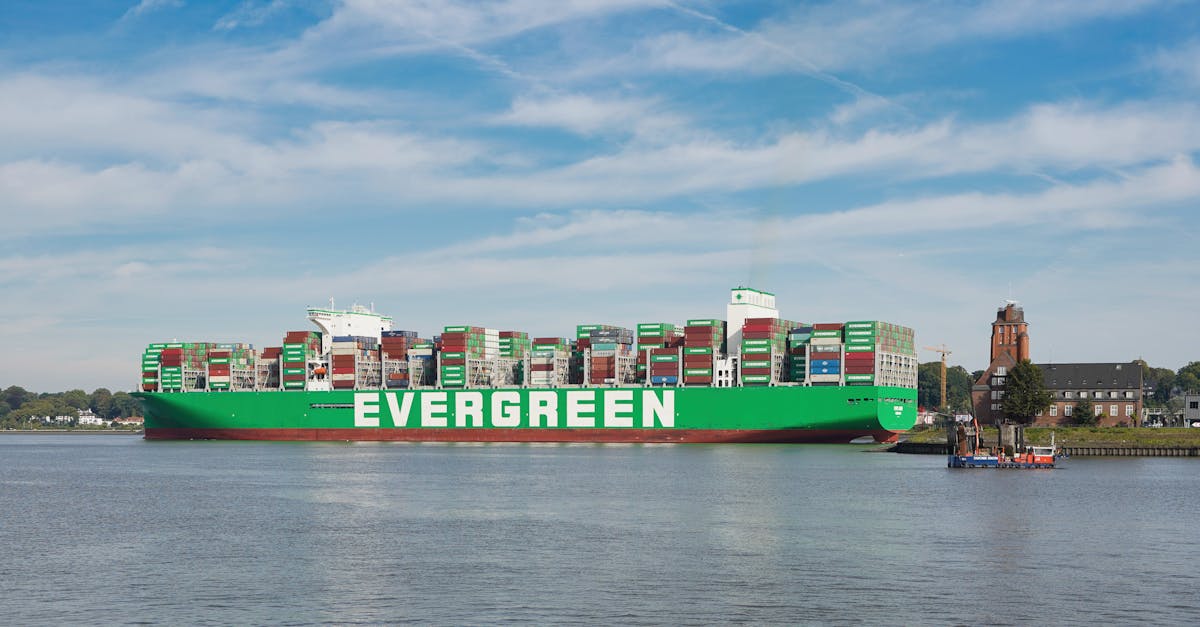
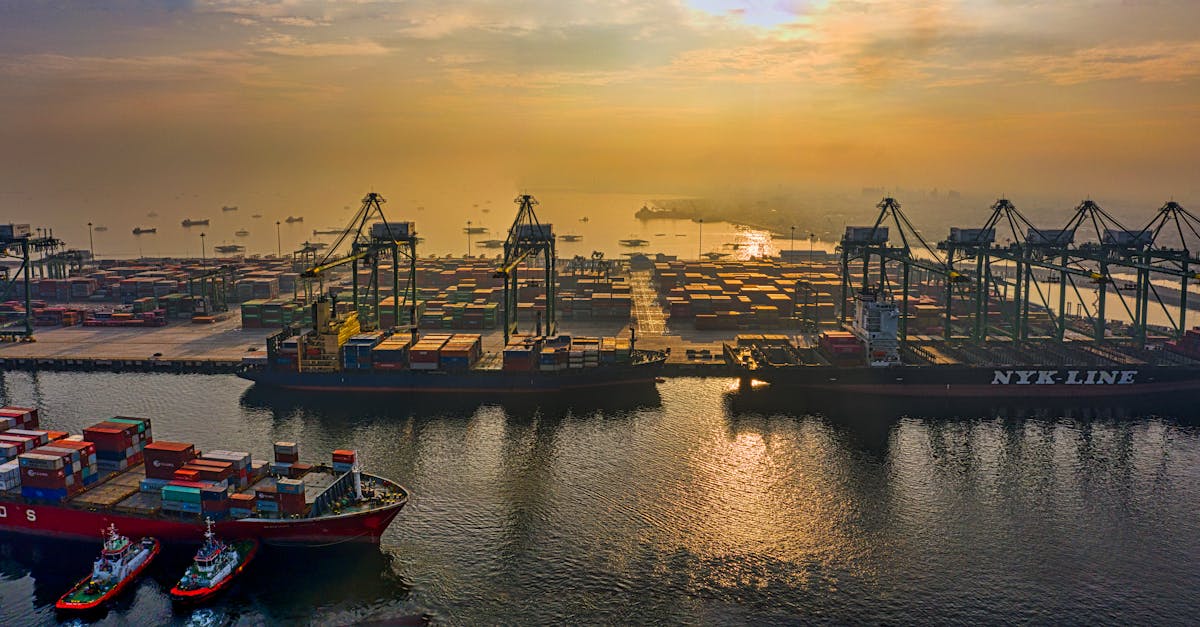
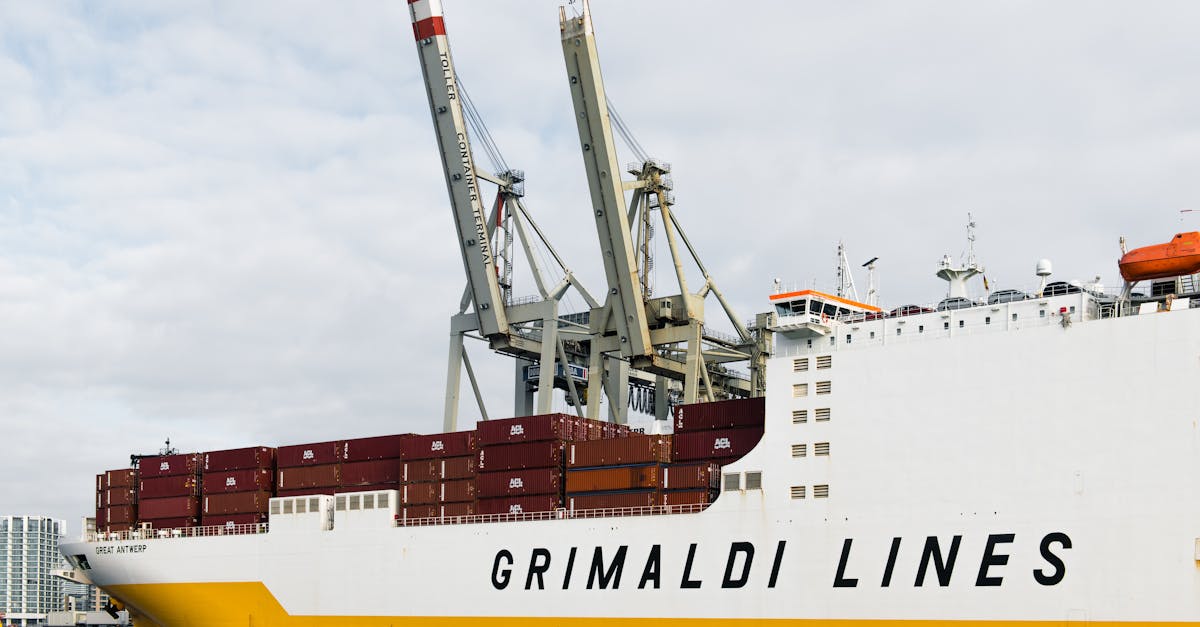
The Johnsons embody the spirit of American enterprise: adapting to the nuances of a changing marketplace. As they roll their corn into waiting freight containers headed for distant ports, they know they’re part of a larger narrative—one shaped by numbers and policies that weave through the tapestry of global trade while affecting daily life across the states. In their small way, they are feeding not just communities but a world that depends increasingly on American exports.
Every statistic carries a story, echoing through the fields of Iowa straight to classrooms in Seattle, revealing the interdependence of lives tied together by trade.