A Family’s Dinner Table Discussion
Picture a typical Thursday evening at the Garcia household in suburban Texas. With two kids tucked away in their rooms studying, Maria and Daniel sit at the kitchen table, discussing their family’s monthly budget. As they pass the grilled chicken and fresh salad, the conversation takes a turn toward the economy—specifically, how the recent fluctuations in trade balance could affect their household.
Maria, a middle school teacher, recalls reading about how the trade deficit reached $74 billion in August. That number, staggering by any standard, translates to a loss of potential jobs and income in her community. In her mind, it’s not just a statistic; it’s about the future opportunities for her children. The trade gap for the United States has been widening, driven predominantly by imports, which outweigh exports significantly. August’s import numbers soared to $344 billion, marking the persistent challenge of making American products competitive on the global stage.
When Exports Come to the Table
Meanwhile, Daniel, a small business owner who crafts custom furniture, pipes up. His recent orders from overseas customers have given him a different perspective. He mentions how his export sales have surprisingly increased this year, with a 6% rise reported by the Bureau of Economic Analysis. His latest shipment to a clientele in Canada truly highlights the interconnectedness of economies. Although it seems distant, that $300 trillion furniture industry thrives on foreign demands, reinforcing the importance of a balanced trade environment.
The couple reflects on new tariffs levied on imported wood, which could pinch their budget; if it goes up, so will the prices for the furniture they source materials from, causing Daniel to rethink where he gets his supplies. This is more than a problem for a business; it’s about a family’s financial health navigating through complex trade relations.
The Children’s Future in a Global Marketplace
While their conversation drifts into lighter topics, both Maria and Daniel can’t shake the economic realities they face. The trade balance directly impacts their children’s prospects. Maria wonders aloud about the implications of worker productivity, stating that while productivity increased significantly—nearly 3% over the past year—wage growth remains disappointingly stagnant, a factor that weighs heavily on their household budget.
This stagnation is not merely an abstract concept; it translates into fewer resources for extracurricular activities or even a family vacation. Trade policy can have far-reaching effects on employment in sectors like manufacturing. As Americans eagerly consume foreign goods, they risk losing touch with domestic job creation—important when considering how Daniel’s craft could be affected by a pre-existing trade imbalance.
Unpacking the Trade Package
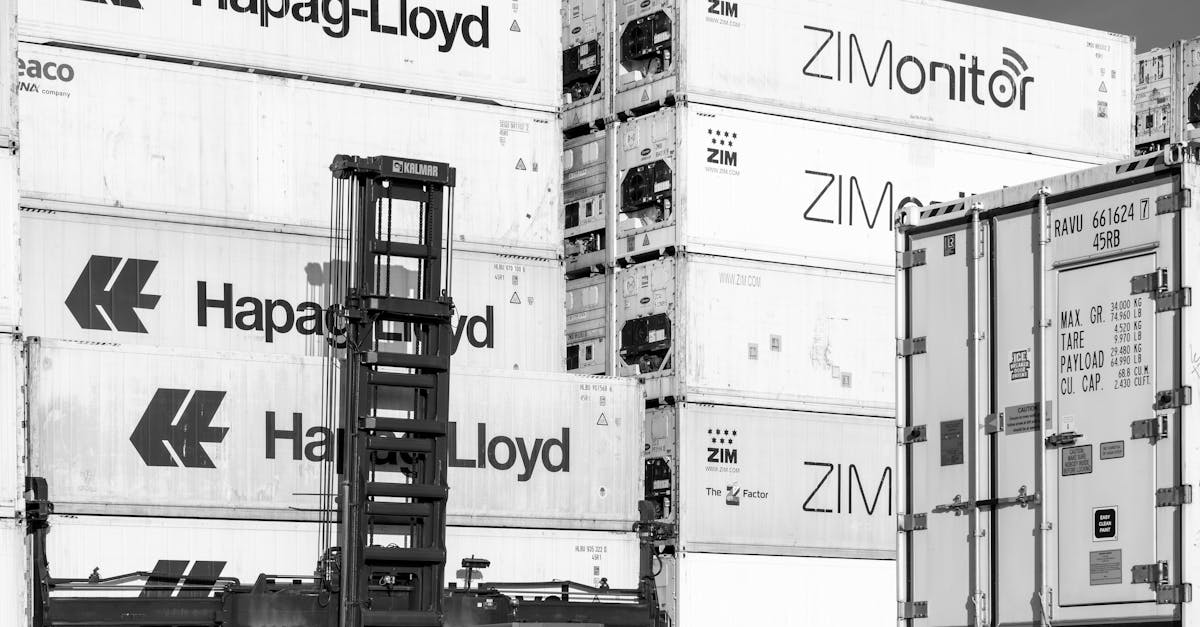
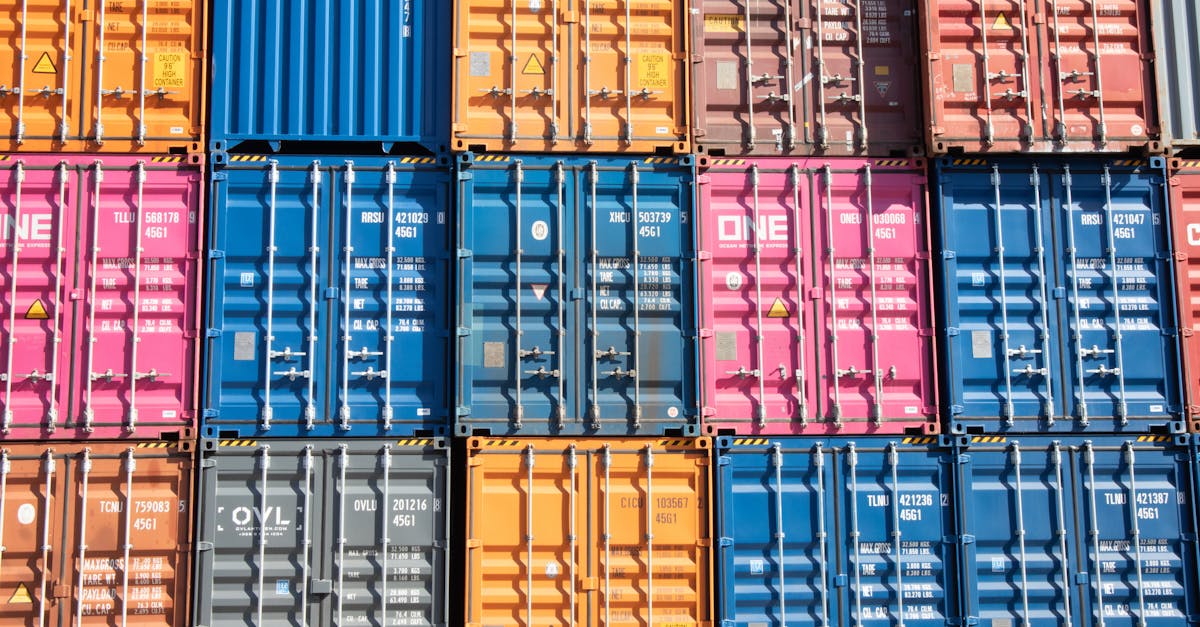
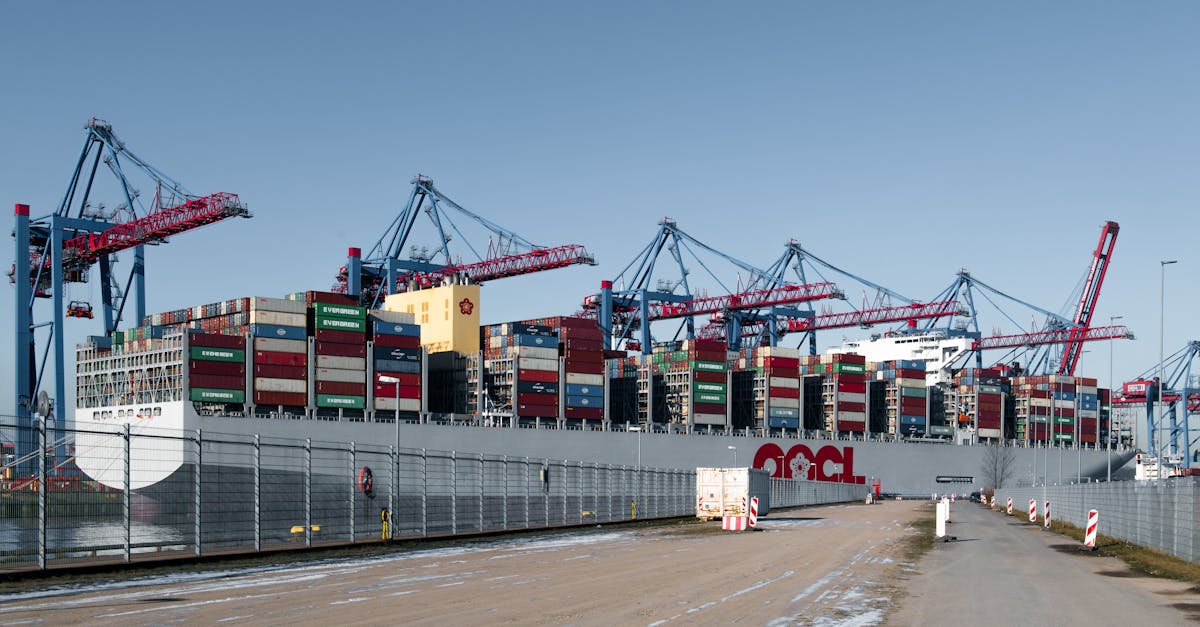
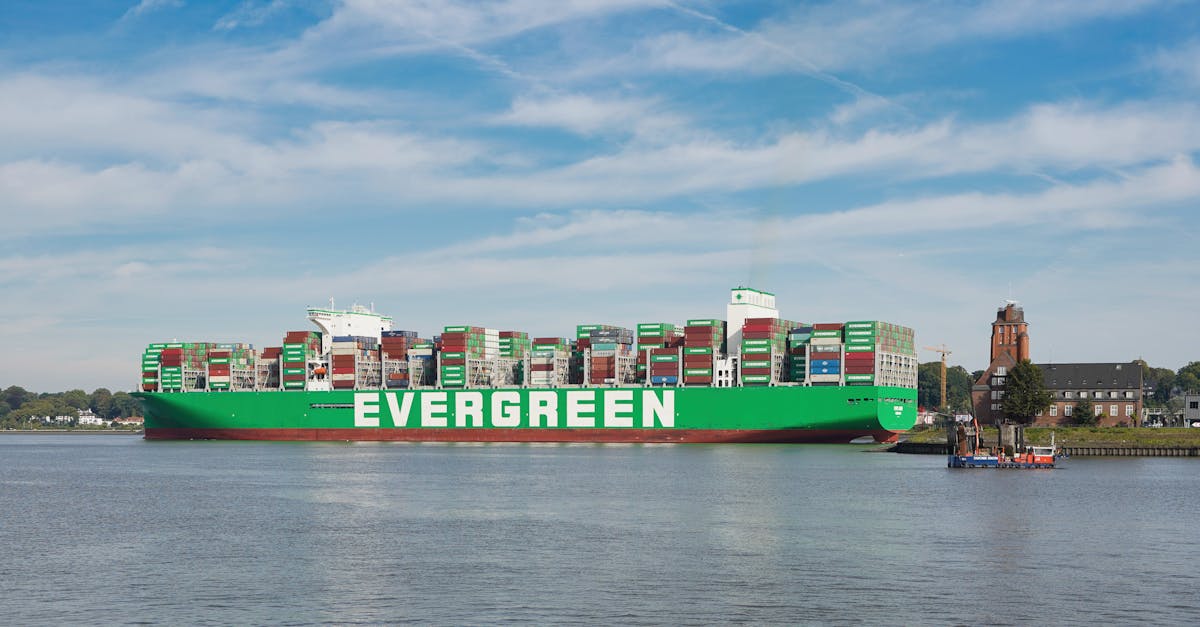
Freight trucks rumbling through their town serve as a reminder of the vast network that supports trade. Every shipment and every cargo container represent a link in the chain of commerce that fuels local businesses like Daniel’s. Yet, the delicate balance rests on the broader economic landscape; if exports are not boosted, particularly in sectors like technology and agriculture, their family’s stability could be at stake.
As Daniel finishes the last bite of his chicken, he reflects on the importance of advocating for fair trade policies that could promote American products on foreign shores, recapturing some of the lost market share. It boils down to his choice of suppliers and clients, shaping not just his business’s future but also his family’s financial well-being.
A Family’s Hopes Tied to Trade
As the evening winds down, Maria and Daniel smirk at their children’s animated laughter filtering from the bedrooms, an innocent reminder that the weight of international trade balances hangs heavily in the air. The struggles and successes of the Garcias, like countless other American families, hinge on how well the U.S. can adapt its trade policies in favor of creating and sustaining jobs at home while fostering a competitive environment in a global marketplace.
Their dinner table conversation encapsulates the complexities surrounding trade balance and exports, merging economic data with personal stakes. As they tuck their children into bed, the Garcias’ dreams extend beyond immediate family concerns, touching on the countless intricacies shaping America’s economic landscape and their family’s future.