A Family’s Crossroads
Meet the Garcias, a family in suburban Ohio with a knack for celebrating weekend dinners filled with the flavors of the world. Maria Garcia carefully selects ingredients for her famous salsa, blending tomatoes, onions, and spices that are locally sourced, yet often accentuated by imports. Little does she realize that her grocery list is a reflection of a broader economic narrative shaping their community. Recently, however, the trade balance—an essential economic indicator measuring the difference between exports and imports—has created a ripple effect that intertwines with her household’s budget and culinary choices.
As of August, the U.S. trade deficit stood at approximately $68.3 billion, widening from July’s $65.5 billion, according to the U.S. Bureau of Economic Analysis. This uptick in the deficit suggests that imports continue to outpace exports. To put it in relatable terms, imagine a scenario where for every $100 the Garcias make selling their homemade salsa at local farmers markets, they’re spending around $130 on buying groceries and other essentials from overseas. This disparity inevitably constrains Maria’s ability to plan family meals like she’s used to.
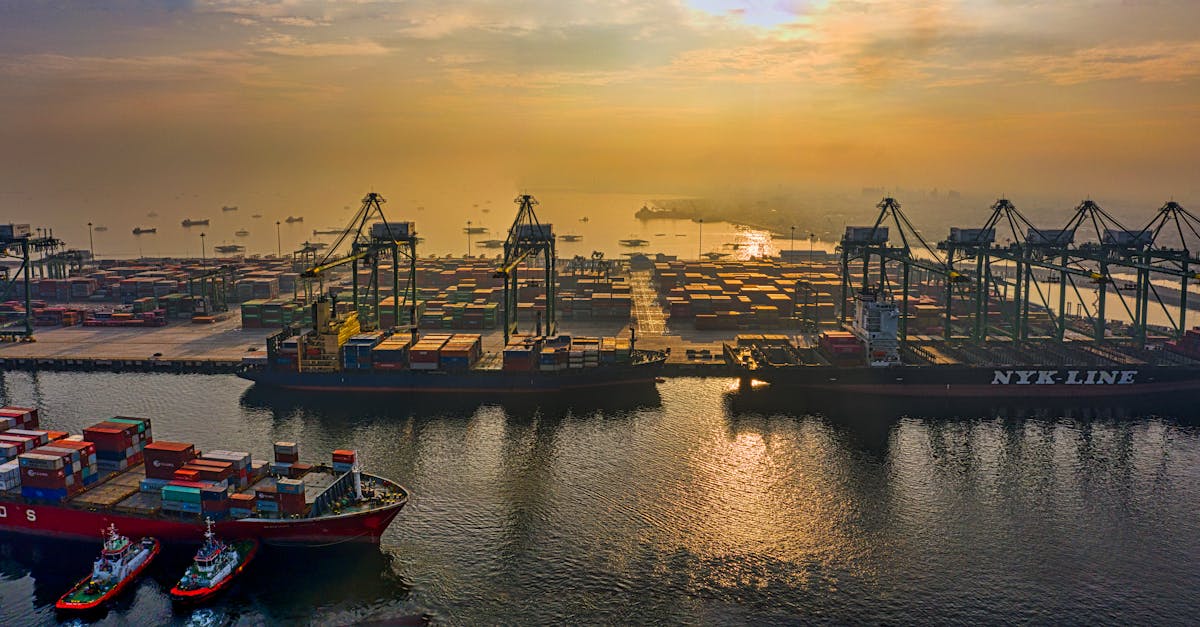
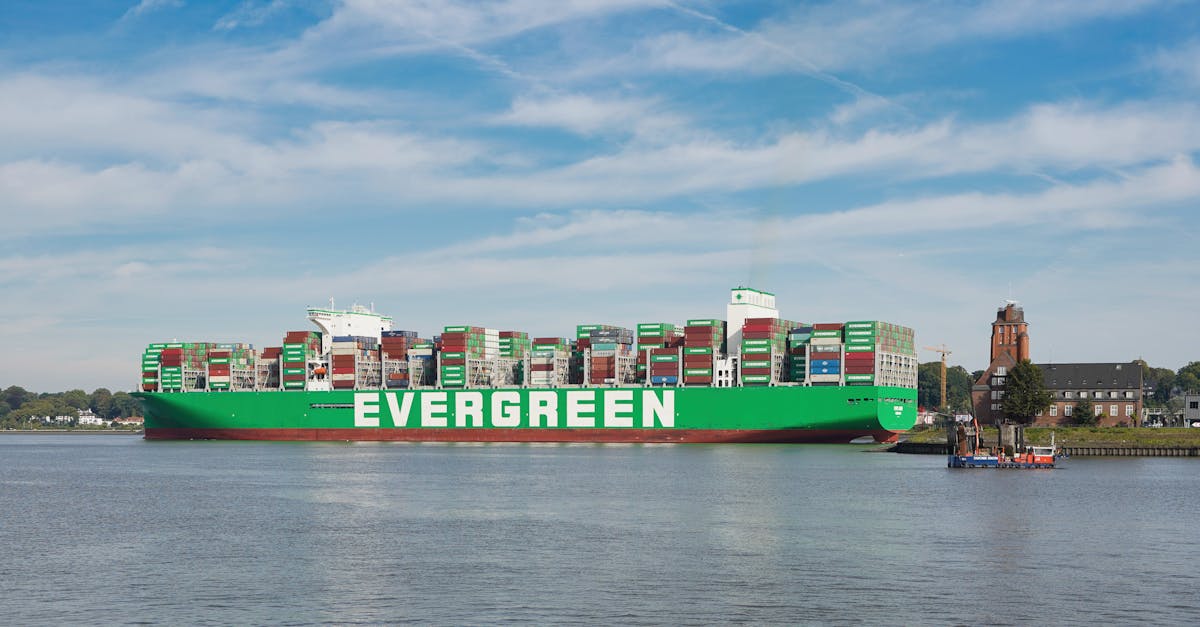
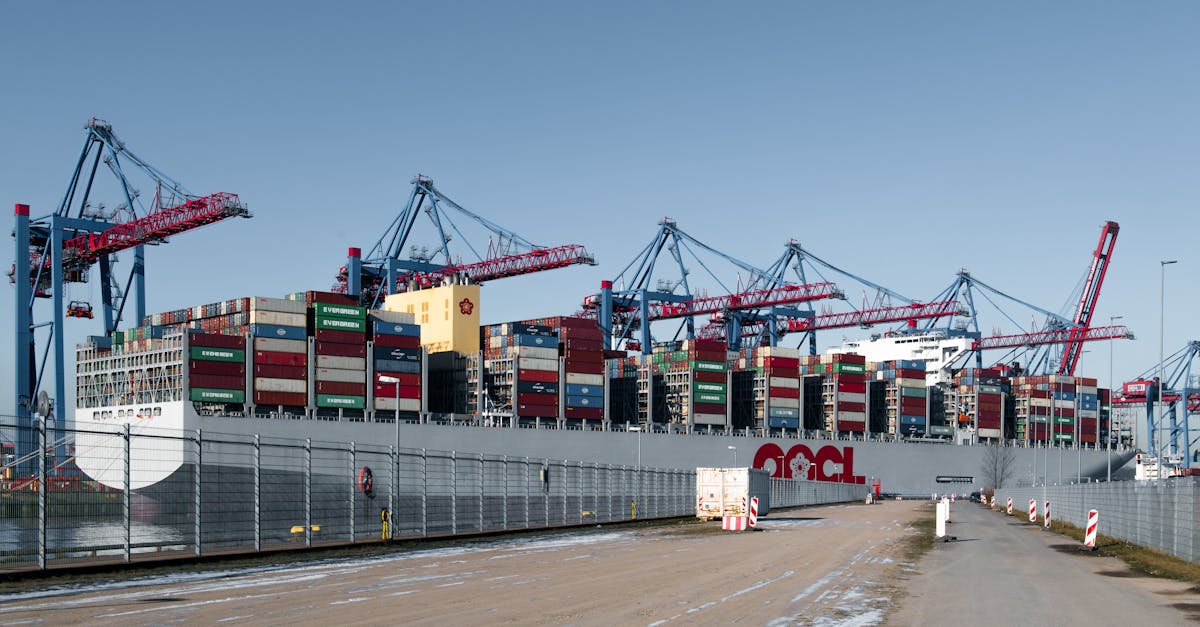
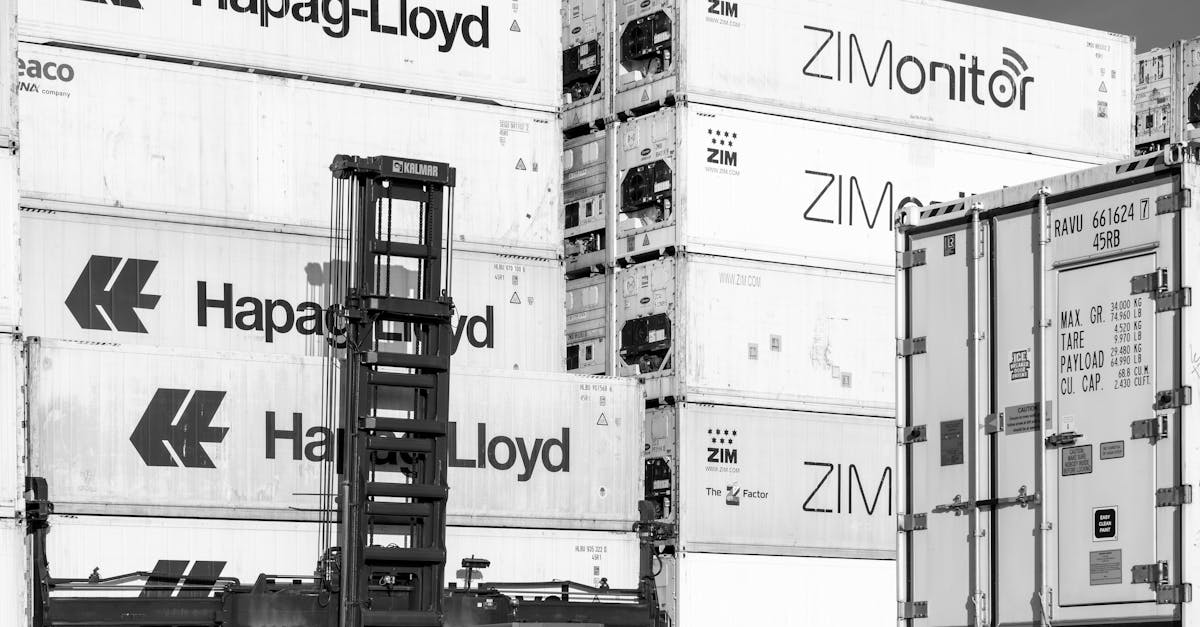
The Cargo Ships in Our Grocery Aisles
The connection between a family kitchen and cargo ships is more profound than one might think. Exports from the U.S. totaled about $252.7 billion in August, boosted notably by agricultural products, which climbed by 1.5% to $10.7 billion. For Maria, these agricultural exports mean the wealth created at home is being reflected back in the economy, resonating within her local community. However, with imports growing, this scenario complicates the family’s access to food and other goods. The Garcias want access to imported tropical fruits or spices, but when imports dominate the market, prices can spike, cutting into their family’s enjoyment of cuisine diversity.
For context, the trade deficit’s ongoing increase can be likened to a family running a restaurant that serves the best of local and international cuisine but constantly incurs higher costs to acquire the latter. The current balance suggests that while the U.S. maintains global ties through exports, we need more vigor in competitive domestic industries.
Keeping the Balance in Check
The overall trade balance tells a layered story. The Federal Reserve has pointed out that while exports are crucial drivers of U.S. economic growth, the imbalance creates concerns about domestic manufacturing and employment. Local businesses that depend on exports, like those producing agricultural goods, face challenges maintaining market share when imports flood the shelves. This very situation might affect the Garcias’ friends and neighbors—a local tomato farmer, for instance, whose livelihood hinges on export markets.
On a broader scale, the trade data emphasize that the U.S. economy is intricately linked to global supply chains. Maria might not realize that when she complains about the rising cost of ingredients, she’s at the intersection of local efforts and international dynamics.
Back to the Kitchen
As Maria scours her local grocery store or farmers market, she grapples with choices that reflect the delicate balance of trade. This complex relationship between imports and exports doesn’t just affect her meal prep; it mirrors her family’s aspirations, dreams of culinary adventures, and their economic stability. The Garcias embody an every-family contention with trade deficits and balances—they cook, grow, and live amid a web of economic shifts that resonate far beyond the kitchen.
Ultimately, the Garcias’ dinner table offers a snapshot of a greater narrative, one where trade balances interlace with their daily lives. The choices they make influence not just their family but their entire community, challenging the limits of what it means to thrive in a world marked by both opportunity and imbalance.