A Family’s Journey in Exporting Cookies
Picture the Johnsons, a family running a small cookie business from their home kitchen in suburban Ohio. For years, they’ve perfected their chocolate chip recipe, and on weekends, they sell boxes of cookies at the local farmers market. But this year, they’ve set their sights higher — Europe beckons. Thanks to a boom in demand for American baked goods, they’ve begun exporting their famous cookies across the Atlantic.
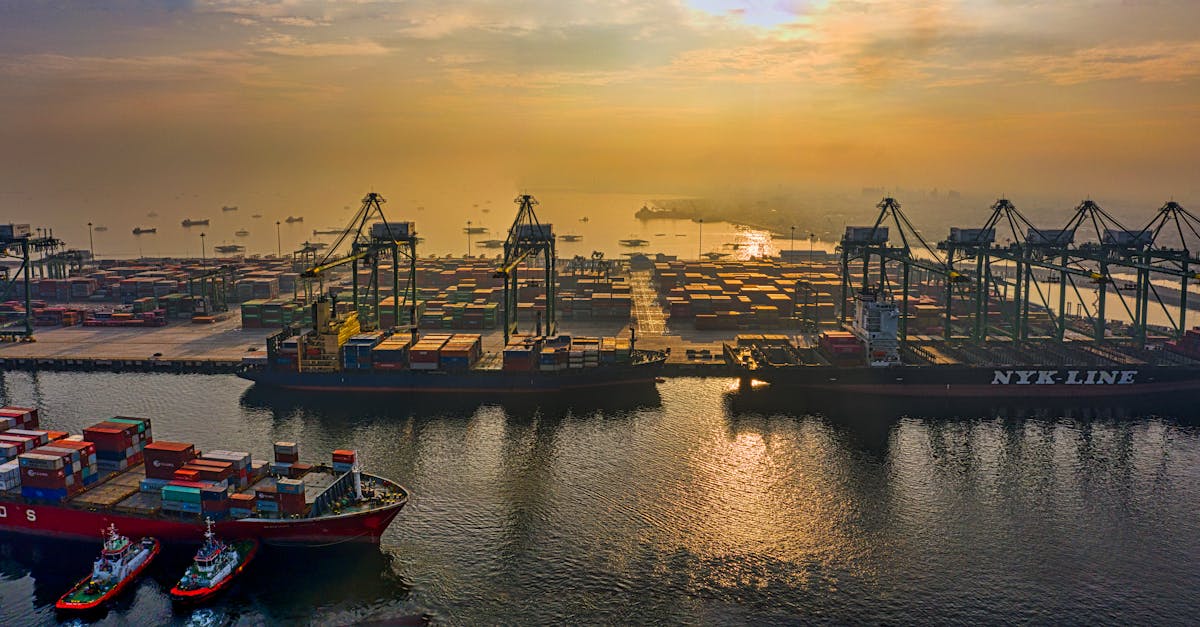
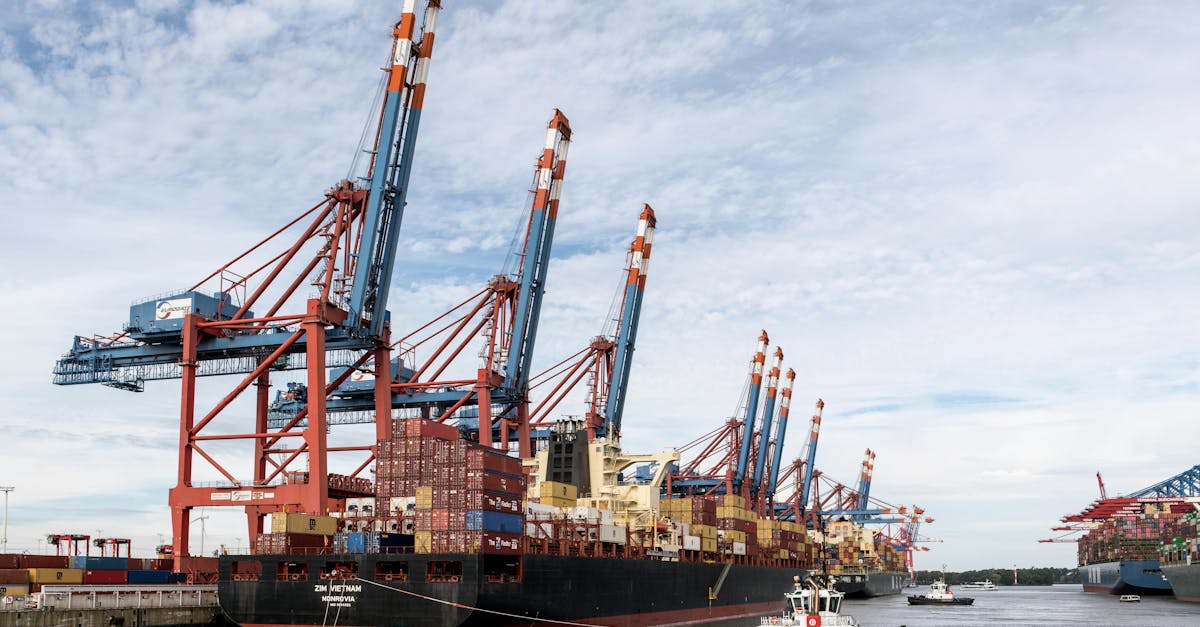
As the Johnsons made their first shipment to Germany, they found themselves part of a larger narrative: the U.S. trade balance. The trade balance is the difference between what the United States exports and what it imports, and it can significantly impact both businesses like the Johnsons’ and the economy at large. As of August, the U.S. goods and services deficit stood at $70.1 billion, a factor that affects not just corporate strategies but everyday lives.
The Cookies that Cross Oceans
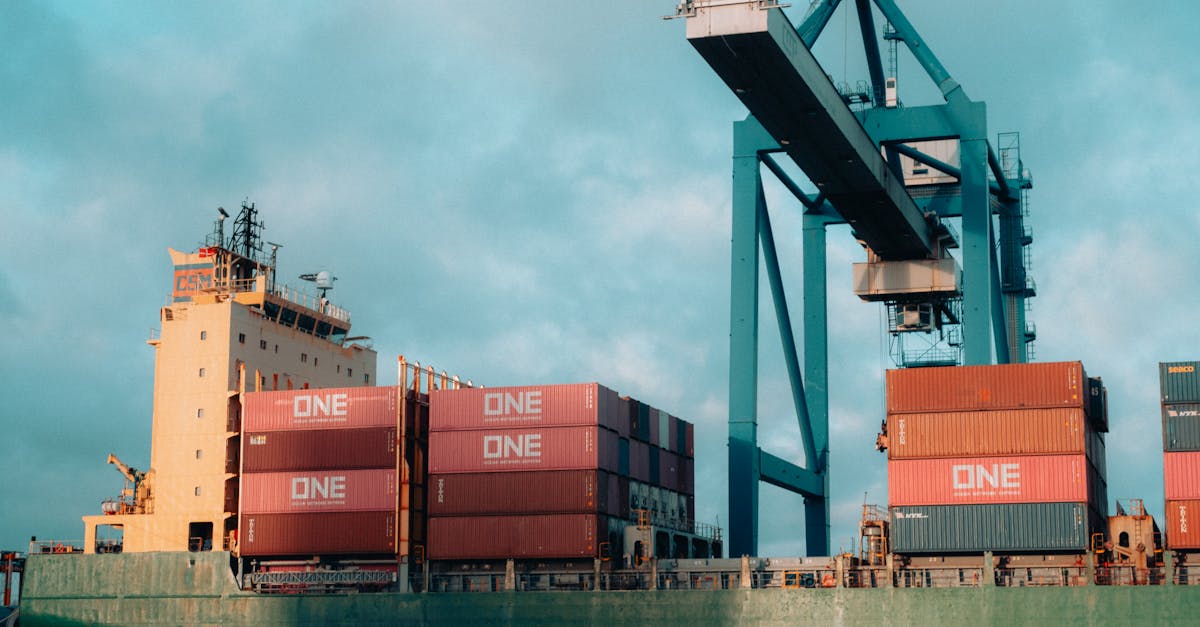
Every sweet shipment from the Johnsons represents part of the export story — one that has been more favorable than many might realize. In the past year, U.S. exports reached an impressive $2.58 trillion, with consumer goods, specifically food and beverages, making up a significant portion. Imagine if every cookie batch sold abroad contributes to a boost in local economic activity, spurring job growth and supporting the community in myriad ways. Each crate of cookies is more than a dessert; it’s a local job, a paycheck, a chance for stability amidst market fluctuations.
Meanwhile, the Johnsons also face stiff competition from foreign producers in the baked goods market. In September, the export price index for U.S. industrial supplies rose by 0.4%, indicating tightening supply chains and increasing production costs. While this could mean higher prices for their cookies, it also attracts investment into the smaller production processes like theirs, ultimately benefiting local farmers from whom they source ingredients like organic chocolate and wheat.
Connecting the Dots: Trade and Employment
The interconnection between trade policies and job creation has become increasingly apparent. In Ohio alone, exporting firms employ over 200,000 residents, and every $1 billion in U.S. exports supports approximately 7,000 jobs. The Johnsons’ expansion into the European market showcases how trade can directly affect local employment, providing opportunities within their supply chain — whether it’s local delivery drivers or the farmers producing the raw ingredients.
Nationally, the last year has shown signs of hopeful recovery in trade. Monthly export figures have seen substantial month-over-month increases — a reflection of improving international demand and recovering supply chains. In August, the nation posted a 2.5% rise in exports, painting a brighter picture of economic resilience and growth, and more families like the Johnsons can seize these opportunities.
The Bigger Picture: Balancing Imports and Exports
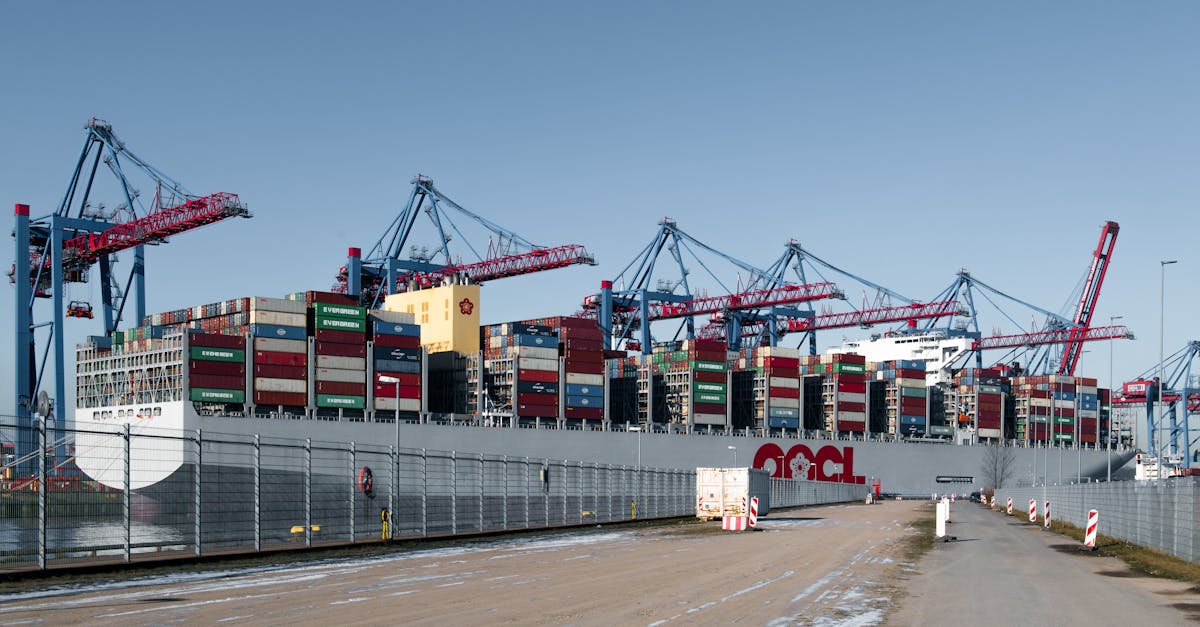
However, the story does not end with exports. The ever-present challenge of balancing trade, where imports surpassed exports in terms of goods received, raises complex questions about dependency on foreign markets and what it means for local manufacturers who might struggle to compete with lower-priced imports. While the U.S. benefits from accessing a variety of products from abroad, an increasing trade deficit — about $70.1 billion as mentioned earlier — can potentially threaten domestic market health.
Returning to the Johnsons, their success is not just a local story. Each cookie sold overseas weaves into the larger fabric of America’s economic tapestry. With every shipment, they remind us that trade balance reflects not only numbers but the aspirations of families across the country. The Johnsons’ leap into international markets illuminates how small business efforts resonate much farther than the town square, potentially influencing policy decisions at the national level. As they pack their next shipment, they continue to embody the enduring American entrepreneurial spirit — one cookie at a time.