Navigating the Waves of Trade: A Family’s Journey Through Exports
In a cozy suburb just outside of Denver, the Morales family gathers around their dining table to discuss their annual vacation plans. As they pass a plate of homemade tamales, Alejandro and Marisol share their dream of visiting Mexico’s stunning beaches. For them, such a trip is not just about the sun and surf; it’s a reflection of how far they’ve come as a family, a journey intertwined with the ebb and flow of international trade that shapes their daily lives.
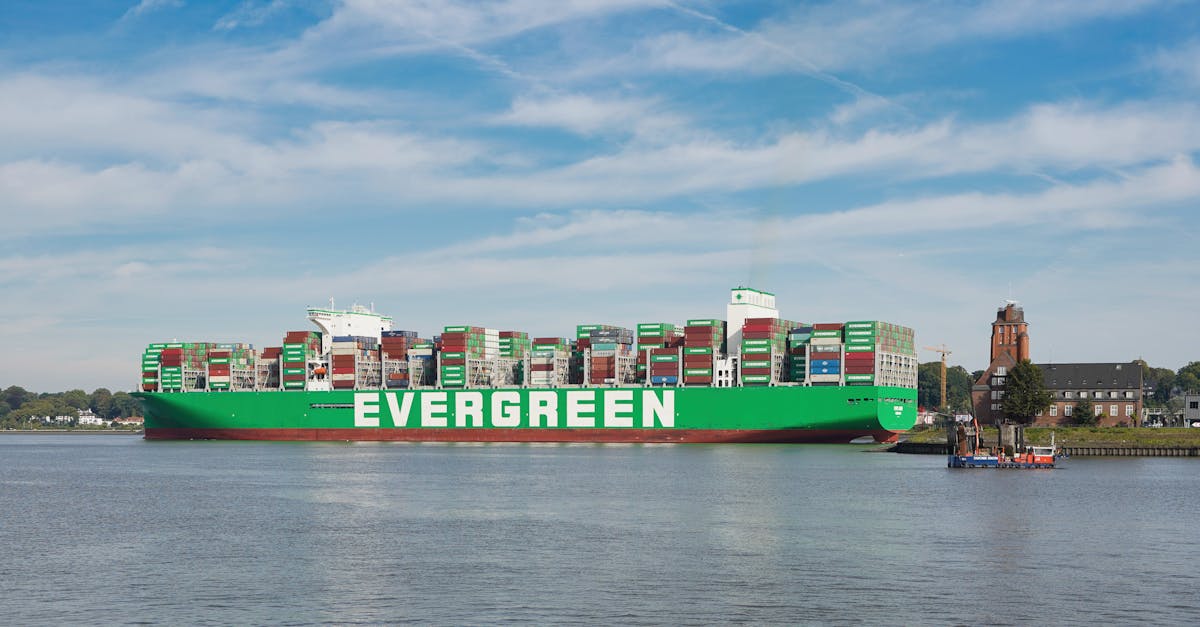
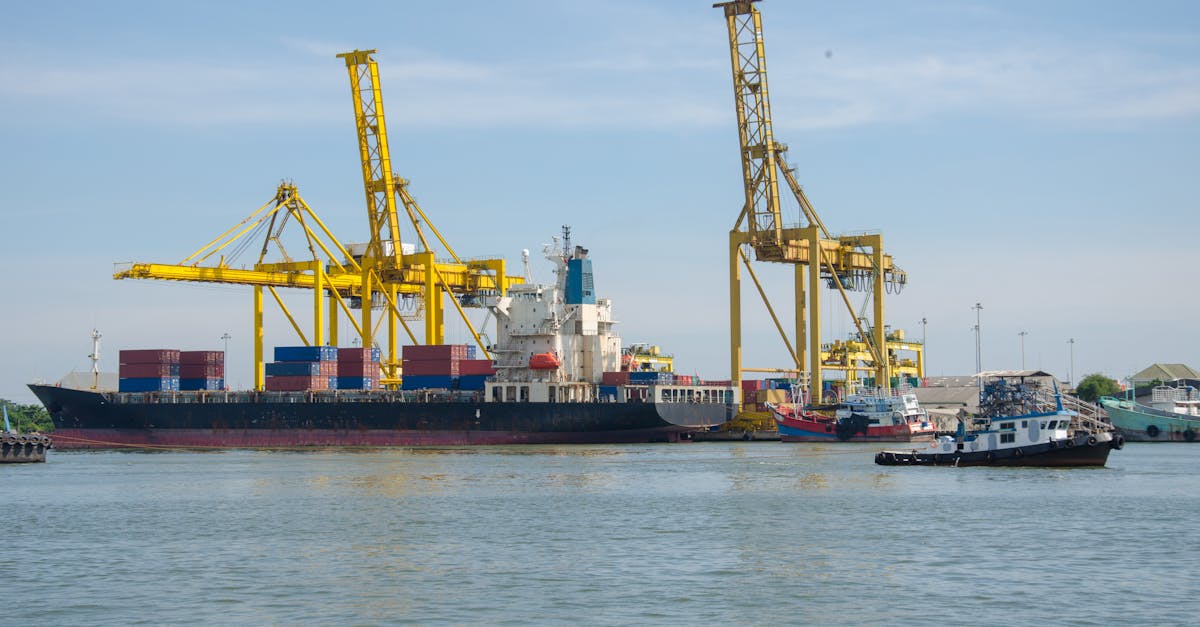
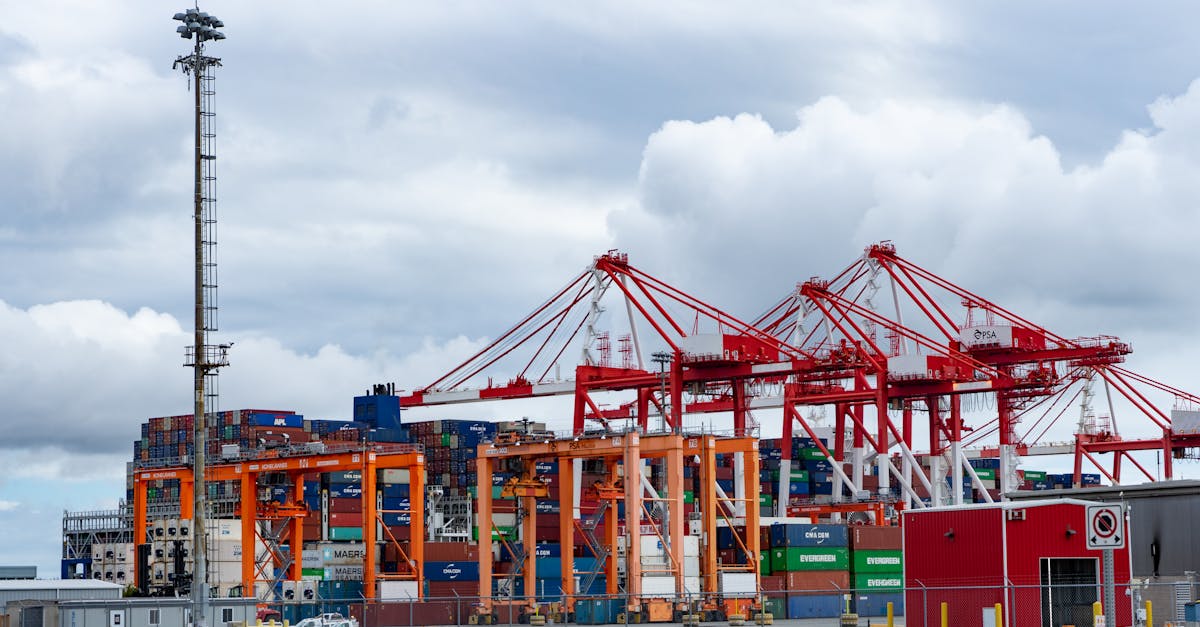
Alejandro works at a local manufacturing plant that produces high-quality components used in electronic devices. Over the past few months, he has noticed a marked increase in orders from overseas, thanks in part to a strong demand for American-made goods. In August, the U.S. export value reached an impressive $255.1 billion, with the manufacturing sector contributing significantly — roughly $212 billion of that total. This robust performance illustrates how the Morales family’s financial stability is linked to the larger narrative of America’s trade balance, which recorded a deficit of $65 billion for that month, according to the Bureau of Economic Analysis.
The Morales family’s discussions are not just about where to go — they also center on how to fund their plans. The surge in Alejandro’s plant orders has resulted in a paycheck bump; an increase in exports leads to more jobs and better wages for American workers, which is precisely what happened here. In fact, as more U.S. products cross borders, it fosters an environment where families like the Moraleses can dream bigger.
The Fabric of Local Economies
Imagine that every time a device is sold internationally, whether it’s a smartphone or an electric vehicle, a ripple effect unfolds back home. This interconnectedness can be best illustrated through Alejandro’s workplace. When he learned about a contract for a new component destined for a major tech firm in Europe, excitement permeated the factory floor. With exports growing, his employer expanded operations, hiring an additional five workers — individuals craving the chance to contribute to American manufacturing. As a result, local unemployment ticked down to 3.8% according to the Bureau of Labor Statistics, once again reflecting a healthy economy bolstered by international demand.
Meanwhile, the Morales family feels the pinch in their household budget. With the trade deficit hovering around $1 trillion, the family is also sensitive to the yin and yang of import-export balances. The price of imported goods has seen a lift due to the strong dollar, making some foreign items more expensive. Their preferred brands, once affordable, have snuck up in price. Despite this, they recognize that their community thrives on a global scale, underscoring a paradox where trade deficits don’t always breed economic doom.
The Global Marketplace at Work
As they dig into dessert — a batch of chocolate brownies — Marisol reflects on the ever-expanding marketplace. She works in the hospitality industry, where international tourists are drawn to American hospitality. The increase in exports often equates to a rise in tourism, and this year has been no exception. Recent statistics from the Federal Reserve show a correlation: when foreign nations purchase American goods, they are more likely to travel to the U.S. to see the products they love.
For Marisol, each international visitor who walks into her hotel represents countless opportunities. Those export-driven gains amplify her work hours and tips, adding more cushion to their savings for that long-awaited getaway. The couple’s financial narrative is less about isolated decisions and more about how global dynamics create richer experiences and broader choices.
Bringing It Back Home
As the Morales family wraps up their evening, they feel the excitement of possibility. The conversation drifts back to their trip — and soon enough, they start discussing experiences rather than just destinations. The rewards of a thriving export industry ripple beyond mere numbers, permeating their daily lives with comfort and adventure.
Understanding trade balances and export dynamics becomes essential not just for policymakers but for everyday families who wish to navigate the complexities of an interconnected economy. For the Moraleses, the global market is not just an abstract theory; it is the path to a brighter future filled with opportunities, as tangible as the adventure awaiting them in Mexico.