A Family Vacation Complicated by Exchange Rates
The Smith family, eager to escape the winter chill, is planning a dream trip to Europe. They’ve budgeted $5,000 for airfares, hotels, and sightseeing excursions. Excitement fills the air as the kids talk about visiting the Eiffel Tower and Justin hopes to grab some authentic Italian pizza from a street vendor in Rome. However, an unanticipated hurdle arises: exchange rates.
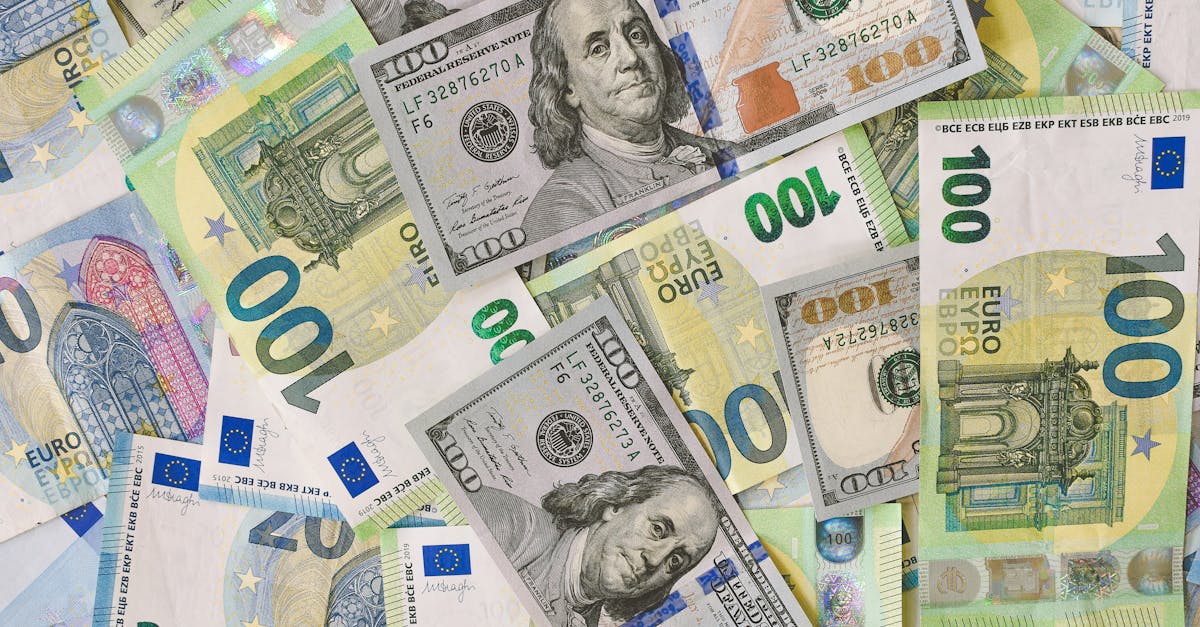
As James, the family patriarch, starts researching current rates, he learns that the dollar has weakened recently. Currently, one euro is worth $1.12, slightly up from $1.09 a few months ago. This change means that their total vacation fund will cover fewer euros than before, reducing their purchasing power from approximately 4,464 euros to around 4,464 euros.
But what does this mean for ordinary Americans? Imagine if the Smiths were opting for a meal in Rome at a local trattoria, where a delicious pasta dish costs 15 euros. At a rate of $1.12 to the euro, this translates to $16.80 in American dollars today, which last month would have only cost them $16.35. With inflation sitting at 3.8%, they aren’t just finding that their travel budget is tighter; they’re also contending with the compounded impact of rising prices back home.
Balancing Work and Travel Budgets
As an engineer, James keeps a watchful eye on his salary, which has seen barely any upward mobility while inflation continues its steady creep. With an unemployment rate holding at approximately 4.3%, opportunities for salary increases are stagnating. It’s a detail he recalls from casual talks at the office water cooler.
As he browses the latest articles, it becomes clearer that the Fed’s recent rate hike, now averaging 3.64%, wasn’t just for bracing the economy against inflation—it translates into more expensive loans for families wishing to finance their vacations. If the Smiths were considering a loan to boost their holiday budget, the interest on any borrowed funds could negate the benefits of a favorable exchange rate.
When juxtaposing the rising interest rates against their intentions to visit foreign locales, James narrows his gaze. Decisions weigh on his mind—maybe they will forgo that guided tour in Paris or skip buying souvenirs altogether.
The Backpack of Economics
For the Smiths, this vacation is not merely an escape; it’s a snapshot of globalization’s complexities. The decision to take their planned trip is a dance of economic forces represented by simple numbers. As the euro continues to rise, the Smiths represent one of many families who operate under a practical trade-off—the luxury of travel versus the realities of a tightening budget.
With the dollar trying to find its footing amidst fluctuating global currencies, the family learns firsthand about the invisible strings that connect local economies to distant ones.
For James and his wife, Sarah, every little adjustment to their itinerary will ripple through their family budget, echoing the choices made in larger economic circles. The interplay of exchange rates is not merely a statistic but a reality lived by families, shaping how they enjoy life beyond their domestic confines.
Coming Full Circle
Ultimately, the Smiths decide to proceed with their trip, but they resolve to explore nearby areas in addition to the famous sights, squeezing the most from each euro. As they plot each step of their adventure, they realize their budget, while constricted by economics, can still unfold into cherished memories. Their story serves as more than just another family trip; it’s a reminder that even as a dollar loses ground, the value of experiences remains immeasurable. The world, with its complexities, remains ripe for exploration, even when you must tread carefully through international waters.