The Vega Family’s European Adventure
As the Vega family packed their bags for a long-anticipated trip to Europe, excitement buzzed in their home in suburban Ohio. Eleven-year-old Mia had been saving up her allowance for months to buy a special souvenir, while her parents, Maria and Carlos, had plans for fine dining and local experiences across Paris and Rome. But just a week before their departure, they noticed that the exchange rate had shifted dramatically.
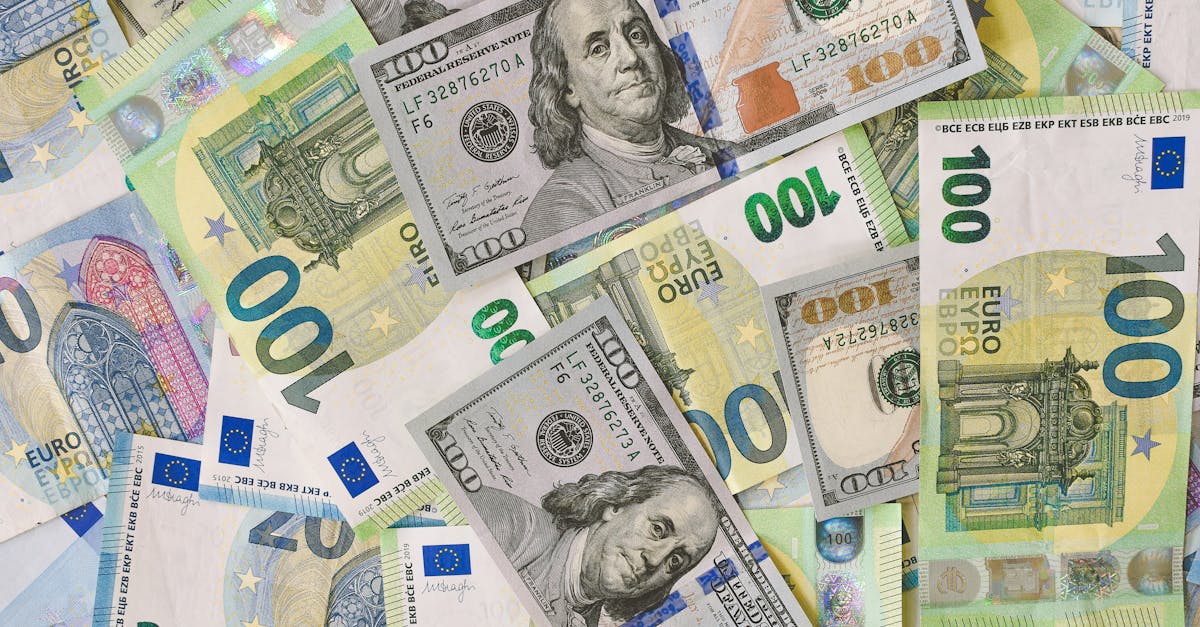
The dollar was now trading at 0.85 against the euro, meaning that for every dollar they brought along, they could expect to receive roughly €0.85. This scenario transformed their budget into a jigsaw puzzle, where every piece depended on the current value of the dollar. With inflation recently sitting at 3.8%, the price of everyday goods felt much heftier than they had anticipated, both at home and abroad.
Budgeting the Trip
As the family sat down with their travel guide and budget calculator, it didn’t take long to realize they might need to rethink their plans. Dining out in Paris could easily cost upwards of €60 for dinner at a mid-range restaurant, translating to approximately $70 at the current exchange rate. This meant eating out could require a larger portion of their vacation budget than they had originally calculated.
With a U.S. unemployment rate of 4.3% providing some economic stability, Carlos felt secure about returning to his job after their vacation, but every dollar spent abroad would be harder to replace at home. For perspective, if the family planned to eat out three times during their week in Europe, that would add up to around $210—enough to cover a month’s worth of groceries back in Ohio.
The Ripple Effect of Currency Fluctuations
Maria checked the daily conversion rates through a mobile app while sipping her morning coffee. just a year ago, the dollar had a stronger foothold in Europe, trading at around 0.92 against the euro. “What if we had traveled earlier this year?” she mused. The difference of €0.07 per dollar could have resulted in an extra €200 for their trip—a substantial amount for any family.
Meanwhile, interest rates, which hovered around 3.64%, pressured consumers domestically. The increasing cost of credit meant less disposable income for families if they were carrying higher balances on their credit cards from pre-trip purchases—another layer to their financial puzzle.
Navigating the Exchange Rate Maze
As they adjusted their budget, the Vega family couldn’t help but feel the weight of financial decisions sharpened by the whims of the exchange market. Even the cost of special experiences like visiting the Louvre or taking a gondola ride in Venice needed a second look. Investing in memories rather than material things grew complicated when every detail hinged on fluctuating currencies.
Yet, they persevered. With careful planning and a bit of ingenuity, the Vega family decided to focus on free local attractions, like public gardens and street fairs, saving their euros for moments they deemed genuinely worthwhile.
Returning Home: Reflection on Dollar Value
Back in Ohio, after a whirlwind of culinary delights and cultural immersion, the Vega family felt a renewed sense of appreciation for their dollar. As they unpacked, Mia displayed her treasures from Europe—an artisan bracelet and a small Eiffel Tower replica. In this moment, the impact of exchange rates felt paler in the face of happy memories.
In a world where currencies ebb and flow, the Vega’s journey illustrated the tangible effects of exchange rates on everyday life, and how economic forces, like inflation and interest rates, weave into personal stories. The dollar may be poised for further fluctuations, but for the Vega family, it wasn’t merely about the exchange rate; it was ultimately about the experience that money could facilitate.