A Family’s Transformative Trip to Europe
As summer sweeps into town, the Garcia family, with their bustling household of three active children and a penchant for adventure, is finalizing plans for a long-awaited trip to Italy. Maria Garcia stands in her kitchen, coffee in hand, eyeing the foreign prices on her favorite travel website. Each euro listed on the site seems to tug at her wallet as she calculates the total cost of their dream vacation — a weeklong escape filled with pizza-making classes, museum visits, and gelato. But a lingering question hangs in the air: how far will their dollars go against the euro?
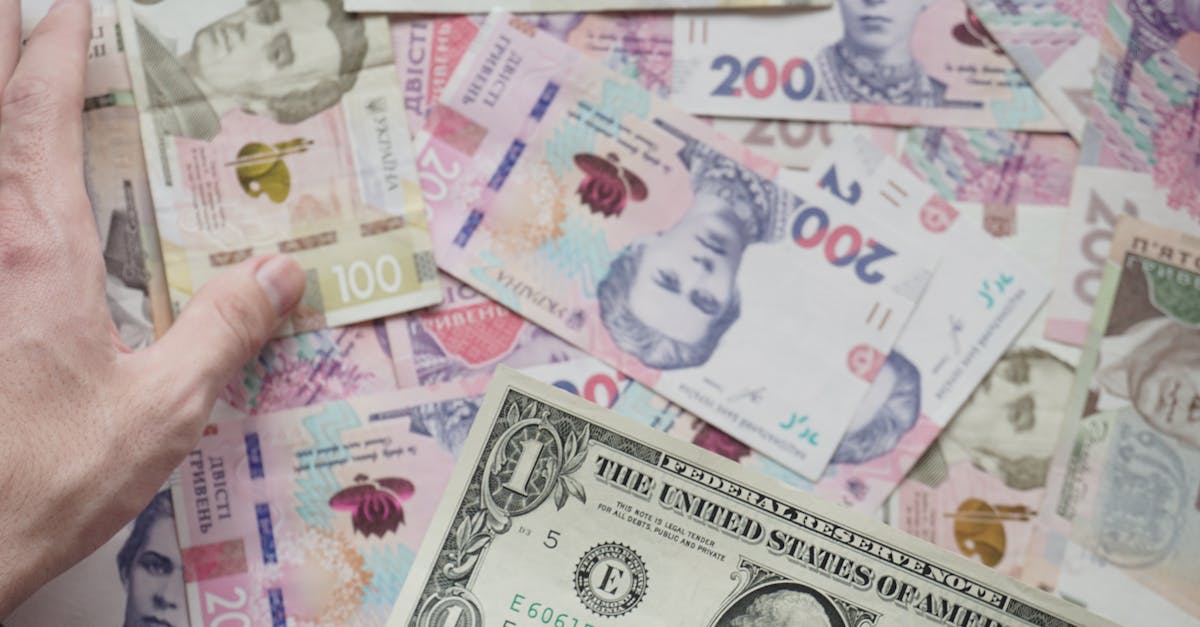
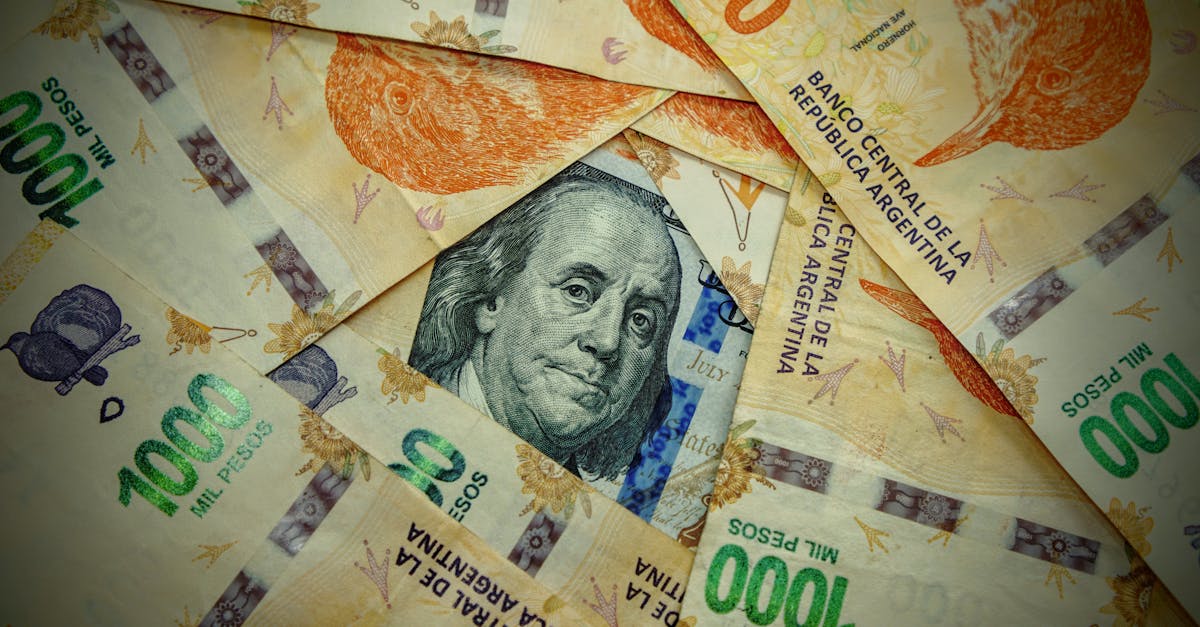
The dollar’s strength against foreign currencies does not just influence travel plans but also has a ripple effect back home. Imagine that a dollar is roughly equivalent to 0.90 euros; this exchange rate can mean the difference between treating the family to a feast at a trattoria or settling for breadsticks. With inflation reported at 3.8%, the cost of doing business—whether here or abroad—has become more complex.
The Hidden Tug-of-War of Currency Valuation
Exchange rates, the price of one currency in relation to another, act like a barometer for international trade dynamics. A stronger dollar can boost American purchasing power on foreign soil, yet it can also dilute the competitive edge of U.S. exports. For instance, as of May, the Federal Reserve’s decision to hold interest rates at 3.63% plays a fundamental role. Higher interest rates often strengthen the dollar, drawing in foreign investment but also making U.S. goods pricier for overseas buyers.
Maria feels this tension when her travel plans are brought into focus. If the dollar continues to climb, her funds will stretch further. A recent report from the Bureau of Labor Statistics (BLS) indicates that the unemployment rate stands at 4.3%, suggesting a generally stable job market, yet rising prices can make each paycheck feel tighter. The Garcias, like many families, find themselves weighing the cost of their adventure against growing expenses at home.
In addition, fluctuations in the euro can alter how much the family needs to cover excursions. Should the exchange rate dip to 0.80 euros per dollar, Maria could savor even more experiences without breaking the bank, spending less on street-side gelato and florentine souvenirs.
The Ripple Effect of Exchange Fluctuations
As merchants in Florence set prices for visitors from the States, they feel the weight of currency fluctuations, sending ripples through local economies and families like the Garcias. Every cent added to the price tag directly impacts discretionary spending, creating an unexpected layer of complexity in their fantastical journey. For example, if their airfare costs $900 per person right now, a strong dollar means they can afford more excursions. Conversely, if the dollar slips, their trip may become a scramble for savings.
Meanwhile, it’s not just travelers who feel the effects of exchange rates. Exporters are keeping a keen eye as well. Should their products become more expensive for foreign buyers, they may face a decline in sales overseas, driving down output and affecting jobs back home. A robust dollar might mean manufacturers can purchase materials cheaply, but it also means a struggle to maintain competitive pricing abroad.
The Journey Continues
As July approaches, Maria, buoyed by an optimistic exchange rate and careful planning, feels excited about securing value for their excursion. The dance of currencies not only influences their vacation plans but also resonates through broader economic corridors, reminding families that every choice is intertwined with this global symphony. For the Garcia family, a fair exchange could turn a dream trip into an unforgettable reality. Just as they navigate their travel decisions, they remain mindful of the delicate balance between their aspirations and the realities of the economic landscape.
In the end, the journey is more than just about traveling to Italy; it’s about finding joy amidst the uncertainty of exchange rates and discovering the broader implications of every dollar spent.