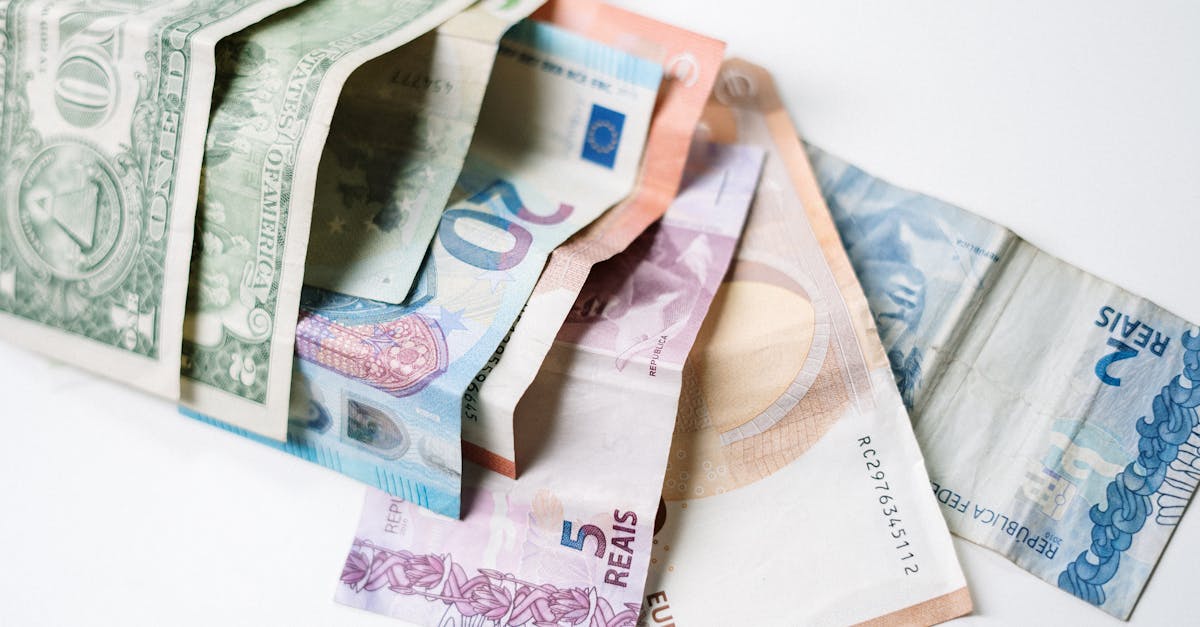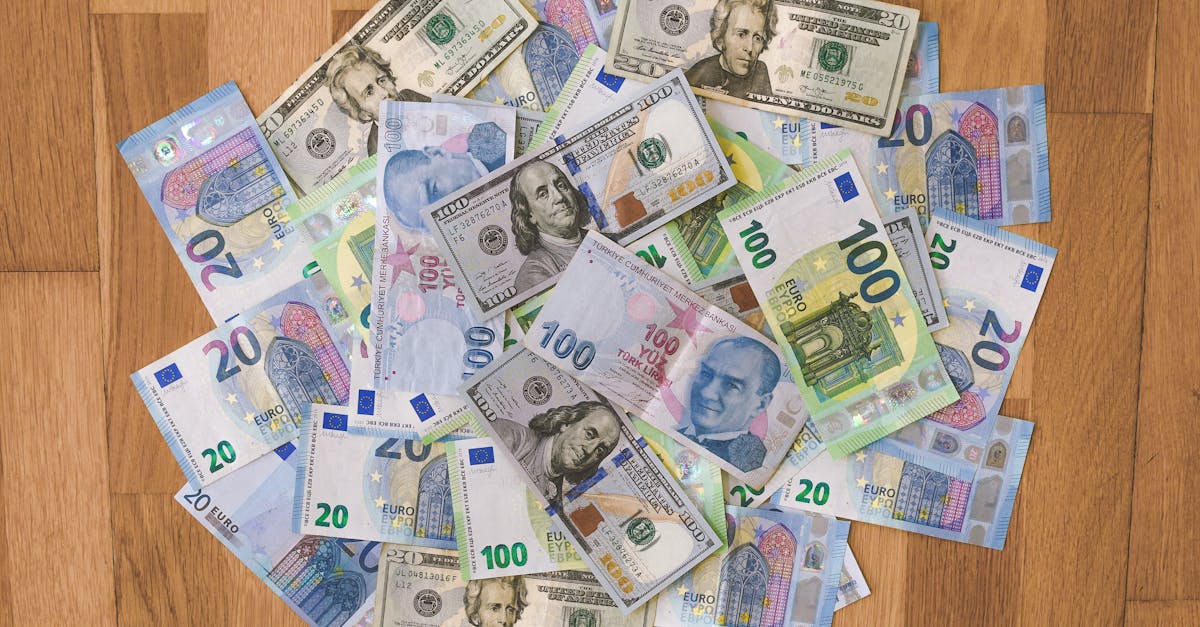
Imagine the Johnson family, just returning home from a two-week trip to Europe, filled with memories and, for the kids, a newfound love for gelato and pasta. However, as they glance at their bank statement, a dark cloud hangs over their vacation bliss. Due to the current exchange rate fluctuations, their family spent significantly more than they budgeted for. When they started planning the trip, each dollar was trading at a strong position against the euro. Yet, by the time they settled on accommodations and activities, the dollar had weakened, resulting in costs that snowballed by nearly 10% more than expected.
As of April 2026, the exchange rate between the dollar and euro teetered around 1.10, meaning each dollar bought about 0.91 euros. Just a year prior, the family would have enjoyed a more favorable rate of 1.05. This shift adds serious weight to the average vacation budget. With inflation creeping at 3.8%, the Johnsons faced inflated prices not just for international travel but also at home. Their euros bought fewer souvenirs, and their anticipated fun turned into a scribble in the family budget notebook.
The Currency Caper
The Johnsons’ plight is emblematic of the broader market dynamics at play. The costs of goods and services in foreign currencies have real consequences when the dollar fluctuates. The dollar’s depreciation, driven in part by domestic interest rates set at 3.64%, affects pricing on everything from electronics to travel costs. Put simply, when the Fed raised interest rates to combat inflation, it inadvertently introduced a ripple effect on the currency markets. As money becomes more expensive to borrow, businesses and consumers faced steeper costs, precisely as the Johnsons encountered while trying to enjoy their time abroad.
Exchange rates tell complex stories of economies tangled together. Consider a small business owner, Sarah, who imports handmade scarves from Italy. When the euro rises, the cost of importing those scarves increases, forcing Sarah to either raise prices or absorb the costs — a dilemma many entrepreneurs face. Given that 43% of American small businesses reported that foreign production costs were a primary concern, Sarah’s situation is anything but unique.
The Global Equation
For the Johnsons, Sarah, and many Americans, the exchange rate is a multifaceted puzzle influenced by inflation rates, interest rates, and consumer behavior. A dollar that stretches less abroad contrasts starkly with the economic landscape back home, where current unemployment holds steady at 4.3%. Amid rising prices, it’s clear that people’s purchasing power is diminishing, impacting everything from everyday groceries to leisure pursuits. A family outing, which was once a manageable expense, now feels more burdensome due to the rising costs which match the inflation dynamic.
As the Johnsons unpack their bags and digest their vacation experience, they come to understand the importance of the mighty dollar in a globalized economy. What makes it challenging is how unpredictable exchange rates can become overnight due to geopolitical events, fiscal policies, or sudden shifts in market sentiment.
Bringing It Home
With their vacation memories still fresh, the Johnsons are aware that in the face of rising exchange rates, they might opt for a local getaway next year instead of flying overseas. As they evaluate their financial landscape, they realize that understanding these economic trends is crucial not only for travel but also for budgeting their household expenses where dollar depreciation might bite harder in the grocery aisle.
Just like the Johnsons, countless Americans navigate the intricate tapestry of exchange rates and local economic conditions, learning that every dollar counts a little more as external forces shape their financial well-being. In the end, they carry not just souvenirs from their travels, but also valuable lessons about the delicate dance between currencies that influences their everyday lives.