When Dollars Dance: The Household Impact of Exchange Rates
Lucy and Tom, a couple living in the suburbs of Chicago, were excited about a much-anticipated vacation to Europe. Months of planning went into choosing the right destination—Paris, a city they dreamed of visiting since their honeymoon. As they saved up for the trip, both were optimistic about enjoying the famous sights and culinary delights. However, a sudden shift in the exchange rate complicated their plans.
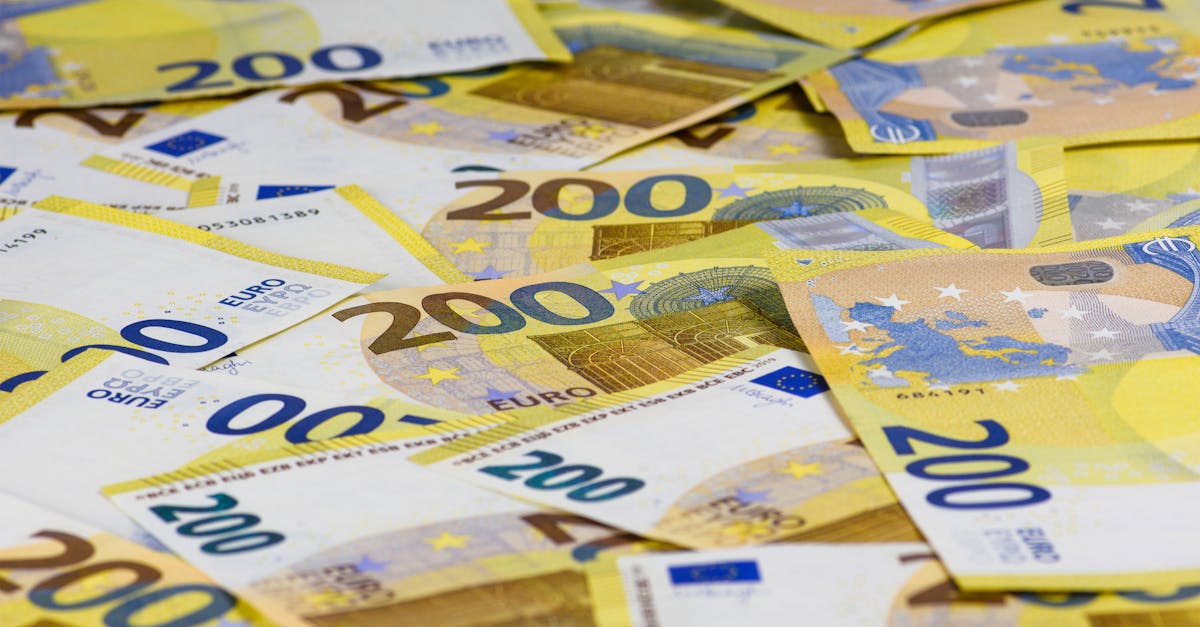
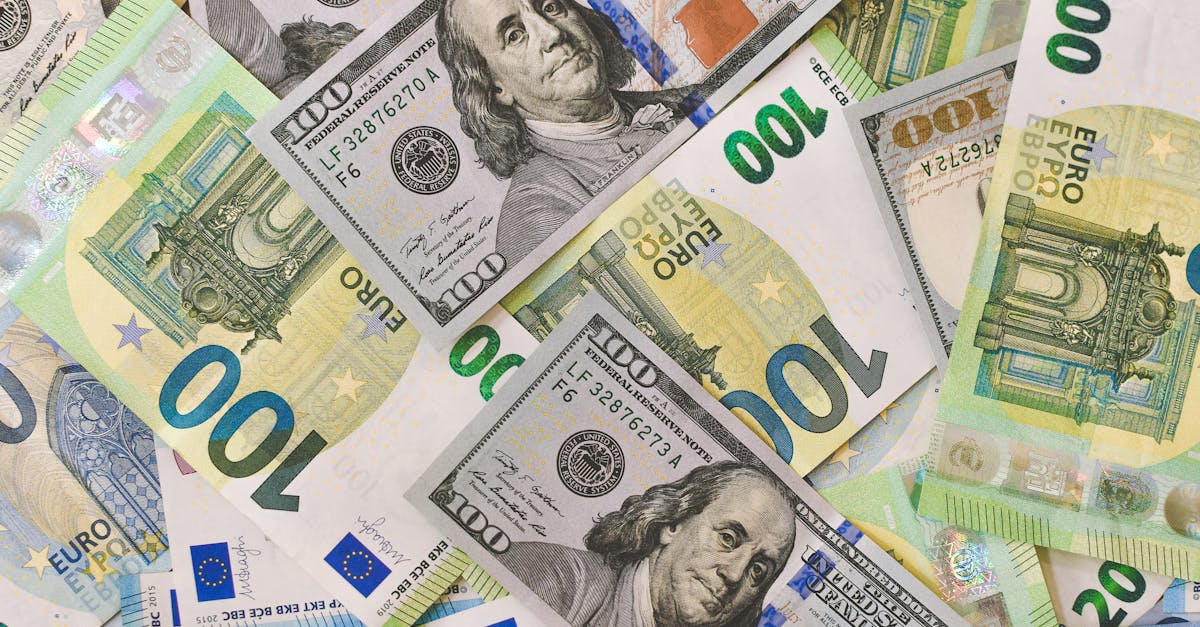
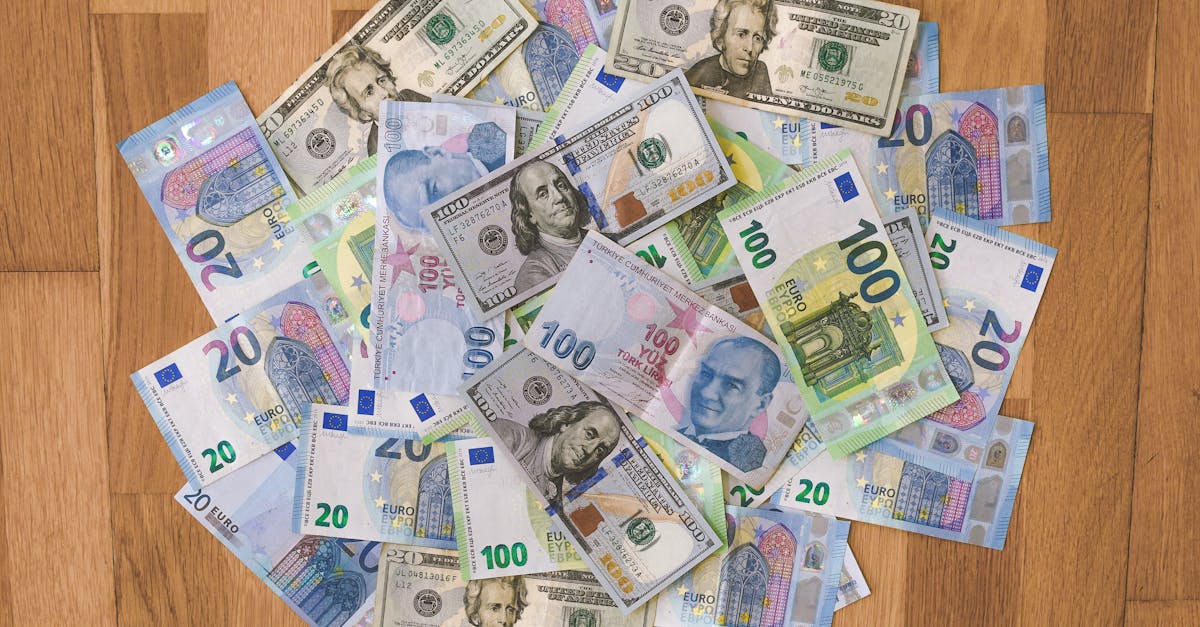
While planning, they had noticed that the euro was trading at a rate of roughly 1.10 dollars, which gave them confidence that they could manage their budget while over in France. But in the weeks leading up to their departure, the dollar weakened against the euro, creeping up to 1.15.
This change translated to a 4.3% increase in their expenses, roughly equivalent to an extra $400 on their €3,500 planned budget, making each croissant or café au lait feel more like a splurge than a treat. The currency fluctuation stemmed from a combination of domestic economic conditions, including persistent inflation now pegged at 3.8% and interest rates holding firm at 3.64%.
The Ripple Effect of Exchange Rates
At its core, currency valuation influences everything from international trade to individual spending habits. Businesses like Tom’s marketing firm, which has begun to rely on international clients, have felt the pinch as well. Companies facing higher costs for imported goods—from raw materials to software—are squeezed between maintaining profit margins and keeping prices attractive for domestic consumers. The current unemployment rate of 4.3% adds another layer, as businesses remain cautious about hiring new talent amid uncertain profit forecasts spurred by fluctuating exchange dynamics.
Tom’s firm, for instance, had set its sights on expanding into European markets, but the rising dollar cost made it harder to price services competitively. What seemed a minor adjustment on paper echoed loudly through their business model. They had to decide between absorbing the cost increases or passing them on to clients, each choice carrying its own risks.
Personal Economic Decisions
For Lucy and Tom, the vacation trip wasn’t just about leisure; it had become a case study in household economics. The surge in travel costs made them reconsider their plans. Should they skip the Louvre to save some euros? Or perhaps rethink their dining experiences? With inflation eroding purchasing power, their everyday decisions became intricately linked to international currencies.
Even the local grocery store feels the pinch, as import prices climb due to the weakening dollar. Dairy products, avocados, and seasonal fruits—items that typically flow easily across borders—now come with a heftier price tag. Families across the nation are recalibrating their budgets, just as Lucy and Tom are, rebalancing what was once an easy decision into a more meticulous cost-benefit analysis at the checkout.
The Dance of Dollar Dynamics
The exchange rate is more than a simple number on a financial report; it is a key driver of economic interaction and personal experience. For Lucy and Tom, the exchange rate became a real force shaping their family’s experience and financial planning for their trip. Despite the allure of Paris, the realities of inflation and a robust interest rate environment forced them to make hard decisions about how to utilize their resources.
As they stood at the airport, checking their currency exchange one last time, Tom whispered to Lucy, “We need to find that perfect balance—between the trip we’ve always wanted and the reality of today.”
In that moment, they understood that while a trip to Paris has timeless appeal, understanding and adapting to the ever-shifting landscape of foreign exchange rates was just as crucial to a fulfilling experience.