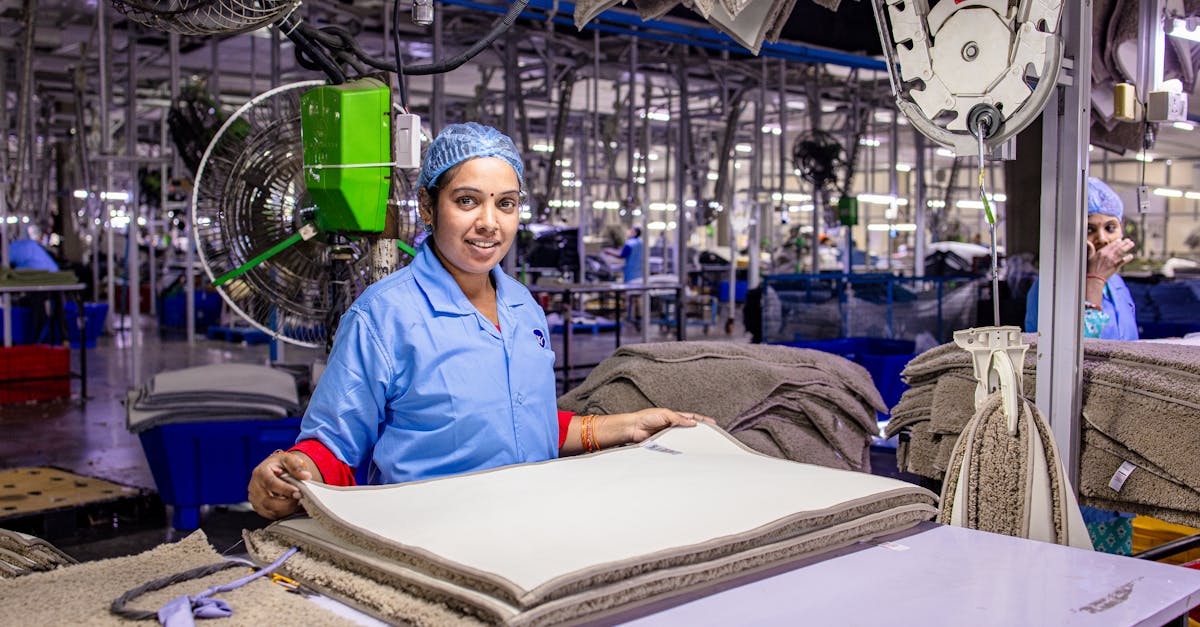
A Decline Amid Economic Recovery
Labor productivity in the United States took a noticeable dip, decreasing by 1.1% in the last quarter, a stark contrast to the 4.1% increase experienced in the same quarter a year ago. This drop underscores the challenges facing American businesses as they navigate recovery from the pandemic while grappling with rising costs and tight labor markets.
A Year of Volatility
Year-over-year, this recent decrease in productivity presents a disheartening reversal after a period marked by rapid growth. The complications arise as the economy attempts to stabilize in a climate characterized by inflation currently at 2.4%. Previously, productivity growth had been bolstered by pandemic adjustments that allowed businesses to innovate and streamline operations. Still, these gains are waning, showing that the initial post-pandemic surge might have been temporary rather than a sustainable trend.
Global Performance: Falling Behind?
When juxtaposed with global counterparts, the U.S. is starting to show signs of vulnerability. In countries like Germany and Japan, productivity growth remains more robust, with projections suggesting an increase of over 2% in the coming fiscal cycles. This could indicate a potential leadership shift in economic resilience, where U.S. firms need to enhance efficiency in the face of international competition.
The Labor Market’s Tight Grip
Current unemployment stands at 4.4%, a figure that may appear healthy but hints at underlying structural issues. While there are available jobs, businesses report challenges in finding employees with the skill sets necessary for productivity growth. With a persistent skills gap, potential improvements in labor productivity risk being stunted, leaving the economy to wrestle with stagnant wages amidst rising living costs.
Interest Rates: The Double-Edged Sword
Interest rates hover at 3.64%. This positioning presents both a challenge and an opportunity; while higher rates can strain business borrowing and investment, they can also incentivize productivity through technological advancements that reduce dependence on costly labor. The question remains whether businesses will adapt quickly enough to realize these efficiencies or continue to rely on traditional methods that may not support sustained growth.
The Road Ahead
As the productivity landscape shifts, the key for U.S. businesses lies not just in retaining existing talent but also in innovative workforce strategies. Companies that invest in workforce development and technology may be better positioned to navigate these challenges. The next quarter will be critical—will firms pivot effectively to promote productivity, or will stagnation continue to haunt the recovery efforts? Only time will tell if innovation can triumph over economic headwinds.