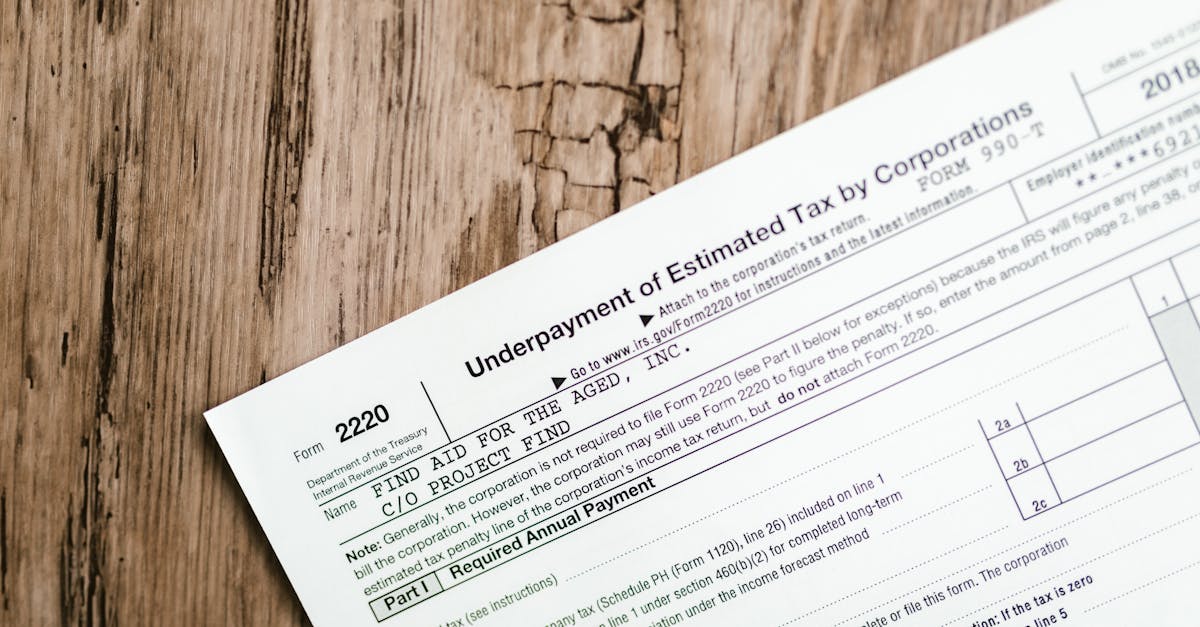
Why Does the Tax System Matter?
Understanding the U.S. tax system goes beyond mere numbers; it’s about how government revenue is generated, how it supports public services, and its broader impact on the economy and citizens. The framework includes various federal, state, and local taxes, playing a pivotal role in shaping fiscal policies and funding for various sectors.
Cause and Effect in Taxation
At the core of the U.S. tax structure lies the contrast between direct and indirect taxes. Direct taxes, like income tax, are levied directly on individuals’ earnings, while indirect taxes, such as sales taxes, come from purchases. Let’s deconstruct this with a focus on income tax.
- Cause: The progressive nature of income tax, where higher earners pay a larger percentage of their income, aims to balance income inequality.
- Mechanism: This sophisticated tiered system adjusts rates based on earnings levels, ultimately pooling resources intended for public services—education, healthcare, infrastructure, and social safety nets.
- Effect on Real People: Individuals with lower incomes may benefit from tax credits and deductions, but rising inflation, measured at 3.3%, erodes purchasing power. For instance, a single parent earning $30,000 annually may see a significant portion of that income taxed, which directly impacts their ability to afford essentials like housing and food.
This structure contributes to the evolving landscape of the job market as well. As firms navigate tax obligations, hiring practices and wage structures are influenced—often leading to higher unemployment rates, which currently stand at 4.3%.
The Regulatory Framework
The Internal Revenue Service (IRS) serves as the regulatory body overseeing tax collection and enforcement. Its protocols can create additional layers of complexity. For example:
- Audits and Compliance: Regular audits aim to ensure compliance and discourage tax evasion, adding pressure to businesses and individuals alike. When people fear audits, they may shy away from potential deductions and credits, effectively leaving money on the table.
- Tax Incentives: Conversely, the strategic implementation of tax incentives can stimulate market activity. For instance, offering lowered tax rates on capital gains can encourage investment in certain sectors, directly influencing job growth and innovation.
These measures create an intricate web that connects individual financial decisions to broader economic conditions. If interest rates remain stable, currently at 3.64%, businesses might be more inclined to borrow and expand, thereby affecting the overall employment landscape.
Key Statistics at a Glance
- Inflation Rate: 3.3%
- Unemployment Rate: 4.3%
- Interest Rate: 3.64%
Understanding these numbers is crucial—they not only reflect economic health but also signal how well the tax structure is serving various constituencies across the nation.
What to Watch
As fiscal policy continues to evolve in response to economic pressures, keep an eye on legislative debates regarding tax reform. Proposals for simplified tax codes or adjustments in the progressive rates can drastically change the landscape for all taxpayers. Additionally, monitoring how these changes respond to inflation will reveal their actual impact on American households in the months to come. Adjustments in tax policy can dictate economic growth trajectories, making this a critical area for ongoing scrutiny.