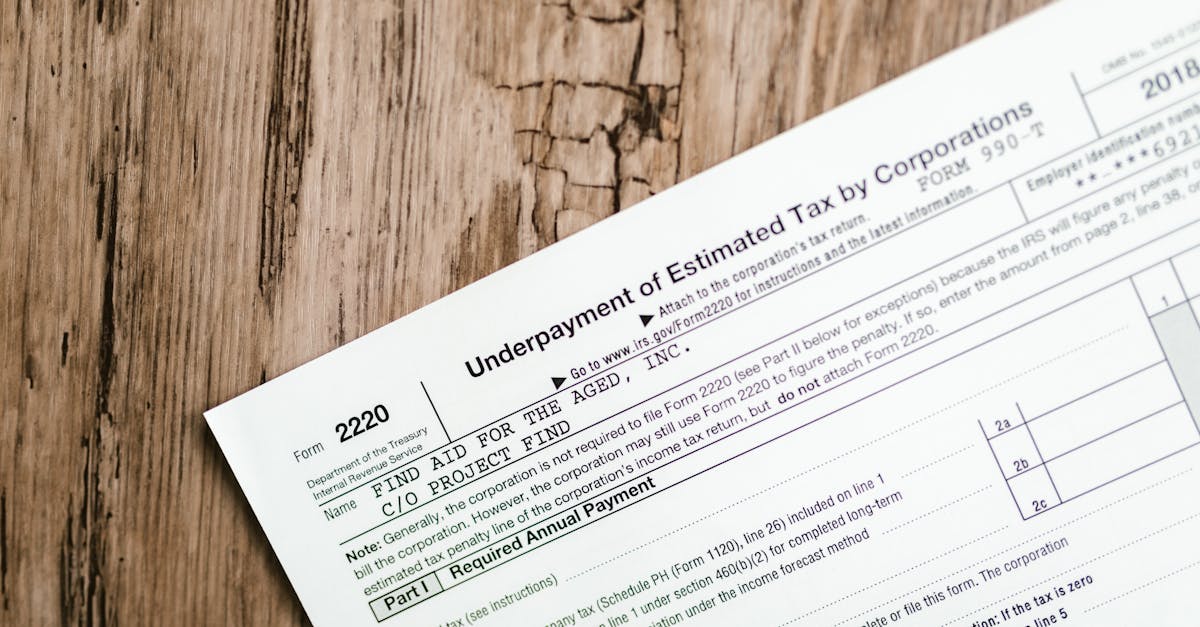
Unpacking the Complexity of the U.S. Tax System
How does the tax system impact everyday Americans? The dynamics within the U.S. tax structure are intricate, and they dictate not only government revenue but also individual financial well-being. By analyzing the causes and mechanisms behind tax policy, we can illuminate the effects on communities across the nation.
The Direct Link: Tax Rates and Disposable Income
The cornerstone of the tax system is the set of rates applied to income, capital gains, and consumption. When tax rates increase, a direct consequence is often a decrease in disposable income for an average citizen. Households with diminished spending capacity may refrain from purchases, which in turn stagnates economic growth.
Consider the following:
- The federal income tax ranges from 10% to 37% based on income brackets, impacting workers differently depending on their earnings.
- Higher taxes on capital gains can discourage investment, creating a ripple effect that stifles innovation and enterprise growth.
When individuals face higher tax burdens, they may prioritize basic necessities over discretionary spending, affecting local businesses and overall economic activity. If disposable income declines, so too does the demand for goods and services, creating a potential slowdown in economic momentum.
Inflation and Tax Burden: An Ongoing Tug-of-War
Inflation, currently at 3.8% according to the Bureau of Labor Statistics, complicates the tax landscape. Even as nominal wages rise, the real purchasing power of those wages can erode if inflation outpaces income growth. What does this mean in practical terms?
- Real wages: Individuals may feel as though they are earning more, but the cost of living could outstrip those gains, effectively widening the tax burden relative to purchasing capacity.
- Tax brackets: If tax brackets are not adjusted for inflation—a phenomenon known as bracket creep—taxpayers could find themselves in higher tax categories without any real increase in wealth.
Consequently, higher inflation rates coupled with static tax brackets can lead workers to pay more taxes than they should based on their real income, causing frustration and discontent among voters.
Employment Figures and Tax Contributions
With an unemployment rate of 4.3%, there’s a dynamic interplay between job availability and tax revenue. When employment rates grow, more individuals contribute to the tax base, increasing government revenue. However, this scenario is complicated by underemployment and wage stagnation.
Tax policy shapes labor markets in key ways:
- A progressive tax system aims to redistribute wealth but can also disincentivize labor force participation at higher income levels.
- Conversely, lower tax rates may bolster job creation but risk underfunding critical public services.
When individuals are employed but earning low wages, their tax contributions may not cover their needs for social services, leading to budgetary strains at local and federal levels.
Interest Rates: The X Factor
Interest rates, as determined by the Federal Reserve, play a significant role in shaping tax dynamics. With rates at 3.64%, borrowing is relatively more expensive. Higher interest rates can mean increased costs for government borrowing, ultimately affecting funding for public programs crucial to the economy.
- Increased interest expenses may lead to a reevaluation of tax priorities; the government might opt to raise taxes on individuals or businesses to service debt obligations effectively.
- For taxpayers, higher interest rates can dampen their economic activities, further reducing the tax base.
What to Watch
Moving forward, close attention should be given to potential legislative changes regarding tax reforms. As inflation and economic growth trends evolve, policymakers face the challenge of balancing tax burdens and economic incentives. The ongoing dialogue surrounding tax policies will significantly influence economic growth and stability, as well as individuals’ day-to-day lives. Whether it’s the upcoming adjustments to tax brackets or proposals for increased taxes on higher earners, these shifts could have substantial implications for the economic landscape.