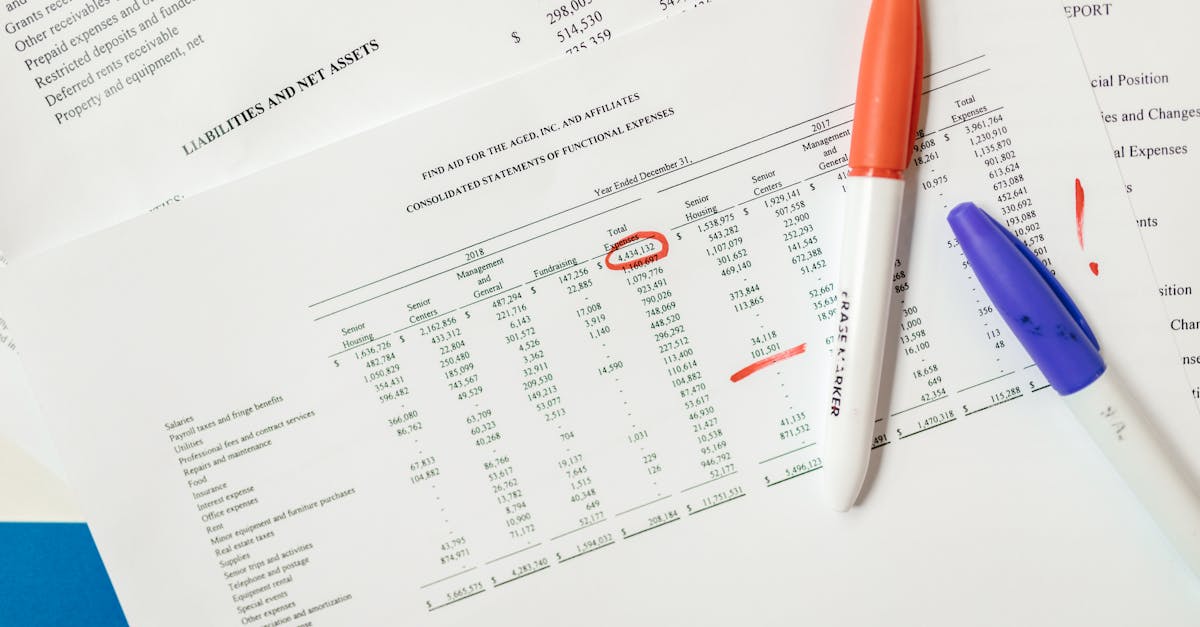
Current Situation and Latest Available Data
As of the latest reports, the United States is experiencing a significant budget deficit. In fiscal year 2022, the federal budget deficit totaled approximately $1.4 trillion, according to the U.S. Treasury Department. This represents about 5.5% of the Gross Domestic Product (GDP), indicating a persistent trend of spending exceeding revenue. In the first quarter of fiscal year 2023, the deficit expanded to $400 billion, raising concerns about the long-term sustainability of government finances.
The Bureau of Economic Analysis (BEA) highlights that total federal revenues for FY 2022 were around $4.9 trillion, while total outlays were nearly $6.3 trillion. This discrepancy indicates that the government continues to borrow to cover its expenses by increasing the national debt, which has surpassed $31 trillion.
Recent Trends and Developments
The current budget deficit reflects a series of economic responses to various external and internal factors, including the COVID-19 pandemic, inflation, and geopolitical tensions. Notably, in response to the pandemic, federal spending surged due to relief packages aimed at stabilizing the economy. Although there was a projected reduction in the deficit for FY 2022 from the record-high of $3.1 trillion in 2020, recent forecasts suggest an increase in the budget deficit moving forward, with continued high inflation feeding into increased government spending and rising interest costs on the national debt.
Additionally, the Congressional Budget Office (CBO) projects that if current policies remain unchanged, budget deficits will continue to balloon, potentially surpassing $2 trillion by the end of the decade, driven primarily by rising interest payments and continued Medicare and Social Security costs.
International Comparisons
When comparing the U.S. budget deficit to other countries, it becomes evident that the U.S. operates under a structure of higher deficits relative to many developed nations. According to the International Monetary Fund (IMF), as of 2022, the average budget deficit among European Union countries was around 4.3% of GDP, which is notably lower than the U.S. figure. Countries like Japan have higher debt levels but have maintained budget deficits comparatively lower than those of the U.S., suggesting different economic strategies and fiscal policies.
Data Insights from BEA and BLS
Data from the Bureau of Labor Statistics (BLS) indicate that wage growth and inflation are creating a challenging environment for government revenue. Despite robust job growth in recent quarters, with unemployment rates hovering around 3.5%, the purchasing power of consumers has been strained due to rising costs of living. Inflation rates, consistently above the Fed’s 2% target, further complicate the situation, as increased costs for goods and services impede tax revenue generation.
According to the BEA, GDP growth has remained positive but slowed compared to earlier recoveries, suggesting that while economic activity is ongoing, it may not be sufficient to bridge the growing deficit gap, highlighting the need for comprehensive budget reforms.
Practical Implications for Citizens
The implications of a ballooning budget deficit for citizens are multifaceted. Increased borrowing raises concerns about future tax increases needed to cover government expenditures. Furthermore, sustained deficits can lead to higher interest rates as the government competes for available capital, which can affect personal loan rates, mortgages, and overall economic growth.
Moreover, should fiscal sustainability remain a pressing issue, crucial social programs, education, and infrastructure investment may face cuts or slower growth, ultimately impacting citizens’ quality of life. Thus, understanding the factors contributing to the budget deficit is vital for informed citizenship and advocacy for responsible fiscal management.