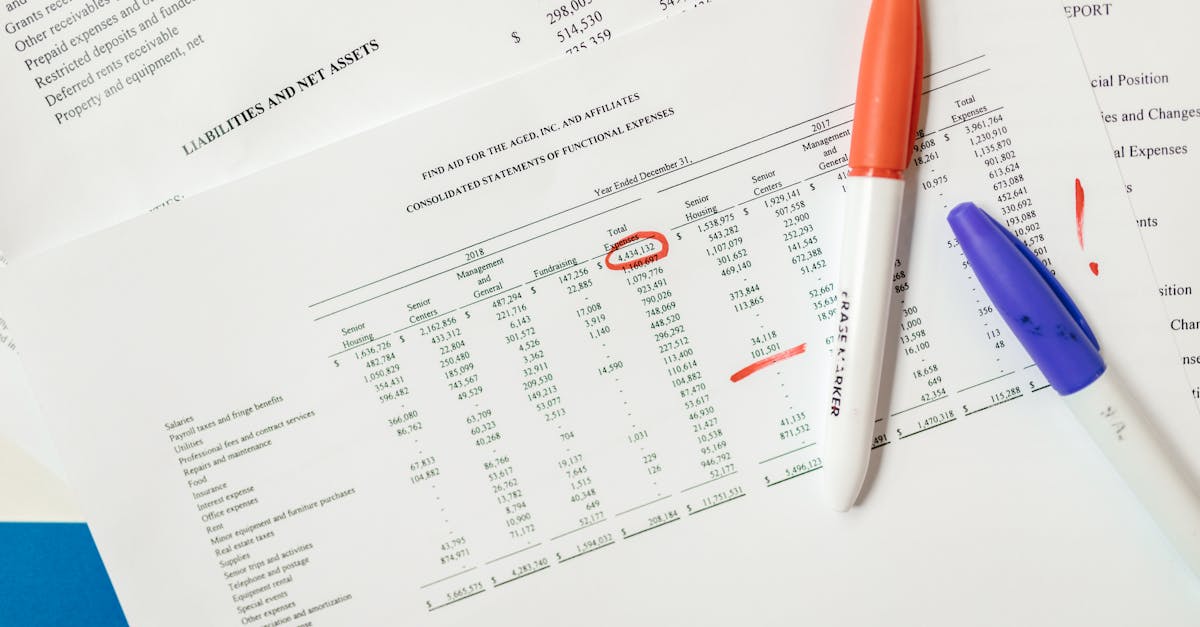
Current Situation and Latest Available Data
As of the latest data available, the United States is facing a significant budget deficit. According to the Congressional Budget Office (CBO), the deficit is expected to exceed $1.4 trillion for the fiscal year. This represents about 5.5% of the Gross Domestic Product (GDP), showcasing the ongoing challenges in balancing government spending with revenues.
The data from the Bureau of Economic Analysis (BEA) indicates that federal revenues are not keeping pace with expenditures, largely attributed to increased government spending on health care, social security, and defense. In Fiscal Year 2023, the federal government spent approximately $6.3 trillion while only bringing in around $4.9 trillion in revenues.
Recent Trends and Developments
The U.S. budget deficit has shown an increasing trend in recent years. During the COVID-19 pandemic, massive fiscal stimulus packages were implemented to bolster the economy, leading to a spike in the deficit. Although the economy has begun to recover, the structural issues that contributed to the rising deficit remain.
Additionally, recent monetary policy actions by the Federal Reserve, including adjustments to interest rates to combat inflation, have complicated the budgetary landscape. Higher interest rates increase government borrowing costs, potentially widening the deficit further in the years to come.
Recent Legislative Changes
In response to growing concerns about the deficit, Congress has been exploring various measures to enhance revenue, including discussions around tax reforms and closing loopholes. However, partisan divides have made it difficult to pass comprehensive legislation aimed at reducing the budget deficit.
International Comparison
When compared to other advanced economies, the U.S. budget deficit stands out. According to Organization for Economic Cooperation and Development (OECD) data, the average budget deficit among OECD countries as a percentage of GDP is around 3%. The U.S. figure is significantly higher, indicating a more aggressive fiscal position.
Countries like Germany and Canada maintain budget surpluses or significantly lower deficits, which presents a stark contrast to the U.S. situation. This raises questions about fiscal sustainability and the long-term economic growth of the United States compared to these countries.
Insights from the Data
The Bureau of Labor Statistics (BLS) data emphasizes the implications of a growing budget deficit for employment and inflation. Increased government borrowing could lead to higher interest rates, which in turn might slow down economic growth and affect job creation.
Furthermore, a persistent budget deficit could lead to potential credit downgrades, making borrowing more expensive for both the government and citizens.
Practical Implications for Citizens
The growing budget deficit has real-world implications for everyday citizens. As the government borrows more, it diverts resources away from essential services, potentially leading to cuts in programs such as education and infrastructure.
Moreover, if taxes must increase or essential services are reduced to mitigate the deficit, households could feel the pinch. There could also be inflationary pressures resulting from increased government spending without corresponding revenue, directly impacting the cost of living.
Ultimately, the budget deficit represents a complex interplay of government spending, revenue generation, and economic policies, with profound implications for the financial well-being of U.S. citizens.