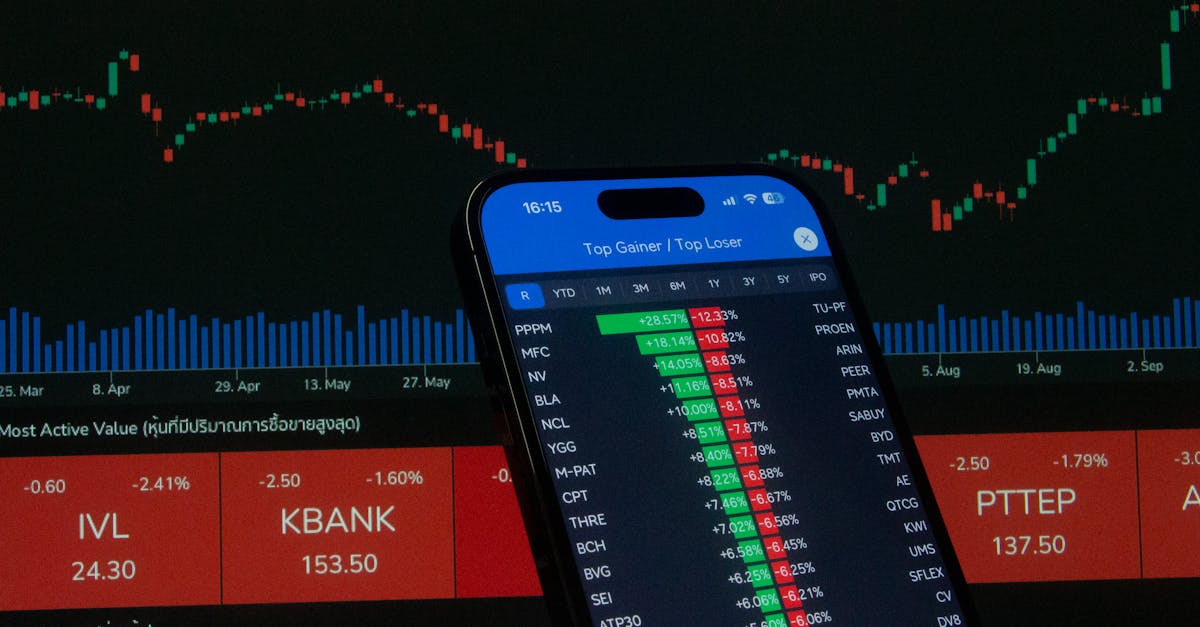
Current Situation of the U.S. Stock Market
As of early 2026, the stock market in the United States is navigating a complex landscape shaped by various economic indicators. Market indices have shown resilience despite recent inflation rates reported at 2.4% by the Bureau of Labor Statistics (BLS). This relatively stable inflation suggests a controlled economic environment, which often supports investor confidence.
In the backdrop of this stability, the Federal Reserve’s interest rate stands at 3.64%, indicating a moderate tightening of monetary policy aimed at curbing inflation without stifling growth. This interest rate affects borrowing costs, influencing consumer spending and business investments, both crucial factors for stock market performance.
Recent Trends and Developments
Recent months have seen a mixed performance in U.S. equities, driven by factors such as corporate earnings, geopolitical tensions, and monetary policy adjustments. The technology sector continues to be a predominant force, with many companies reporting stronger-than-expected earnings, which tends to buoy broader market sentiment.
Additionally, investor interest in sustainable and environmentally responsible companies has surged, reflecting a growing trend towards socially responsible investing (SRI). Indexes tracking Environmental, Social, and Governance (ESG) criteria have seen significant inflows, further diversifying market participants and influencing stock valuations.
International Comparisons
When compared to other global markets, the U.S. stock market remains a leader in size and liquidity. According to data from the World Bank, the market capitalization of U.S. equities comprised about 41% of the global total as of early 2026. In contrast, the European Union’s market capitalization stood at approximately 20%, highlighting the significant role the U.S. plays in global financial markets.
Emerging markets, such as those in Asia and Latin America, are experiencing rapid growth but remain more volatile. The Chinese stock market, for instance, has faced regulatory scrutiny that has shaken investor confidence, contrasting sharply with the relatively stable and transparent environment in the U.S.
Insights from Economic Data
Data from the Bureau of Economic Analysis (BEA) and the BLS shed light on the implications of current economic performance on the stock market. With an unemployment rate of 4.4%, the labor market remains robust, suggesting that consumer spending will continue to drive corporate earnings. Healthy employment figures generally correlate with positive market sentiment, as higher employment leads to increased consumer confidence and spending capacity.
Furthermore, with inflation holding steady, the Federal Reserve’s monetary policy can focus on sustaining economic growth, which bodes well for stock markets. If inflation remains stable or decreases, interest rates may also be adjusted downwards, potentially leading to a further rally in equities.
Practical Implications for Citizens
For the average American, developments in the stock market are crucial, as they often reflect the overall health of the economy. A growing stock market typically correlates with increased employment, higher wages, and an uptick in consumer confidence. This resilience can provide citizens with opportunities for investing, either through retirement accounts or individual stock purchases.
Moreover, as citizens engage with their finances, understanding market trends can help them make informed decisions about savings, investment portfolios, and retirement planning. As always, diversification remains a key strategy in navigating market fluctuations.
Ultimately, the U.S. stock market’s ability to adapt to economic indicators such as inflation and interest rates will influence both its trajectory and the financial futures of its participants.