The Hennessey Family’s Investment Strides
Every Saturday morning, the Hennesseys gather around their kitchen table, dim sunlight streaming through the window as they plan their week ahead. Recently, they’ve added a new weekly ritual — reviewing the stock market together. With two kids in college, Mike and Jenna have been eyeing investments, hoping to secure a financial cushion that would help with tuition and living expenses. What started as a casual exploration of stocks and bonds has transformed into a deeper understanding of how the economic pulse of the nation impacts their decisions.
A Bright Spot Amid Market Fluctuations
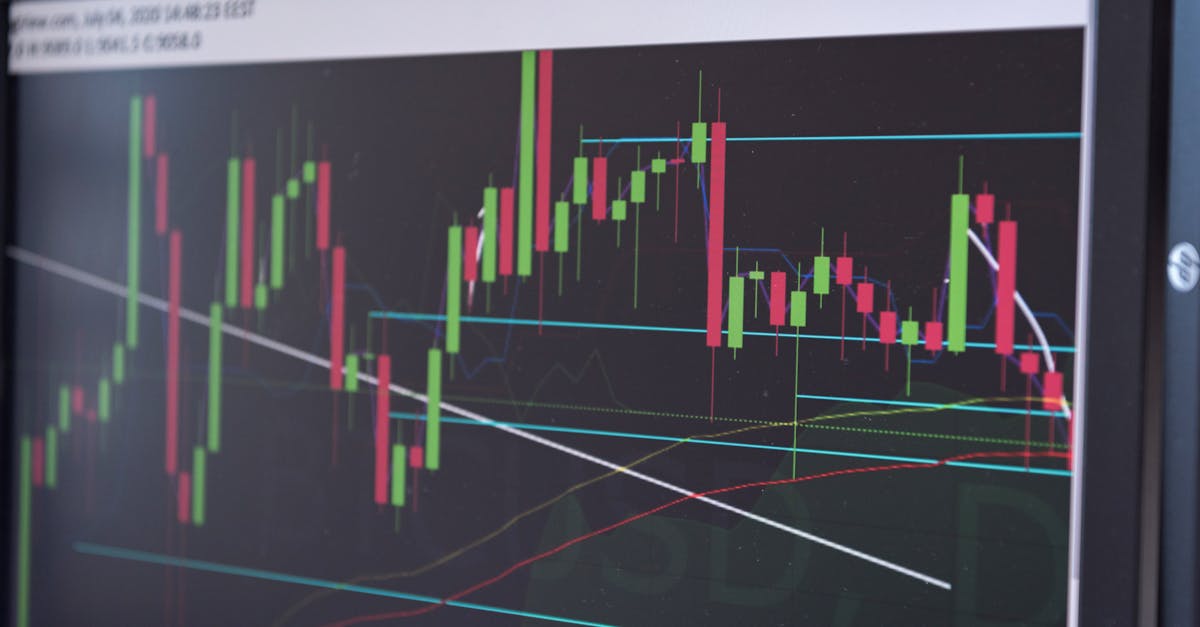
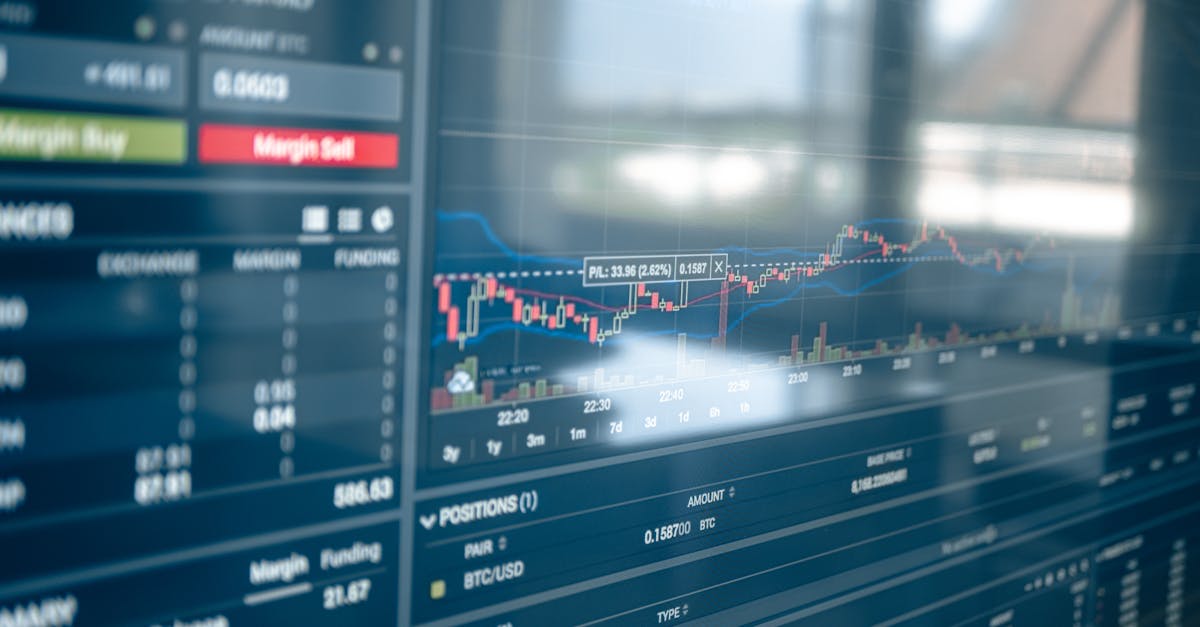
As the Hennesseys dive into the details, they can’t help but notice how the Dow Jones Industrial Average has been a rollercoaster ride, recently stabilizing around a closing value reflecting bullish sentiment, even as inflation has settled at 2.4%. This means that while prices are relatively steadier, the purchasing power they once enjoyed is just starting to peek through the haze. For the family, each percentage indicates the health of their investments — money put into a diversified portfolio doesn’t just grow; it reflects the broader economy’s progress.
In comparison, the S&P 500’s performance—representing different industries from technology to healthcare—brings new avenues for thought. Ten-year Treasury yields linger at 3.64%, suggesting that investments into stocks might yield greater returns than bonds. With every passing week, as Mike, a high school teacher, explains how opportunities can arise from the Fed’s monetary policy shifts, Jenna, who works at a local hospital, jots down notes. This interconnectedness of policy and personal finance intrigues them both, offering a lesson in strategic patience.
Understanding the Bottlenecks
However, it isn’t all sunshine. Jenna recalls missing out on a few hot tech stocks due to the fear of rising interest rates. At 3.64%, borrowing costs are crimping both business expansion and consumer spending. This reality hits harder when they draw connections to their own financial strategies. They’ve learned that tightening monetary policy can mean a slowdown in stock market growth. Imagine that every percentage point of interest acts like a damper on their plans — it affects everything from student loan repayments to potential fund expansions for Mike’s educational resources.
On the other hand, the current unemployment rate sits at a stable 4.3%. The efficiency of the labor market offers some reassurance amid uncertainties. The Hennesseys discuss how job growth can stimulate spending, feeding back into stock market vigor. This interconnected loop provides them with a real-time glimpse of economic dynamics, where a single number can influence how they perceive risk versus reward.
Looking Back and Forward
As they wrap up their meeting around the table, Mike reflects on the insights gained. The stock market isn’t just a collection of numbers; it’s intertwined with the very fabric of their lives as parents preparing to send their kids into higher education. They find themselves pondering the future: should they invest more aggressively, or is it time to secure their earnings given the fluctuating interest rates?
Once they feared the overwhelming complexity of financial markets, now they revel in the nuances, realizing that their choices contribute to a larger story of economic resilience. Each week over pancakes, they sketch out their investment map, reminding themselves that informed decisions can build a stronger financial future not just for them, but also for their children.
Just as the stock market ebbs and flows, so does the Hennessey family’s understanding of their place within this landscape. They learned that financial literacy is not just about numbers; it’s about navigating the unpredictable while relying on diligent research and thoughtful planning — their very own family project in the economy’s grand design.