The Dilemma of the Johnson Family
On a crisp Tuesday morning, the Johnson family sits around their breakfast table, staring at their monthly budget with a mix of anxiety and hope. Sarah, a senior marketing manager, has recently landed a promotion, while her husband, Mike, a small business owner, faces the pressures of rising costs and unpredictable economic shifts. Their two children, ages seven and eleven, are oblivious to the ebb and flow of the stock market, yet they are intricately linked to its fate through their parents’ investments and their cozy home in the suburbs—all both products of this complex economic landscape.
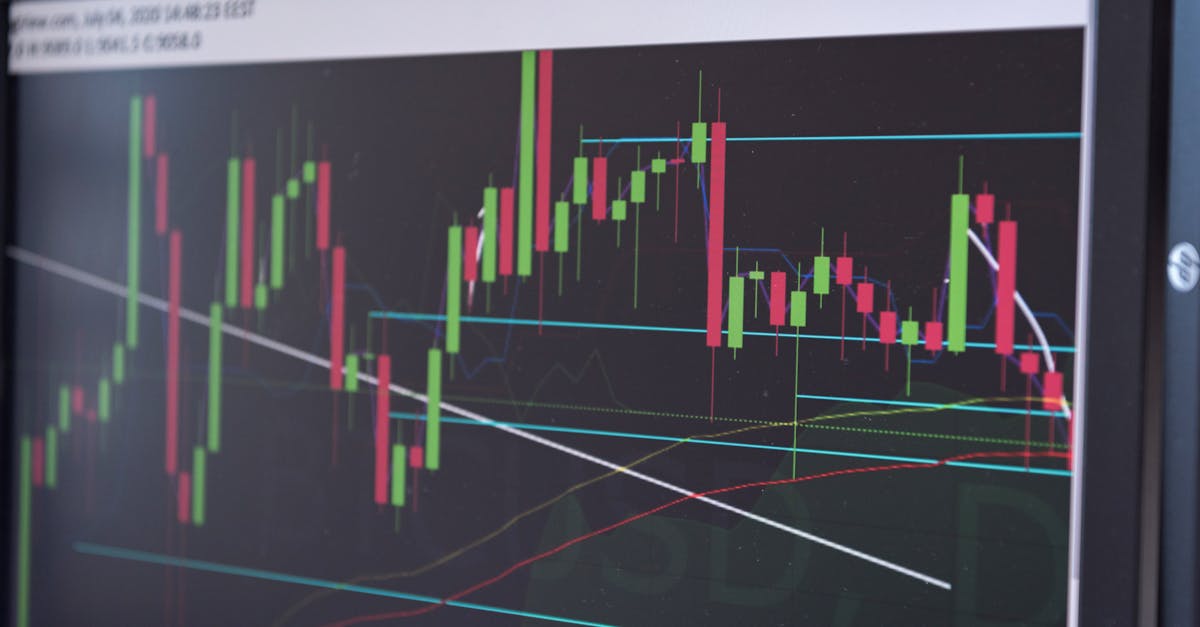
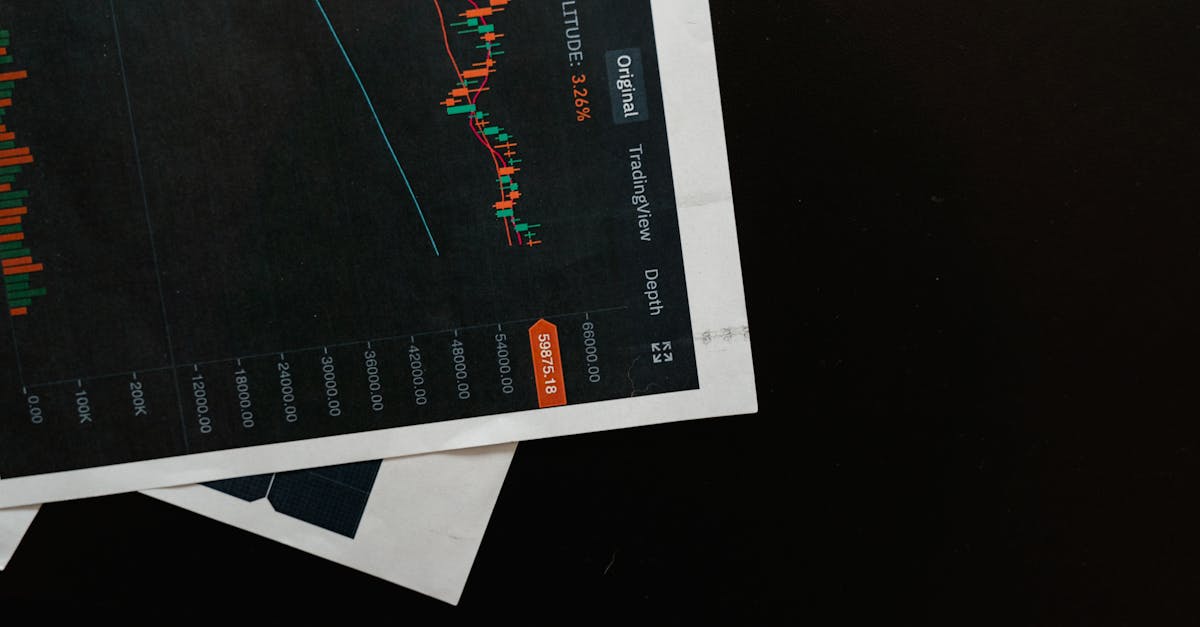
As the family discusses their upcoming vacation plans, Mike mentions that they need to keep a close eye on his business’s performance. After all, a recent look at their investment portfolio reveals mixed signals from the market. The S&P 500 has been showing signs of volatility lately, reflecting broader trends in the U.S. economy. For context, it’s worth mentioning that as of March 1, inflation stands at 3.3%. This means that while wages might be increasing, household purchasing power can still feel squeezed, especially on necessities like groceries—where prices have surged.
A Vicious Cycle
As Sarah pulls out her phone to check the latest market news, she comes across the fact that interest rates are currently set at 3.64%. This figure, a product of the Federal Reserve’s attempts to balance inflation and stimulate growth, has implications for the Johnsons’ mortgage and any potential loans Mike might consider for expansion. Imagine trying to bake a cake with spoiled ingredients; you might get something resembling dessert, but it’s far from appetizing. In the current environment, businesses like Mike’s face a similar plight. Expanding with high-interest loans isn’t ideal when profit margins are already being squeezed by inflation.
For the uninitiated, 4.3% unemployment may sound manageable—it’s certainly lower than rates observed during earlier economic downturns. But to Mike, it means competition for labor is fierce, and he may need to raise wages to retain his staff, thus further tightening his profit margins. The economic narrative Kevin sees through the lens of this unemployment rate is one of a precarious balancing act; too many costs could sink his business.
The Ripple Effect of the Stock Market
Meanwhile, Sarah looks toward her retirement account with a blend of hope and concern. The stock market, which had once seemed like a bounty of future security, now feels more like a roller coaster ride complete with unexpected dips. When stock prices are volatile, it triggers shifts in investment behavior: families like the Johnsons might hesitate to invest further, choosing instead to keep their money parked in safer assets. It’s a cautious response to market uncertainty: a defensive posture rooted in a desire for security.
As the Johnson family’s monthly budget reflects these complex emotions, the narrative intertwines with the national conversation about stock market development. The market’s fluctuations are not just numbers on a screen; for families, they resonate through their choices, aspirations, and livelihood. Just as Sarah contemplates an investment in a brighter financial future, Mike’s decisions for his business rest heavily on the volatile dynamics of the broader economic landscape.
Full Circle: Dreams and Decisions
Back at the breakfast table, the family agrees to postpone elaborate vacation plans in favor of more practical spending, aligning their dreams with the realities dictated by economic conditions. They weigh the necessity of savings against the allure of immediate gratification—a quintessential tug-of-war reflective of millions of American households navigating the currents of today’s economic climate.
In this interconnected tale, one family’s story echoes the larger narrative of stock market development: a balancing act of inflation, interest rates, and employment that ultimately shapes futures and dreams, one decision at a time.