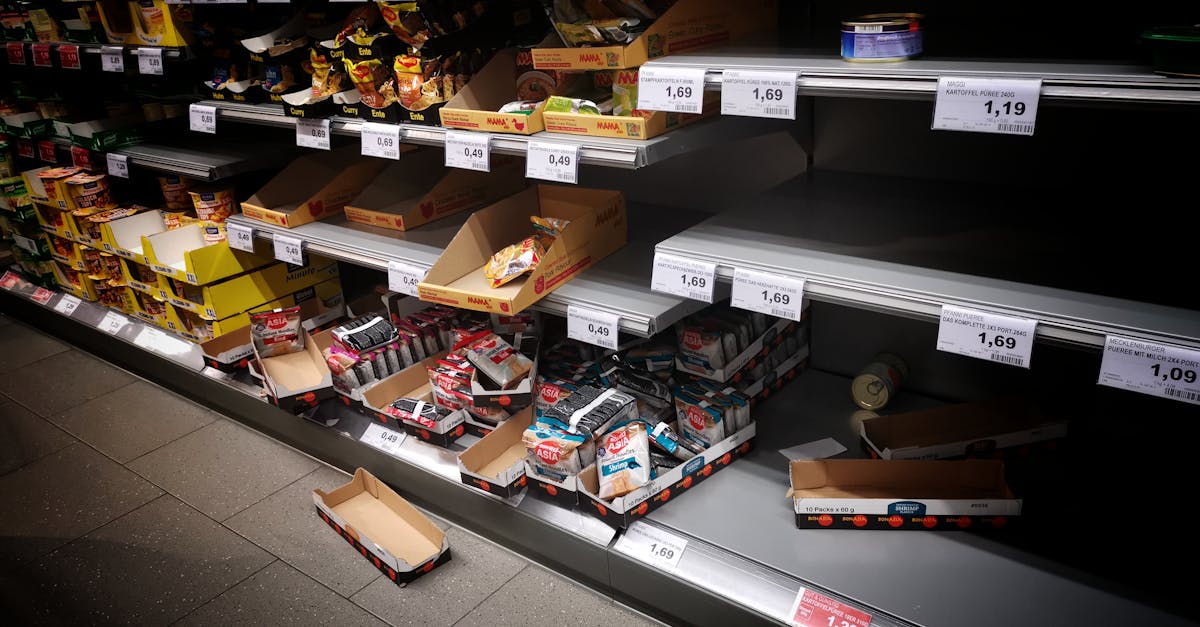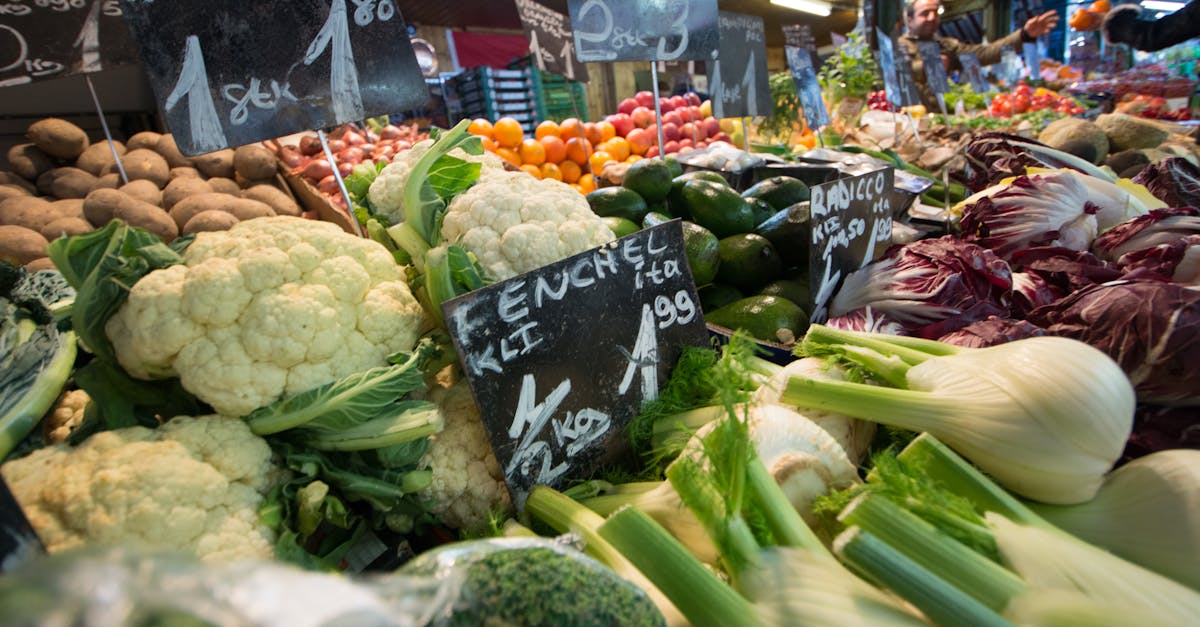
Current Inflation Rates and Consumer Prices
As of February 2026, the inflation rate in the United States stands at 2.4% according to the Bureau of Labor Statistics (BLS). This marks a relatively stable phase for the economy compared to previous periods that saw significantly higher inflation levels, which peaked above 8% in 2022. The Consumer Price Index (CPI), a key indicator used to gauge inflation, reflects the prices paid by consumers for goods and services, dominantly impacting everyday financial decisions.
Recent Trends and Developments
Over the last couple of years, inflation has shown signs of moderation. After battling elevated levels largely driven by supply chain disruptions, post-pandemic spending booms, and geopolitical tensions, the economy appears to be transitioning. The Federal Reserve has raised interest rates to combat inflation and sustain economic growth.
For several months leading up to February 2026, the inflation rate has shown a slight downward trend from higher levels recorded in late 2024. The Fed’s aggressive monetary policy, focusing on the gradual increase of interest rates, has played a part in cooling off consumer demand. Additionally, improvements in supply chain efficiencies have alleviated some of the price pressures.
Comparison with Other Countries
When compared globally, the inflation rate in the United States is relatively moderate. For example, as of early 2026, Eurozone countries collectively experience inflation rates around 6%, driven primarily by high energy prices and geopolitical challenges. Additionally, emerging economies often report inflation rates soaring over 10% due to various local and global pressures.
This international comparison highlights the effectiveness of the Fed’s monetary policy in stabilizing prices within the U.S., even though different countries face unique challenges that influence their inflation rates.
Insights from Economic Data
Data from the Bureau of Economic Analysis (BEA) indicates that consumption expenditures have also shown resilience. Real personal consumption expenditures increased in recent quarters, demonstrating ongoing consumer confidence despite rising prices. This uptick is essential for sustained economic growth, showing that consumers are adapting to and navigating through inflationary pressures.
The BLS reports that food and energy prices contribute significantly to the overall inflation picture. Food prices, for instance, have risen at a pace of 3.6%, while energy prices have seen a moderate 2.9% increase. On the other hand, sectors such as housing have shown more stability, indicating potential for a more balanced inflationary environment moving forward.
Practical Implications for Citizens
For U.S. citizens, a stable inflation rate of 2.4% signals a relatively healthy economic condition, especially compared to the higher volatility experienced previously. However, consumers must remain cognizant of the continued fluctuations in specific sectors like food and utilities that can impact household budgets. Individuals may want to consider adjusting their spending habits or savings strategies based on inflation expectations and economic forecasts.
Budgeting for essentials and planning for potential price increases in select categories can help households mitigate the effects of inflation on their finances. In addition, continuing to monitor economic indicators will empower consumers to make informed decisions in an ever-changing economic landscape.
Overall, understanding the inflation rate and its implications allows citizens to better navigate their financial future, fostering a sense of control and preparedness in the face of evolving economic challenges.