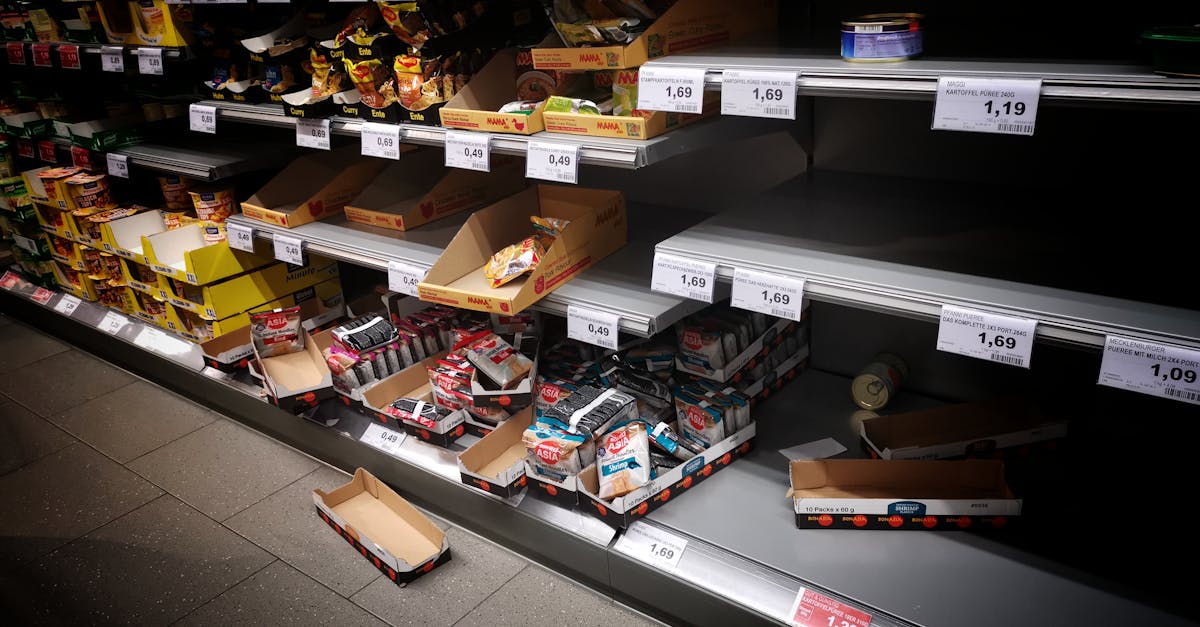
Current Situation of Inflation and Consumer Prices
As of February 1, the Bureau of Labor Statistics reported that inflation in the United States stands at 2.4%. This figure reflects the annual percentage change in the Consumer Price Index (CPI), which measures the average change over time in the prices paid by urban consumers for a market basket of consumer goods and services. A 2.4% inflation rate indicates a moderate increase in consumer prices compared to recent historical norms, with the economy showing signs of stabilization following a period of volatility.
Recent Trends and Developments
In the past few years, inflation has experienced significant fluctuations. After peaking during the pandemic recovery phase due to supply chain disruptions and high consumer demand, the inflation rate has gradually trended downwards. For instance, prices for energy and food, which often see higher volatility, have begun to stabilize, contributing to the overall moderation of inflation. Economic policies, including adjustments to interest rates by the Federal Reserve, have played a critical role in this transition, aiming to prevent the economy from slipping into higher inflation territory while fostering growth.
Key Drivers of Inflation
Several factors influence inflation rates, including:
- Supply Chain Issues: Continued disruptions affecting the availability of goods.
- Energy Prices: Fluctuations in oil and gas prices can have significant knock-on effects on broader consumer prices.
- Wage Growth and Employment Levels: As wages increase to meet labor demands, businesses may pass on costs to consumers.
- Monetary Policy: The Fed’s decisions around interest rates directly affect borrowing costs and consumer spending.
Comparison with Other Countries
When comparing the United States to other nations, 2.4% inflation appears moderate, especially against countries experiencing hyperinflation or significantly higher rates. For example, as of early 2026, the inflation rate in the Eurozone has hovered around 6%, while some emerging economies have recorded double-digit inflation figures. This comparison underscores the relative stability of the U.S. economy, largely attributed to timely monetary interventions and fiscal strategies.
Data Insights from BEA and BLS
The Bureau of Economic Analysis and Bureau of Labor Statistics provide comprehensive data on consumer spending and price changes. The core inflation rate, which excludes volatile food and energy prices, remains a crucial indicator, providing insights into price trends that can affect long-term economic planning. Current data indicates that costs for services have increased moderately while goods-related prices have stabilized.
Practical Implications for Citizens
For the everyday American, a 2.4% inflation rate has practical implications in terms of budgeting and spending. Here are some key takeaways:
- Cost of Living Adjustments: As prices rise, consumers may need to adjust their budgets; salaries, if not adjusted accordingly, may erode purchasing power
- Interest Rates: Changes in inflation influence the Fed’s interest rate policies, which can affect mortgage rates, loans, and savings account returns.
- Consumer Behavior: Understanding inflation trends can help consumers make informed decisions about spending, savings, and investments.
In conclusion, while the current inflation rate of 2.4% signals a more stable economic landscape, the continuous monitoring of consumer prices and related economic indicators is vital for both policymakers and citizens. Staying informed allows individuals to make better financial decisions in an ever-evolving economic environment.