Current Situation and Latest Data
As of early 2026, the U.S. economy is experiencing a moderate inflation rate of 2.4%, according to the Bureau of Labor Statistics (BLS). Meanwhile, the unemployment rate stands at 4.4%, suggesting a stable labor market. Notably, the Federal Reserve’s interest rate is at 3.64%, which influences the strength of the U.S. dollar against other currencies.
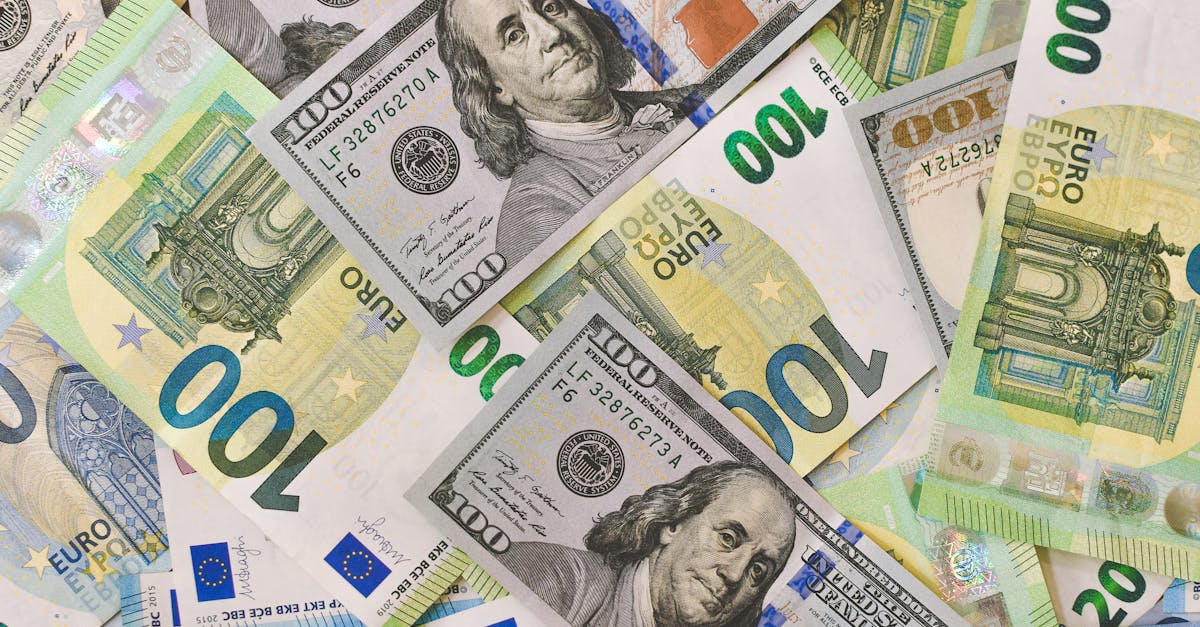
The exchange rate, or the value of one currency in relation to another, plays a crucial role in international trade, investment, and overall economic health. For instance, a stronger U.S. dollar means that American goods become more expensive for foreign buyers, potentially reducing exports. Conversely, a weaker dollar makes imports more costly and can lead to increased inflation.
Recent Trends and Developments
In recent months, the U.S. dollar has shown fluctuations against major currencies, such as the Euro and the Japanese Yen. In response to varying economic indicators and monetary policy shifts, the exchange rates have been volatile. Analysts noted that the dollar has strengthened against the Euro as Eurozone economies recovered more slowly from pandemic-era disruptions.
A key trend has been the tightening of monetary policy by the Federal Reserve in an effort to combat inflation. Higher interest rates often attract foreign investment, increasing demand for the dollar, which can strengthen its value. The current interest rate of 3.64% reflects the Fed’s ongoing efforts to manage inflation and maintain economic stability.
Comparison to Other Countries
When contrasting the U.S. dollar with other currencies, notable disparities emerge. For example, the Euro has experienced challenges related to geopolitical issues and economic uncertainty within the Eurozone, causing its value to dip against the dollar. In addition, emerging market currencies have often faced depreciation against the strong U.S. dollar, highlighting the dollar’s position as a global reserve currency during times of uncertainty.
According to the BEA, exchange rates significantly impact the trade balance. A strong dollar can lead to a trade deficit as imports outpace exports, a critical aspect of evaluating a nation’s economic health. These exchange rate movements also make U.S. investments abroad less valuable upon repatriation, affecting the overall capital flow in and out of the country.
Data Insights from the BEA and BLS
The Bureau of Economic Analysis (BEA) supports these findings by illustrating how exchange rates influence gross domestic product (GDP) and trade. The BEA reported changes in the real GDP attributed to exchange rate movements, particularly in sectors reliant on exports.
Conversely, BLS data on employment and inflation offers insight into domestic economic conditions that influence the exchange rate. The current 4.4% unemployment rate, though relatively stable, indicates a need for robust job growth, which can be impacted by fluctuations in the trade balance driven by exchange rates.
Practical Implications for Citizens
The exchange rate has significant practical implications for everyday citizens. A stronger dollar can lower prices for imported goods—such as electronics and automobiles—but may hurt domestic producers reliant on exports. Conversely, if the dollar weakens, consumers might find themselves paying more for imported items, which can contribute to rising inflation, currently at 2.4%.
For those planning to travel abroad, understanding exchange rates can lead to substantial savings or increased costs, depending on the strength of the dollar relative to the local currencies. Furthermore, for investors, exchange rate changes can influence portfolio values, especially for those holding foreign stocks or assets. In summary, the state of the exchange rate is not just an economic indicator; it has real-life implications for the financial well-being of everyday Americans.