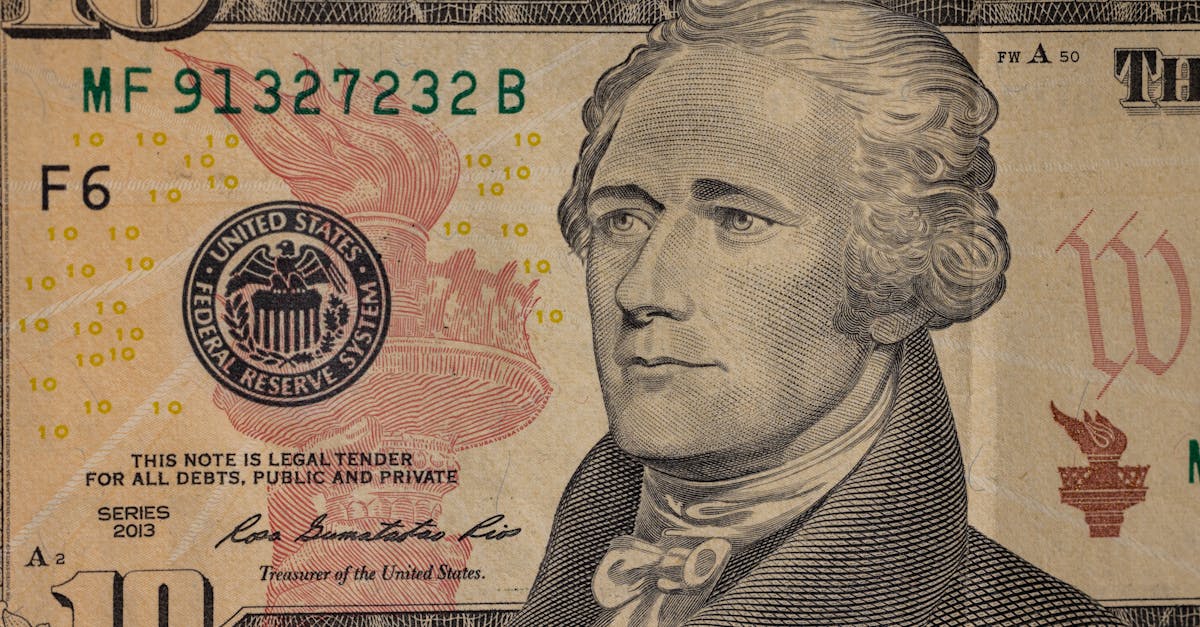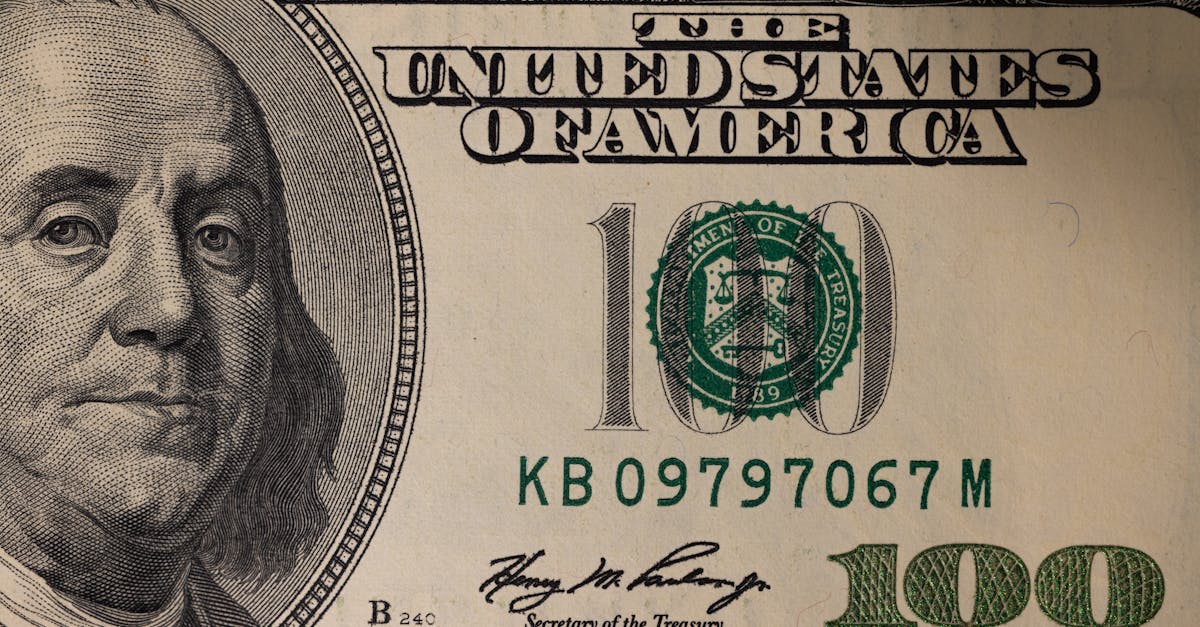
Amidst fluctuating economic conditions, a staggering 3.8% inflation rate has gripped households across the United States, eroding purchasing power and reshaping spending behaviors. This figure, reported by the Bureau of Labor Statistics, signifies a persistent challenge that policymakers are grappling with as they steer monetary policy toward stabilization.
Monetary policy is primarily orchestrated by the Federal Reserve, which recently set interest rates at 3.64%. This elevation in the benchmark rate is one of the primary tools employed to combat inflationary pressures. While such increments are critical for tempering demand within the economy, they come with substantial implications for consumers, who may now face heightened borrowing costs for mortgages, auto loans, and credit cards.
The broader implications of the Fed’s monetary maneuvers play out vividly in various sectors. For instance, the housing market has already shown signs of a slowdown as potential homebuyers retreat due to increased mortgage rates. In March, the average 30-year fixed mortgage rate exceeded 7%, significantly impacting home affordability and cooling an overheated market. A staggering drop of 20% in existing home sales was observed, as many families reassess their financial positions.
Corporate investment is also under scrutiny, as rising costs constrain business expansion strategies. A recent survey revealed that 35% of small business owners are hesitant to invest in growth due to the elevated cost of capital. As they scale back on spending, this could lead to a slowdown in job creation, directly impacting wage growth in a tight labor market. The Fed’s dual mandate has always emphasized employment and price stability, which a dwindling appetite for investment threatens to fracture.
Yet the impact of the Fed’s policy decisions extends well beyond Wall Street and corporate boardrooms. The average American feels these changes in daily transactions - a hike in interest affects everything from credit card payments to personal loans. Households must reconsider budgets, possibly reallocating funds from discretionary spending to cover essential expenses, leading to a ripple effect across the economy.
As the inflationary tide continues to test the resilience of consumers, questions linger about the Fed’s next moves. Will it adopt a more hawkish stance to further tighten monetary policy, or will it pivot, providing some relief to beleaguered consumers? Determining the right balance will be pivotal as the economic landscape evolves.