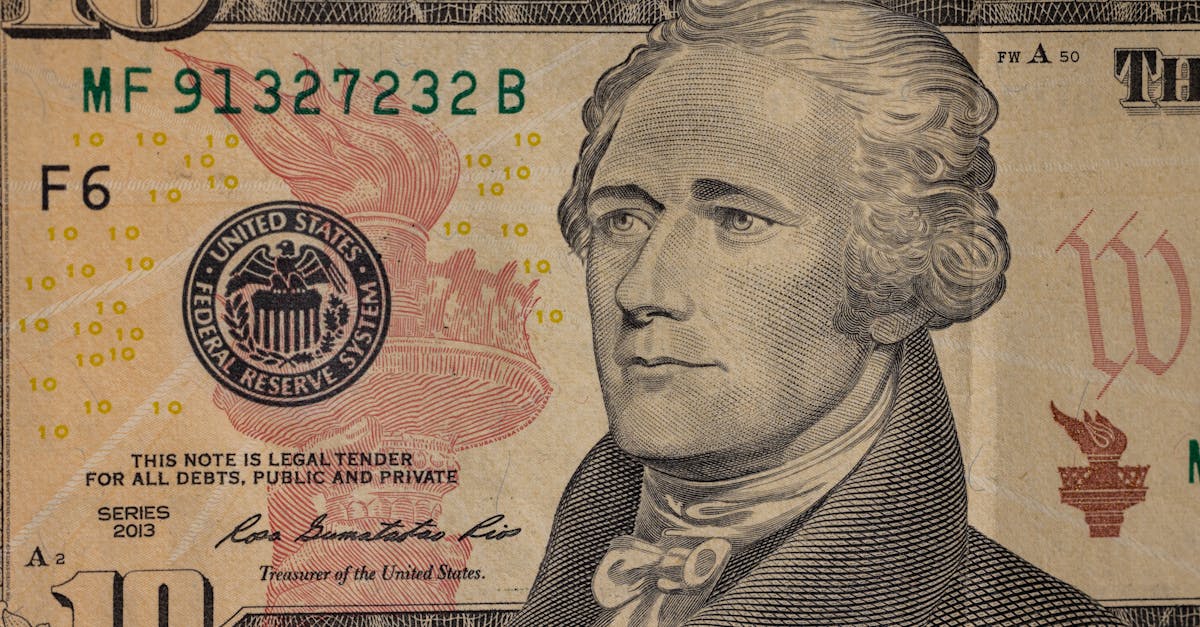
Monetary policy operates at a frequency of 3.64% as of February 1, a figure emblematic of the Federal Reserve’s tightening strategy to combat inflation, which currently sits at 2.4%. This interest rate level, an increase from the historical lows seen in previous years, signals a decisive shift in the Fed’s approach, aimed at curbing rising consumer prices and stabilizing the economy.
Peeking into broader economic implications, the Fed’s interest rate hikes are expected to touch various sectors. Higher rates typically lead to increased costs for borrowing, affecting everything from mortgages to student loans. For instance, if you’re considering purchasing a home, your mortgage could cost significantly more today than it would have a year ago, all stemming from the Fed’s latest moves.
Inflation remains a pressing concern, particularly as the cost of essentials—from groceries to gas—continues to rise. Workers are grappling with wage growth that has recently failed to keep pace with these price hikes. The Bureau of Labor Statistics reported that although wages have seen nominal increases, the purchasing power of the average American household is under pressure. With core inflation hovering at a manageable 2.4%, the stakes of maintaining price stability are higher than ever.
As we navigate these economic waters, consumer confidence is another crucial variable. Surveys reveal that as interest rates rise, households tend to cut back on discretionary spending, which can trigger a cascading effect on the economy. Businesses might face dwindling sales, leading to further hesitancy in hiring or investment, which in turn could dampen overall economic growth.
Let’s consider an average family: if they plan to finance their child’s college education through loans, the current higher interest rates mean that the overall cost of education increases as well. Every additional percentage point can translate into thousands of dollars over the life of a loan, making financial planning more complex.
This era of monetary tightening brings forth an array of challenges, but also opportunities for policymakers. The Fed must balance the challenge of inflation against the risk of stifling economic growth, becoming more pivotal as the global economic landscape shifts. Adjustments made today in interest rates not only influence immediate financial markets but also shape long-term fiscal responsibility.
When examining what’s on the horizon, upcoming Fed meetings will likely continue to draw close scrutiny, eager for signals on future monetary policy adjustments, adapting to evolving economic indicators. With prices, spending, and borrowing behavior fluctuating, Americans can only anticipate how these decisions will ripple through their lives.