A Record-Breaking Investment in R&D
American investment in research and development surged to $785 billion last year, marking a 6% increase. This investment places the U.S. at the forefront of global innovation, outpacing the next largest investor, China, which reported approximately $509 billion. Given the backdrop of rising inflation at 3.3% and an unemployment rate of 4.3%, these figures reveal a thriving commitment to fostering innovation despite economic headwinds.
Context: A Stronghold of Innovation
When compared to last year, the upward trajectory in R&D spending indicates resilience in the face of pressing economic pressures. In the previous year, the U.S. allocated about $740 billion, thereby demonstrating a remarkable prioritization of technology and innovation. This investment accounts for roughly 3.5% of GDP, a figure that exceeds the global average of around 2.5%. The U.S. leads not only in sheer spending but also in the output of patents, showcasing a diverse array of industries benefiting from R&D, from healthcare to renewable energy.
The Workforce Behind the Scenes
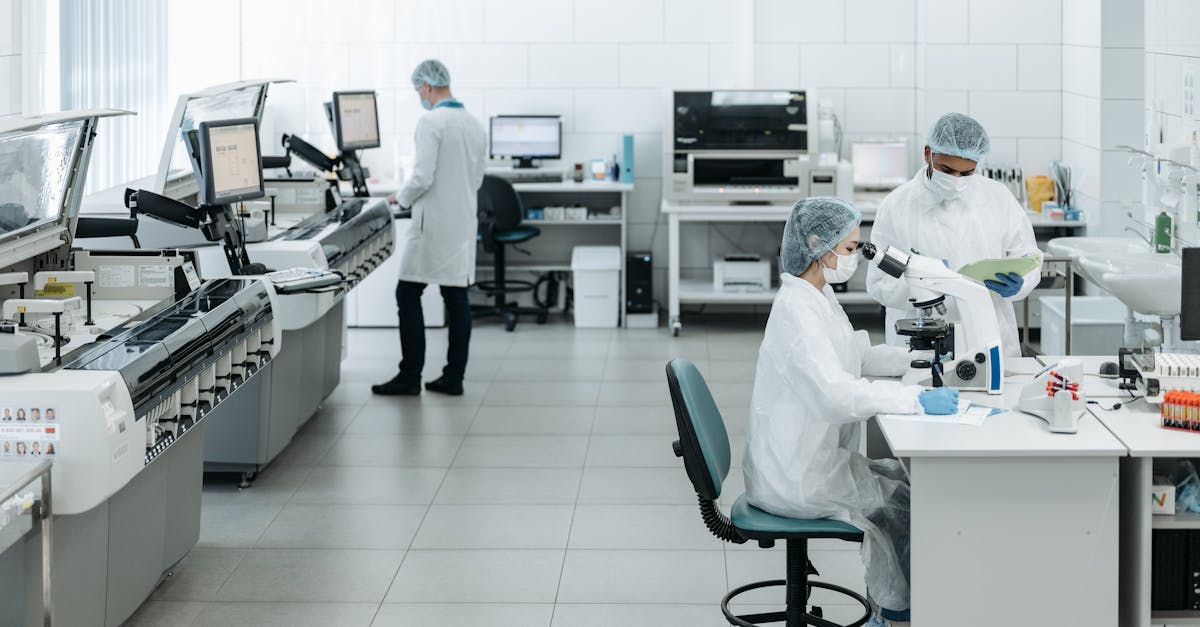
Skilled labor serves as the backbone of this innovative infrastructure. Currently, nearly 2.1 million workers in the U.S. are directly employed in R&D roles, reflecting growth in sectors such as biotechnology and artificial intelligence. Yet, the challenge looms large: the tight labor market, evidenced by the 4.3% unemployment rate, has implications for companies struggling to find specialized talent. With R&D roles typically requiring advanced degrees, the educational system is under pressure to adapt.
Economic Environment and Its Challenges
The economic landscape is complex. With prevailing interest rates at 3.64%, financing for R&D can become costlier, potentially stifling the expansion of small enterprises that often drive innovation. Startups, typically more vulnerable to financial stress, are feeling the pinch. As access to capital tightens, the dynamic between funded research and raw innovation could shift, posing questions about the sustainability of current growth rates in R&D.
Public vs. Private Sector Contributions
The landscape is not solely structured by private investment; federal funding for R&D also plays a critical role. The government has set ambitious targets, with projections indicating that $166 billion will be allocated to research initiatives this year, a significant increase from the $150 billion budget a year earlier. This public investment creates a stable environment for private actors to flourish and allows for partnerships between public institutions and private businesses, enhancing the collaborative nature essential for breakthroughs.
International Innovation Competitiveness
The global innovation race is heating up as other nations aim to catch up with U.S. spending. Countries in the European Union are making substantial investments in green technologies, hoping to carve out a niche in sustainability, a sector that is likely to dominate R&D allocations in the coming years. Japan also plans to ramp up its investment in AI and robotics, two areas where the U.S. is currently a leader. These international pressures necessitate a vigilant approach in boosting domestic innovation.
Gazing into the Future
As the U.S. forges ahead, the innovation landscape will likely be defined by greater integration of AI and machine learning into traditional sectors. The evolving economic environment, highlighted by ongoing inflationary pressures and interest rate fluctuations, will compel businesses and policymakers alike to rethink their strategies. The dynamic tension between maintaining robust R&D funding and navigating economic challenges is set to shape the American innovation narrative.
In this high-stakes arena, where survival hinges on creativity and investment, the question isn’t just about how much we spend on research but how effectively we harness that potential. The future beckons a new chapter in American ingenuity.