Investment in Innovation Surges Amid Increased Competition
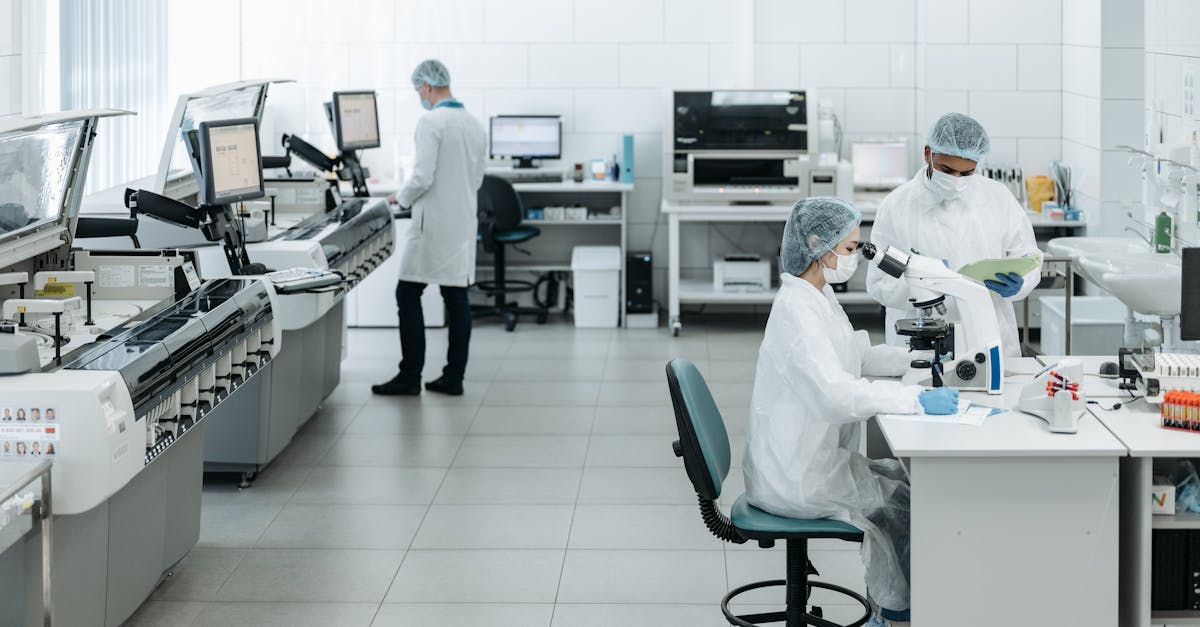
Research and development (R&D) expenditure in the United States hit $700 billion last year, marking a 7% increase from the previous year. This surge reflects a broader strategy to bolster domestic innovation as geopolitical tensions rise and competition intensifies globally. With nations such as China investing aggressively in technology, America’s focus on R&D could be its best shield in a rapidly changing economic landscape.
Relative Bargains
When set against GDP, U.S. R&D expenditures now sit at approximately 3.4%, a competitive figure by international standards. In comparison, according to the Organization for Economic Cooperation and Development (OECD), European nations like Germany and France have R&D-to-GDP ratios at 3.1% and 2.2%, respectively. While the U.S. leads overall expenditure, it narrowly beats Germany, exemplifying its commitment to technological supremacy.
Scaling Up Through Collaboration
The emphasis on innovation in the U.S. isn’t just a matter of spending money; it’s also about how that money is spent. Many American firms are leveraging partnerships with universities and research institutions more than ever. Private funding accounted for approximately 67% of U.S. R&D last year, up from 65% in 2021. This collaborative ecosystem is pivotal for driving innovations, especially in sectors like biotechnology and clean energy, which are deemed critical for future growth.
Labor Market Dynamics
Simultaneously, the labor market plays a significant role in the innovation equation. With unemployment at 4.4%, tech firms face challenges in sourcing the talent necessary to push their innovations forward. The tight labor market contrasts sharply with the 7% unemployment rate prevalent during the pandemic’s peak, emphasizing the swift recovery and an increasing demand for highly skilled workers. As firms ramp up hiring in R&D sectors, the competition for top talent is set to become even fiercer.
Inflation and the Cost of Innovation
R&D investments come with their own set of economic pressures. Inflation, currently at 2.4%, although relatively moderate, affects operational costs for research-intensive sectors. While investment in technology such as artificial intelligence and renewable energy remains robust, firms must navigate rising costs in materials and labor without stifling innovation. Lower interest rates at 3.64% could help in this aspect, potentially easing borrowing costs for firms aiming to finance their R&D initiatives.
Looking Into the Crystal Ball
As the U.S. bolsters its commitment to R&D, the real question is whether this will translate to long-term technological leadership and economic resilience. The drive towards innovation will inevitably influence not just the economy but also society at large. While short-term pressures exist, America’s R&D landscape appears poised for significant evolution—like a Silicon Valley venture benefitting from a promising pitch, the stakes are high and the future looks bright.